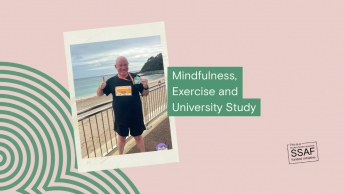


Written by Chloe Debono
Integrating mindfulness strategies into your life acts as a regulator of our sensory systems. Acts of mindfulness can be so simple; you probably don’t even realise that you’re doing them already!

Mindfulness occurs when you purposely focus your attention on the present moment, being fully aware of where we are and what we are doing. This includes focusing on your thoughts, emotions, body sensations, and your surroundings. Mindfulness strategies are great to integrate throughout your day.
Mindfulness lets us focus on our thoughts, emotions, and feelings – allowing us to acknowledge, let go, and feel.

As a university student, I find mindfulness a great way to calm myself from the stressors of university and take a break for myself. A calm mind often fosters better productivity. Mindfulness is a great way to just hit pause and take a break from external pressures.
I often find incorporating mindfulness into my day allows me to fall asleep better at night – which is extremely beneficial as a university student juggling studies, work, and a social life.

As a 4th year Occupational Therapy student, I have seen the benefits of practising mindfulness into one’s daily life. On placement I have encountered many clients where acting on mindfulness has positively impacted their life and their ability to function.

Some examples of how you can integrate mindfulness into your day include:
- Breathing strategies (box breathing, finger breathing)
- Going for a walk and taking notice of different things you can see, taste, hear, smell, and touch.
- Writing in a journal, incorporating reflection
- Listening to music
- Drawing or colouring
- Meditation
- Moving your body (exercising, going for a walk, going to the gym)
- Having a hot drink
- Going for a swim
- Watching the sunrise or sunset
You can really incorporate mindfulness into so many activities. It is about purposefully focusing your attention on the present moment.

Sometimes life is super busy, and you might not feel like you have the time to engage in mindfulness. I feel like this most of the time, but you only need to spare 10 minutes of your day to engage in mindfulness. That’s 10 minutes less of doom-scrolling, and I am sure we all have that time to give away!
Charlie blog is a SSAF initiative.