
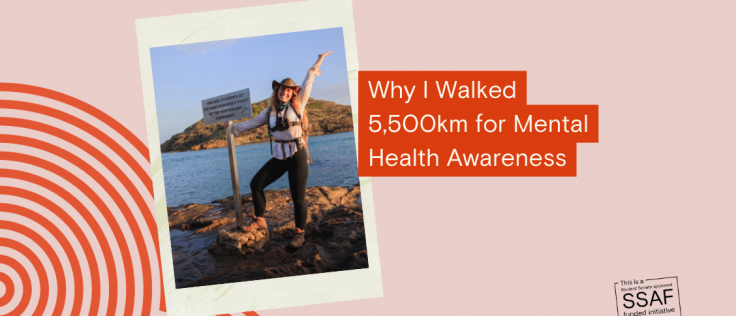
Written by Bailey Seamer
Disclaimer:
Please note that this blog discusses topics such as depression and mental health challenges, which some readers may find confronting. If you find the content difficult, support is available. You can contact Lifeline Australia on 13 11 14, contact the Charles Sturt 24/7 Student Wellbeing Support Line, or access the Charles Sturt Counselling Service.
Blog:
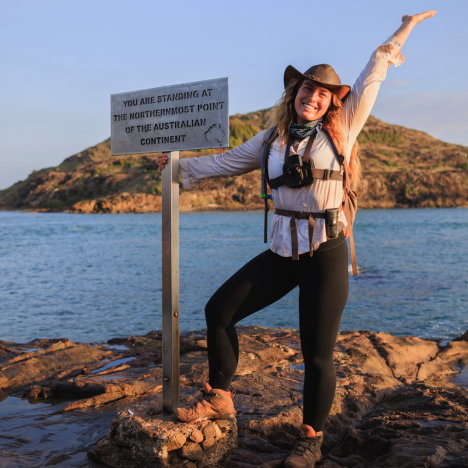
In 2022, I walked more than 5,500 kilometres down the entire East Coast of Australia as part of the Wandering Minds Project, using the journey to start conversations about mental health and fundraise for the Black Dog Institute. Along the way I met thousands of people who quietly shared their own mental health journeys, and one conversation in a small town in regional Victoria stayed with me for the duration of my 14-month hike.
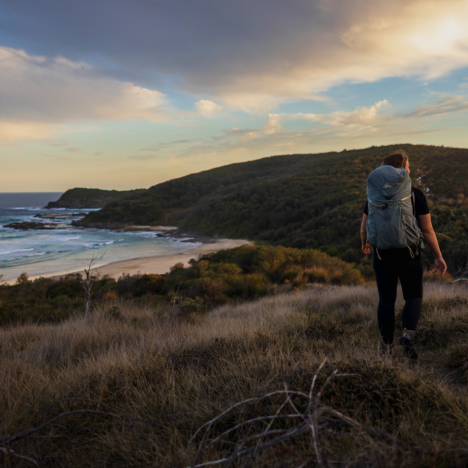
Early in my East Coast walk, I stopped in a small farming community in Victoria for a cup of tea and respite from the Victorian winter chill. It was one of those places where empty roads run past endless, stretching paddocks, and everyone seems to know everyone else. A local dairy farmer sat down with me at the table. He was the kind of man you imagine has spent a lifetime working before sunrise and finishing well after dark.
We started talking about the walk and why I was doing it. I explained that I had set out to walk the length of Australia’s east coast to start conversations about mental health. At first, he nodded politely, but after a while, something shifted. His voice softened, and he looked down at the table. He told me he had been living with depression for more than forty years, and he had never told his wife or children. As he spoke, silent tears began to run down his cheeks.
I will never forget that moment. Here was a man who had carried something so heavy for most of his life without ever letting the people closest to him see it. The farm had to keep running. The cows still needed milking every morning. Life went on. But the struggle had been there the entire time, hidden behind a strong face and a quiet sense of responsibility. Unfortunately, his story was not unique.
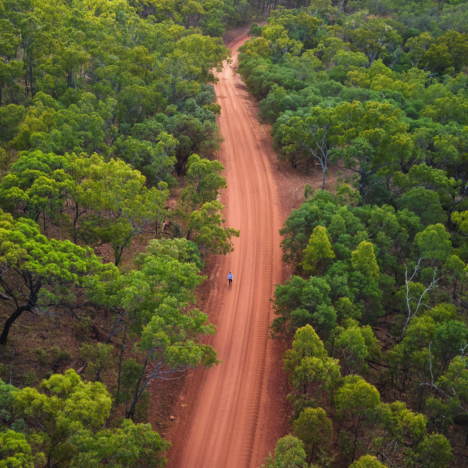
I remember meeting a couple in Mackay, QLD, who shared their story about their thirteen-year-old daughter. She was living with severe depression and chronic fatigue and was often bedbound. The nearest adolescent psychiatrist who could support her was in Brisbane, meaning they regularly had to fly hundreds of kilometres just so she could access care. They spoke about how exhausting those journeys were. Not just physically, but emotionally. When someone is already struggling so deeply, the effort required just to reach help can feel almost impossible.
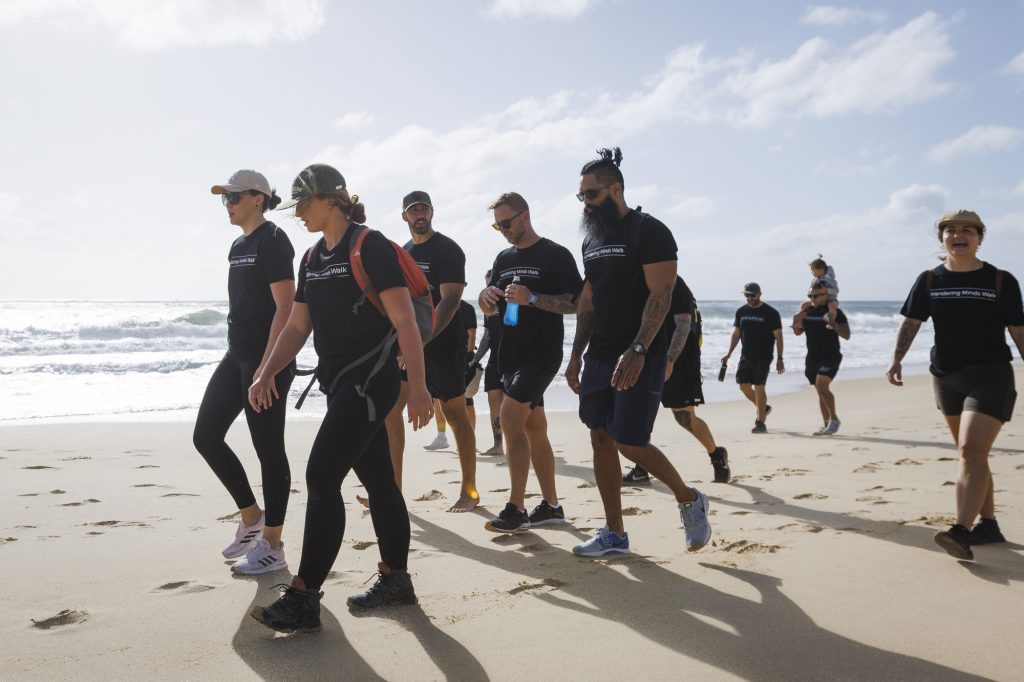
Throughout the walk, I met thousands of people, and many carried similar stories quietly beneath the surface. On my hardest days when the kilometres felt endless, and the exhaustion crept in, it was these conversations that kept me moving forward.
In regional Australia, I feel resilience is often part of the culture. People pride themselves on getting through tough seasons, whether that is drought, floods, financial stress, or isolation. But that same strength can sometimes make it harder to ask for help. There can still be a stigma around mental health, particularly among older generations who were taught to keep their struggles to themselves.
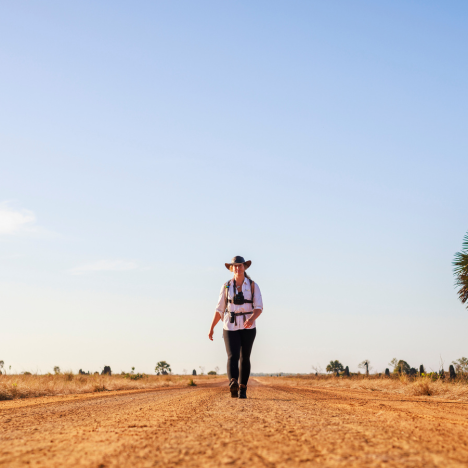
Access to support can also be limited. In many rural areas, there are fewer psychologists, counsellors, and mental health services, and travelling long distances to find help can be difficult. When you combine that with the pressure of running a farm or small business, it becomes easy for people to keep their struggles hidden. However, mental illness is not a weakness or a failure of character. It is a neurological condition often linked to chemical imbalances in the brain, just like many other medical conditions. Treatment, support, and professional care can be lifesaving, something I often thought about during the walk.
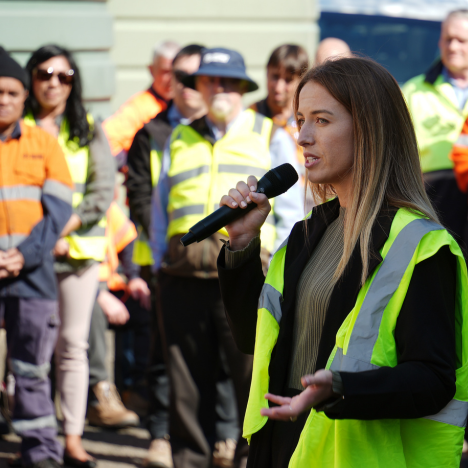
I know personally that I would not be here today without significant medical intervention and support for my own bipolar disorder. To then meet people across regional Australia who were suffering in similar ways but without access to the same level of care was incredibly confronting. It broke my heart, but it also strengthened my resolve. Because behind those struggles were some of the most remarkable people I have ever met. Regional Australia is full of what I often think of as diamonds, people who are resilient, generous, and deeply connected to their communities. Yet these same communities can also carry some of the greatest burdens when it comes to mental health support.
Those silent tears at a kitchen table were a reminder of why these conversations matter. And why we have to keep having them.
If this story brings up difficult feelings, please remember that support is available through Lifeline, the Charles Sturt 24/7 Student Wellbeing Support Line, the Charles Sturt Counselling Service. Students can also explore Study Access Plans through the Accessibility and Inclusion team if mental health challenges are impacting your studies. I have personally used both services during my degree and found them incredibly supportive and beneficial.
Charlie blog is a SSAF initiative.