

Written by Grace Whittaker
There is a misunderstanding that studying at university is all about sitting down for hours at a time, eyes strained, fingertips aching as you try your hardest to learn every ounce of content you can. Everyone’s study habits are different and what works for some doesn’t work for others. Yet there are ways around study that make it fulfilling while avoiding burn out. They also leave room for you to enjoy life outside of study. Here are a few micro habits to help you out.
Start with You
Study doesn’t happen without fuel and neither do you. Keeping active and having good eating habits extends far beyond physical health. By no means am I telling you to rule out that cheeky sweet treat. I never do. But I notice a huge change in my mental and physical wellbeing when I prioritise these things. Being active doesn’t mean you have to play sports or join the gym. A daily walk is unbelievably underrated. Or even a good dance. Pick something you love and keep your body moving. I find myself much more motivated to study when I’m enjoying life outside of it.
Study Spaces and Friendly Faces
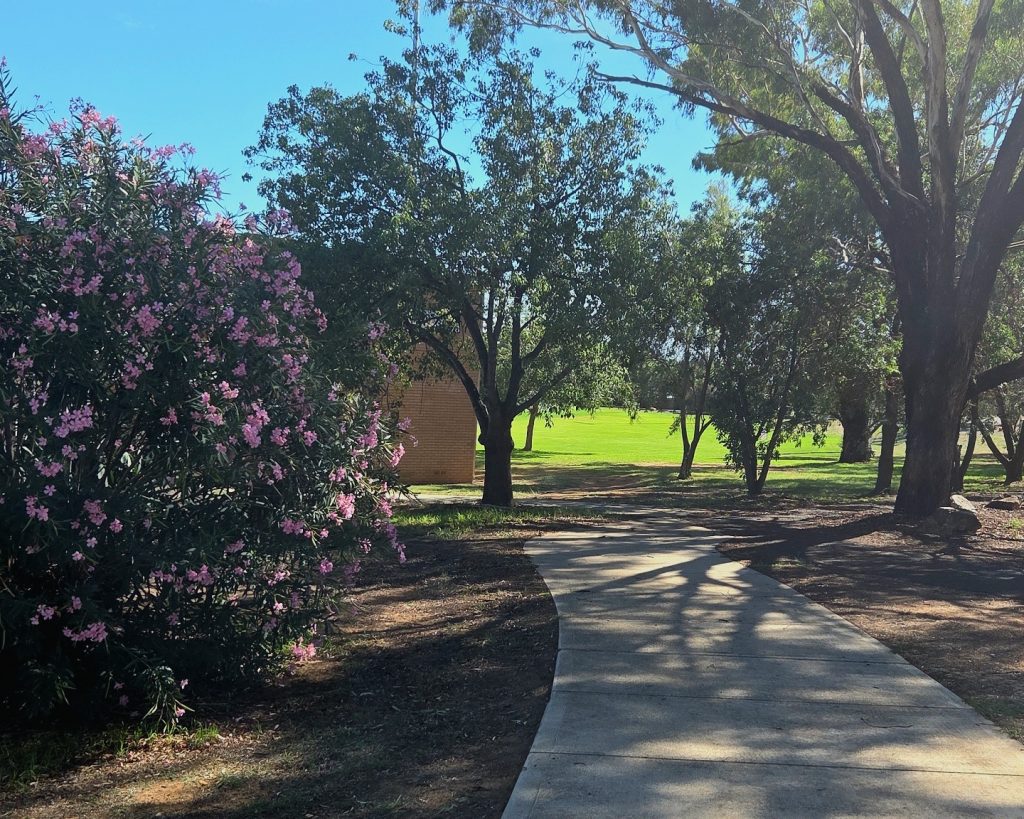
People underestimate the influence of setting. In fact, sometimes changing up your study environment can increase your productivity. If you love studying at home, try making your surroundings the perfect spot for you to exist in. Or if you’re willing to experiment, try packing up your things and heading to the local library, a cafe or even a park. You might find a new favorite spot!
A new setting could also mean new study buddies. While solo study is common for all, by combining a social aspect to academic life, you can feel more accountable to getting your work done and even find the chance for some peer feedback. Sometimes a great way of learning content is by teaching it to others. This could be a fantastic opportunity for you and your fellow peers.

Don’t Sprint, Walk in Intervals
Sometimes studying feels like a race, but that’s often because life gets busy or overwhelming and things get left until the last minute. I am extremely guilty of this. Yet the best way to stop this from recurring is to start taking steps earlier. I know that sounds easy to procrastinate. But it’s all about intervals. Instead of struggling to survive through four hours of endless study, break it up. Work for forty minutes and go on a fifteen-minute walk. Work for an hour and then read a chapter of a book. Chat with a mate, have a snack and keep hydrated. Choose a break that doesn’t involve doomscrolling. Achieving big goals very quickly gets you nowhere. However, achieving little goals consistently adds up to those big goals over time, without the burnout.

Prioritising your tasks
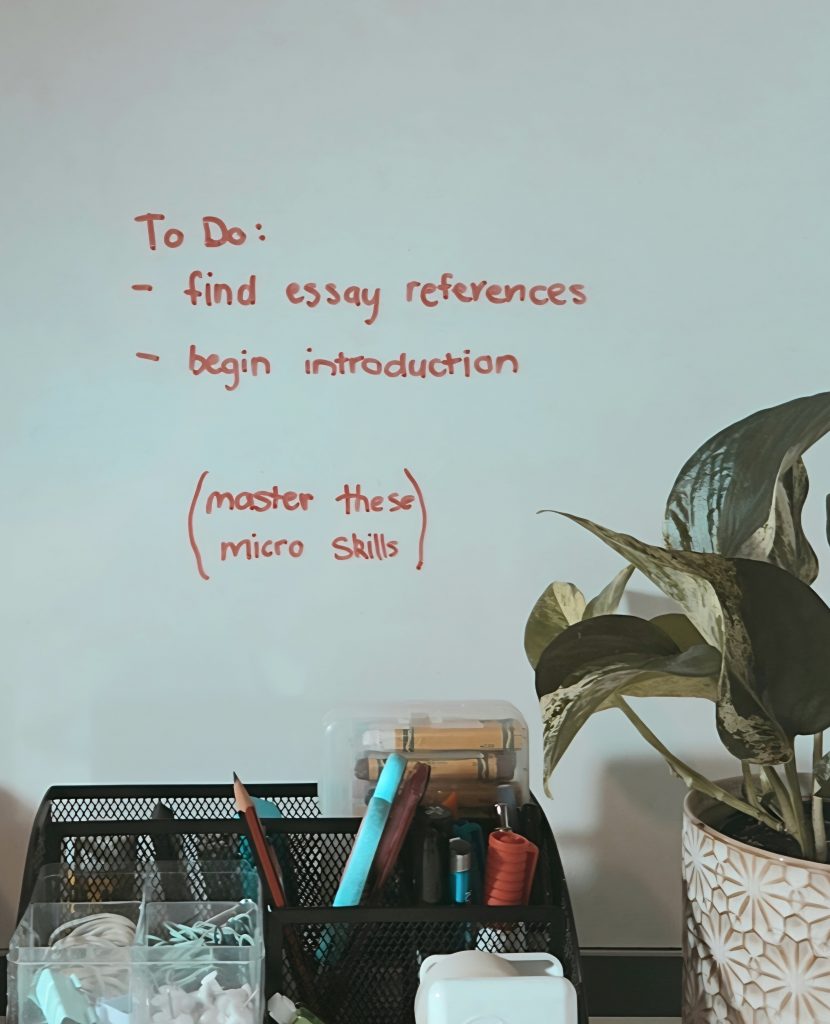
Now, I don’t know about you, but I would be completely lost without my to-do lists. I find that study becomes unorganized and unproductive without a plan of attack. I recommend starting with whatever has the closest deadline or whatever is the hardest. Make sure to make your tasks specific. For example, don’t just list ‘start my essay.’ Instead try ‘find my references for my essay and begin my introduction.’ See the difference?
The biggest thing to remember is that whether you’re struggling with study or with life, there are options available to support you.
For more useful information like this, check out the Healthy Living Resources on the Student Wellbeing page: https://www.csu.edu.au/current-students/support/personal/student-wellbeing
Counselling: https://www.csu.edu.au/current-students/support/personal/counselling
24/7 Student Wellbeing Support line: https://www.csu.edu.au/current-students/support/personal/counselling/247-student-wellbeing-support-line
Charlie blog is a SSAF initiative.