

Written by Remi Bampton
When I found out my 8-week occupational therapy placement was in a children’s hospital, I was daunted. Then I found out I was working within an oncology caseload, and I was terrified.
I had no idea what to expect or what I was in for but here I am 8 weeks later having learnt so much, grown my confidence and my independence and loved the experience. So, if you have a placement coming up and your scared or unsure of the setting / caseload, just know sometimes it’s the scariest placements that make for the best learning experience!
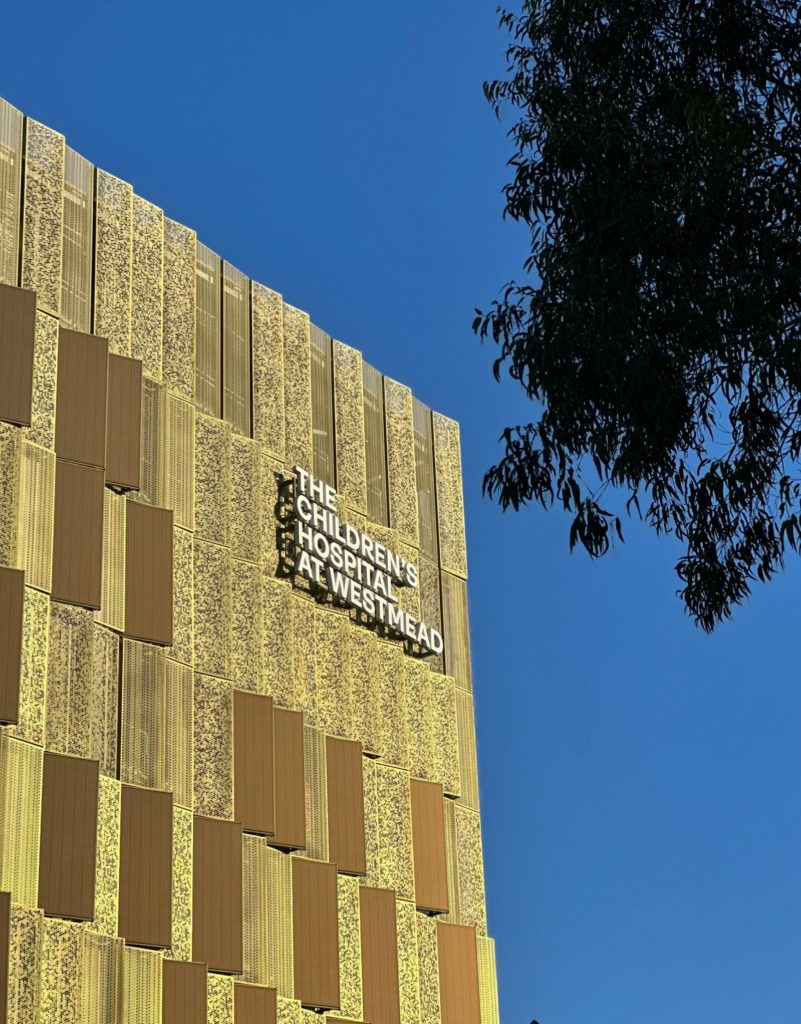
The placement
On my first day I made my way into the occupational therapy department with my heart beating out of my chest. I had done the suggested pre-readings and research that my supervisor had suggested, but I felt underprepared and overwhelmed. And honestly the first day is always the hardest.
You’re:
• Trying to orient yourself in a new environment, which may also be away from home.
• Feeling nervous to embark on workplace learning and not sure what you’re in for.
• Meeting so many new people … and trying to remember people’s names.
• And personally, I always feel like a fish out of water. I know that I am a good student, but so much is happening that I feel a little out of place.
But, as the placement went on, I came to love the setting and was confident to see patients in both inpatient (on the ward) and outpatient (in the clinic) settings by myself, which was a major goal of my placement – to increase independence.
Some advice
When you’re scared of placement, it’s easy to see it in your body language. It’s important to find strategies that help you relax and for me, it’s feeling prepared. Hence, self-directed learning is a major relaxer for me because it helps me feel prepared and like I know what I am doing.
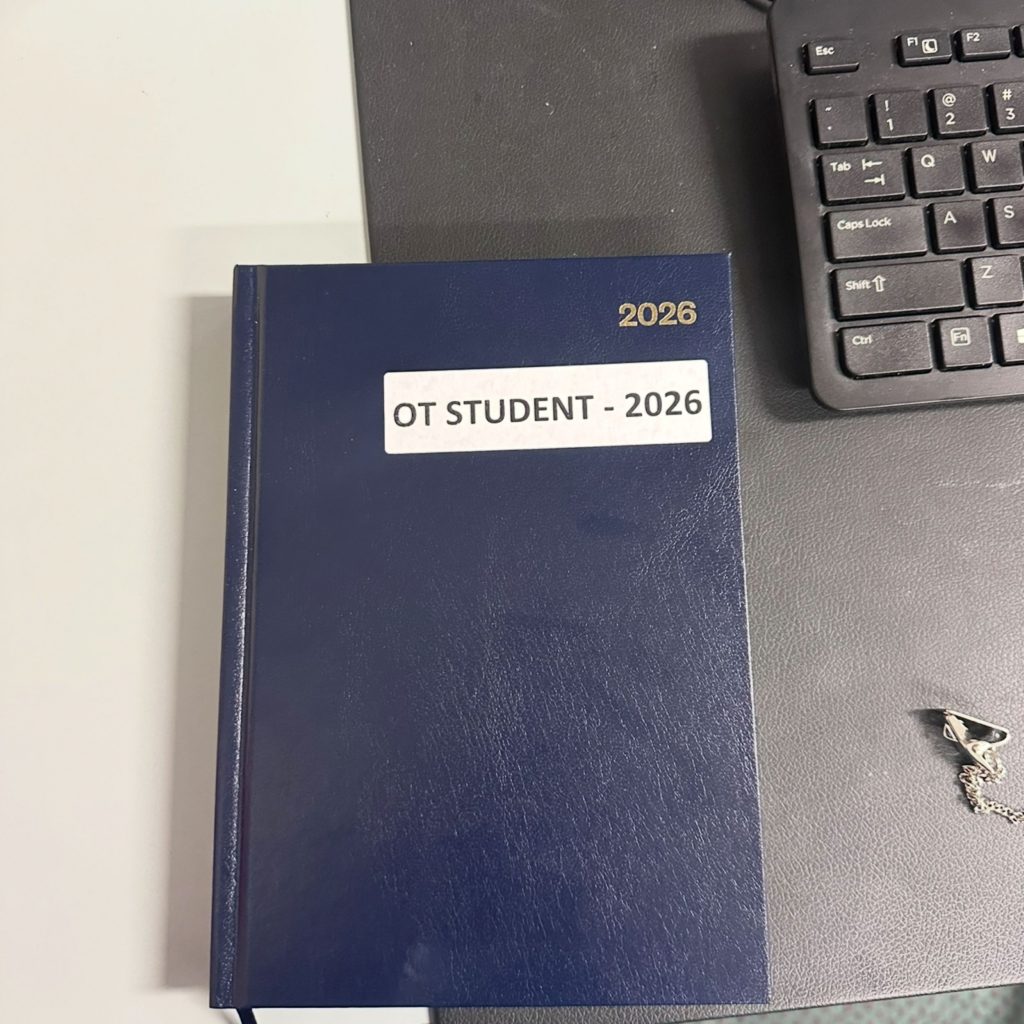
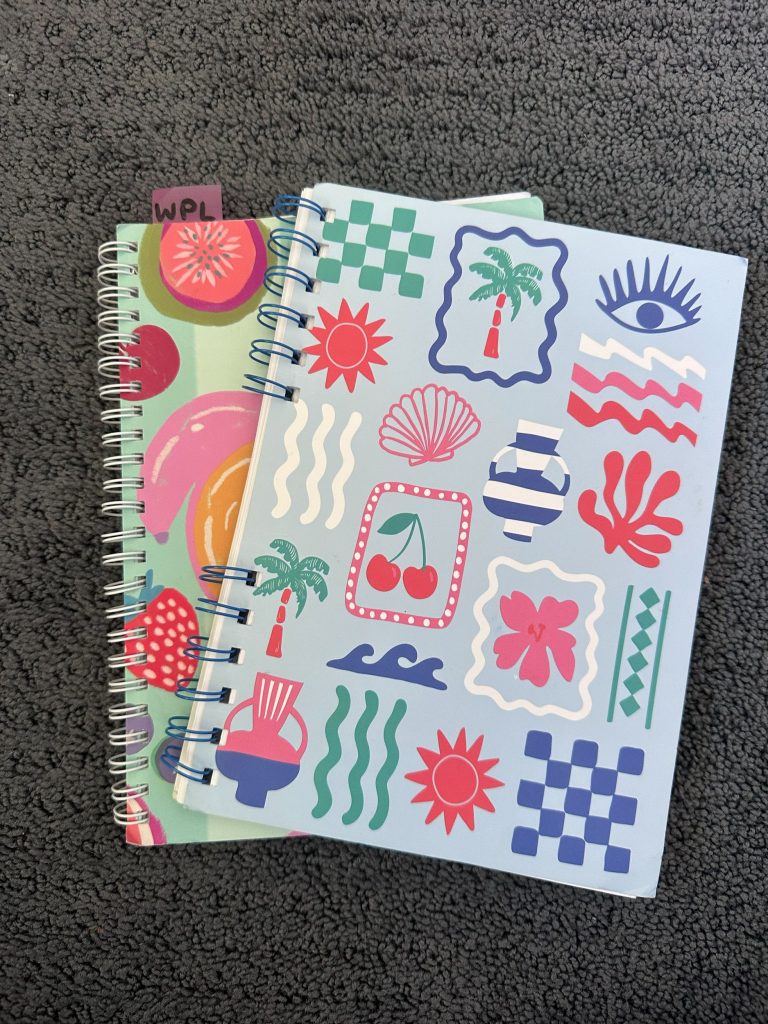
So, during placement I have 2 x notebooks:
- One for to-do lists, session plans, ideas, and scribbles of thoughts. This book helps me dump my brain onto the page and identify any gaps in my knowledge or things I need to research further.
- The other is for notes and learning. This book is set out with headings, information and all that I am learning in an ordered manner to further reflect on when needed.
These two books help me manage my time, feel prepared and learn whilst on placement, as our brains can often feel scrambled from the full-time work + learning at the same time cognitive load.
So even though the placement setting/caseload may be daunting for you, you still could really come to love it by the end! And remember to find strategies that help you during the placement to not feel so daunted, whether that’s being prepared and researching like me, or the opposite, find something that works for you!
Charlie blog is a SSAF initiative.