
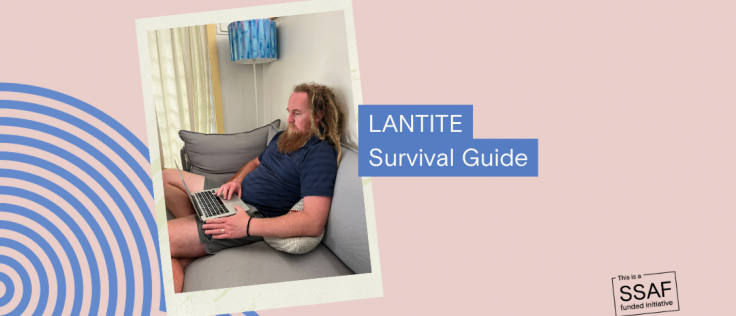
Written by Mitch W
The Literacy and Numeracy Test for Initial Teacher Education (LANTITE) is the subject of endless “staffroom whispers.” If you believe the hype, it’s an impossible mountain to climb. But here is the reality: while it’s a big deal, it’s totally doable with the right preparation and a very quiet room.
Looking back, the biggest lesson for me was that the challenge of LANTITE is often less about the academic content and more about managing the psychological pressure that surrounds it. Once I realised that most of the anxiety came from other people’s stories rather than my own preparation, the whole experience became far more manageable.
Stick to the Official Stuff
When it came to studying, I decided to go straight to the source. I spent my time on the official ACER practice exam PDFs. While there are heaps of third-party study guides out there, nothing beats getting used to the practice exam content and the specific way ACER words their questions. It’s the best way to make sure nothing catches you off guard on the day.
Through this process, I realised that familiarity is a powerful form of preparation. The more I interacted with the official practice material, the more predictable the structure of the test felt. Instead of seeing each question as something new and intimidating, I began to recognise patterns in the wording and structure. That recognition built confidence and helped reduce the cognitive load during the real test.
If I were doing it again, I would probably start this process earlier and spread the practice tests out over a longer period of time. Spacing them out would allow more time to reflect on mistakes and identify recurring areas of weakness. In hindsight, I realised that reviewing incorrect answers was just as valuable as completing the practice tests themselves.

Taming the Pre-Exam Jitters
I’ll be honest: I didn’t walk in feeling like a genius. After hearing horror stories from colleagues and reading stressful forum posts, I had a major case of “exam dread.” This kind of anxiety is common in high-stakes testing, where your belief in your own ability – often called self-efficacy – can actually impact how well you perform.
One thing I learned from this experience is how easily negative narratives can shape our perception of a challenge. Hearing repeated stories about how difficult the test is can slowly chip away at confidence, even when you are objectively well prepared.
To keep my head in the game, I ignored the anecdotes and focused on my practice scores. If your mock results are solid, the real thing likely will be too. Treating the practice data as evidence helped me replace emotional reactions with a more rational perspective.
As a future teacher, this experience also made me more aware of how students might feel when approaching assessments that have a strong reputation. It reinforced the importance of building students’ confidence through clear preparation and helping them focus on evidence of their progress rather than the fear surrounding the task.
The Remote Reality Check
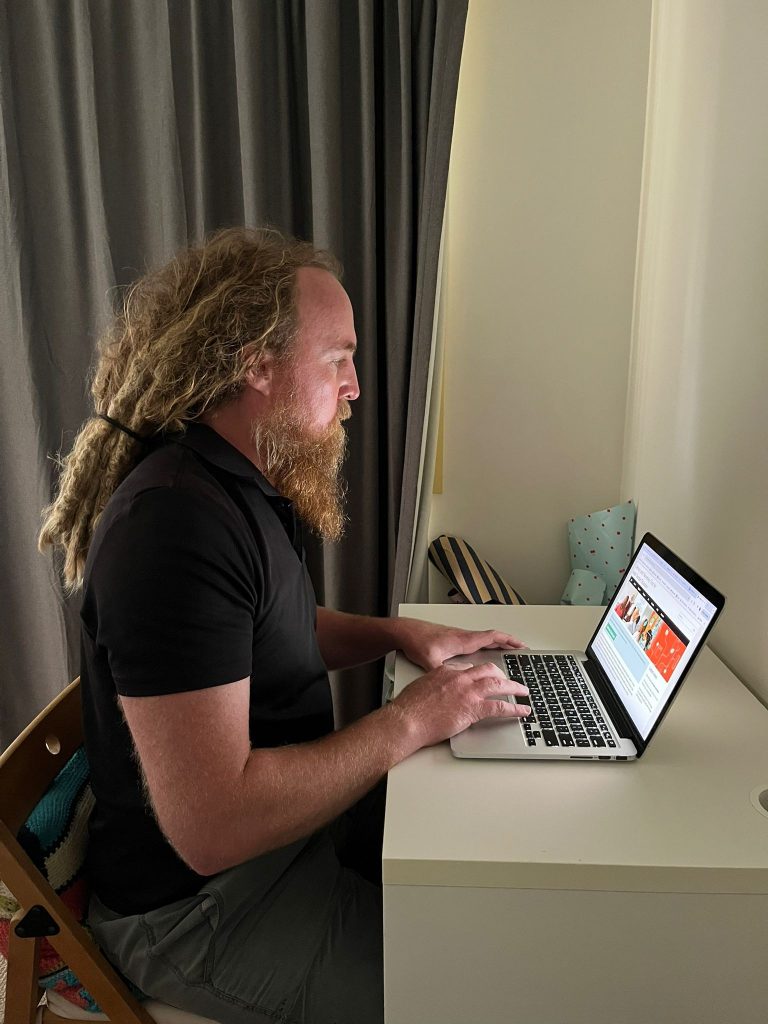
I chose to sit the test remotely. It’s incredibly convenient, but be warned: the proctors are intense. They will check your desk, your floor, and even your two pieces of scratch paper with a fine-tooth comb, to ensure they are blank with no written notes.
Then I had my “oops” moment. A silent alarm went off on my phone halfway through the exam. Even though it didn’t make a sound and was sitting in the other corner of the room, the vibrations pierced the room, creating a massive distraction that led to a very awkward discussion with the proctor. They were understanding, but it definitely broke my concentration for a moment.
Looking back, this experience taught me how small environmental factors can have a surprisingly large impact during high-stakes assessments. Something as simple as a phone notification can interrupt focus at exactly the wrong moment.
If I were to sit the test again, I would treat the setup process almost like a pre-flight checklist: clear desk, phone powered off and out of reach, browser tabs closed, and workspace organised well before the test begins. Removing every possible distraction helps create a calmer testing environment and allows you to focus entirely on the questions.
The Golden Rule
If you’re sitting the LANTITE next intake and the panic is starting to bubble up, remember this: trust your preparation. If you’ve been hitting the benchmarks in your practice tests, you already have the skills you need.
For me, the experience ultimately reinforced an important lesson about learning and assessment. Preparation builds competence, but reflection builds confidence. The more I looked back at what I had already achieved during my practice tests, the easier it became to believe that I could perform under exam conditions as well.
Whether you’re headed to a test centre or sitting the exam from your home office, go in with your head held high. You’ve done the work – now you just have to show them what you know.
For more information or support you can visit this web page:https://learn.csu.edu.au/d2l/home/33413
Charlie blog is a SSAF initiative.