
Written by Eliza Heinecke
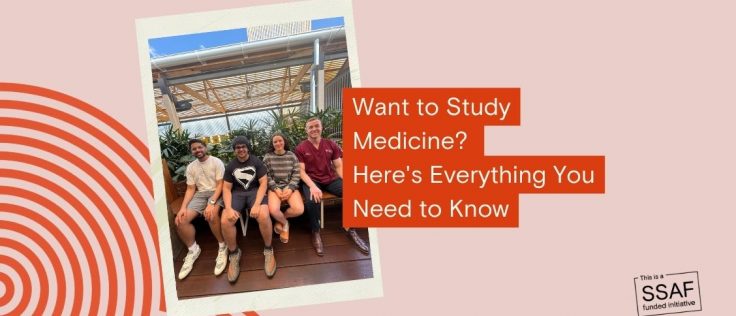
My name is Eliza, and I am a final-year medical student living on the Albury-Wodonga campus, located on the border between New South Wales and Victoria. I’m hoping to give you a little background about the Doctor of Medicine course and some insight into what it’s really like to study Medicine at Charles Sturt University — the good, the bad, and everything in between.
The last four and a bit years have been some of the most amazing and challenging years of my life. It is a real privilege to have the opportunity to study my dream degree with a great group of peers, and I look forward to a challenging but highly fulfilling role in the future.
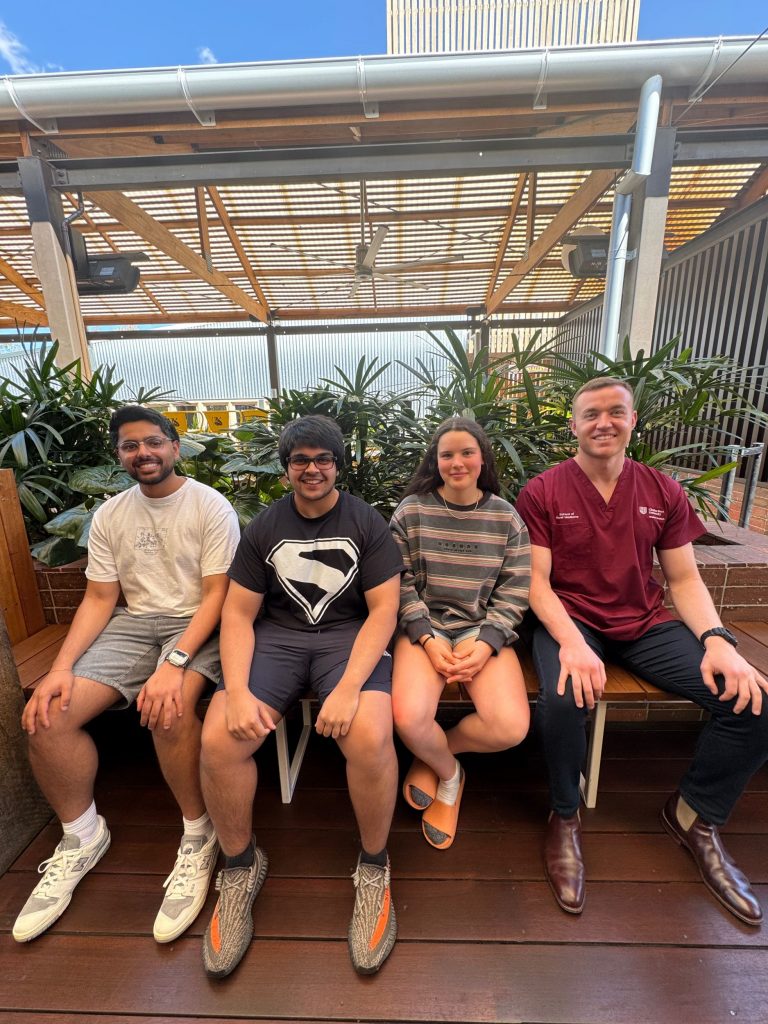
The pre-clinical years of Year 1 and 2 are based on the beautiful Orange campus in regional NSW. In Years 3-5 you are based at one on the nine Rural Clinical Schools across NSW and VIC. The medicine course takes place over five years of full-time study. You will graduate with a combined Bachelor of Clinical Science (Medicine) / Doctor of Medicine. This allows you to be granted provisional registration with the Medical Board of Australia to work as a postgraduate year one (PGY1) doctor, also known as a medical intern, and become eligible for general registration in Australia. The alternative exit option is to graduate with a Bachelor of Clinical Science (Medicine) after three years of study.
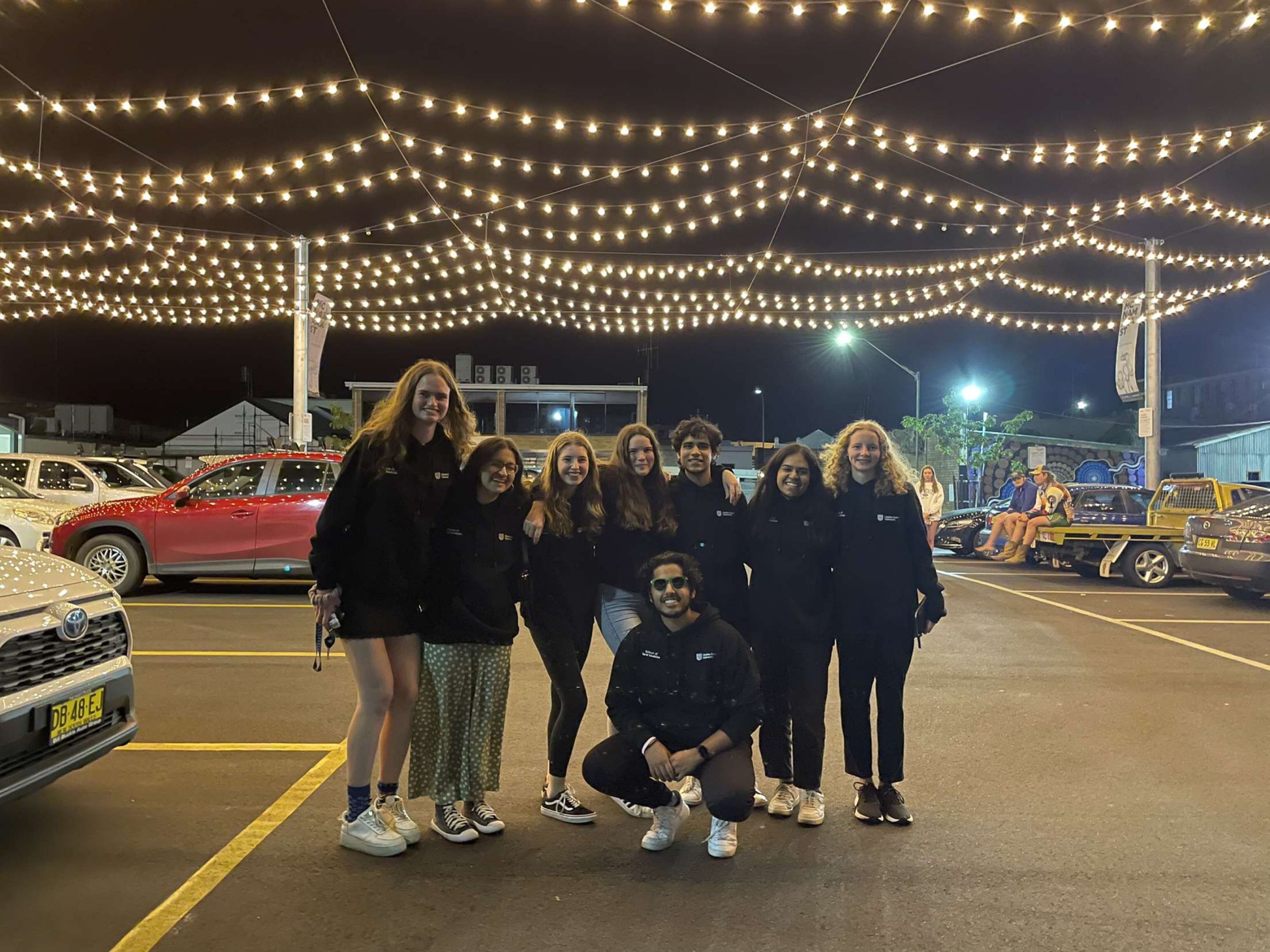
Interested? So how do you get in?
Well, it’s a multi-step process that does take a little while. Be sure to do plenty of reading about the process and plan ahead as much as possible so you know what’s required.
- UCAT ANZ exam — An exam sat between July and August at many locations around Australia and New Zealand each year. At the time of writing, the exam involves four multiple-choice subtests: Verbal Reasoning, Decision Making, Quantitative Reasoning, and Situational Judgement. Check out the official website for much more detail.
- UAC applications are due on the 25 September.
- Academic score – ATAR or GPA results depending on whether you are a current high school leaver, studying at university or are a graduate.
- Interviews take place in late November for those who are selected. This is typically a Multiple Mini Interview (MMI) via Zoom. You can find lots of practice material online or talk to a current medical student. There is lots of great information out there about the selection criteria and admissions process.
Be sure to check out the Charles Sturt website for all the up-to-date course info and requirements right here. Reach out with any further questions you may have to ask@csu.edu.au
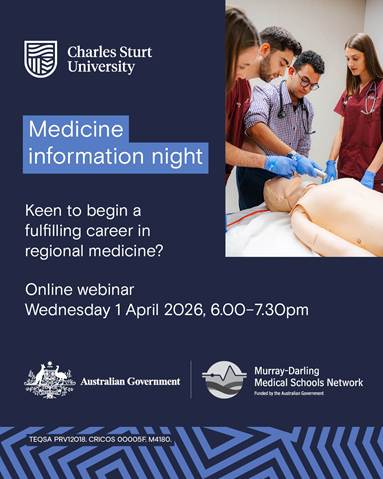
Now, what does the course itself actually look like?
Years 1-2:
These are the pre-clinical years which involve foundational learning for medicine, such as the biomedical sciences, microbiology, anatomy and physiology. You will have the opportunity to integrate this learning into authentic clinical scenarios in variety of ways such as weekly tutorials (problem-based learning) and practical hands-on sessions in simulated and real-life environments. Teaching will be structed around key learning blocks over these years including:
- Introduction to the Human Body
- Renal System
- Cardiovascular System
- Respiratory System
- Musculoskeletal system and rheumatology
- Neuroscience
- Endocrinology and reproductive system
- Infectious diseases
- Oncology, haematology and palliative care
Years 3-5:
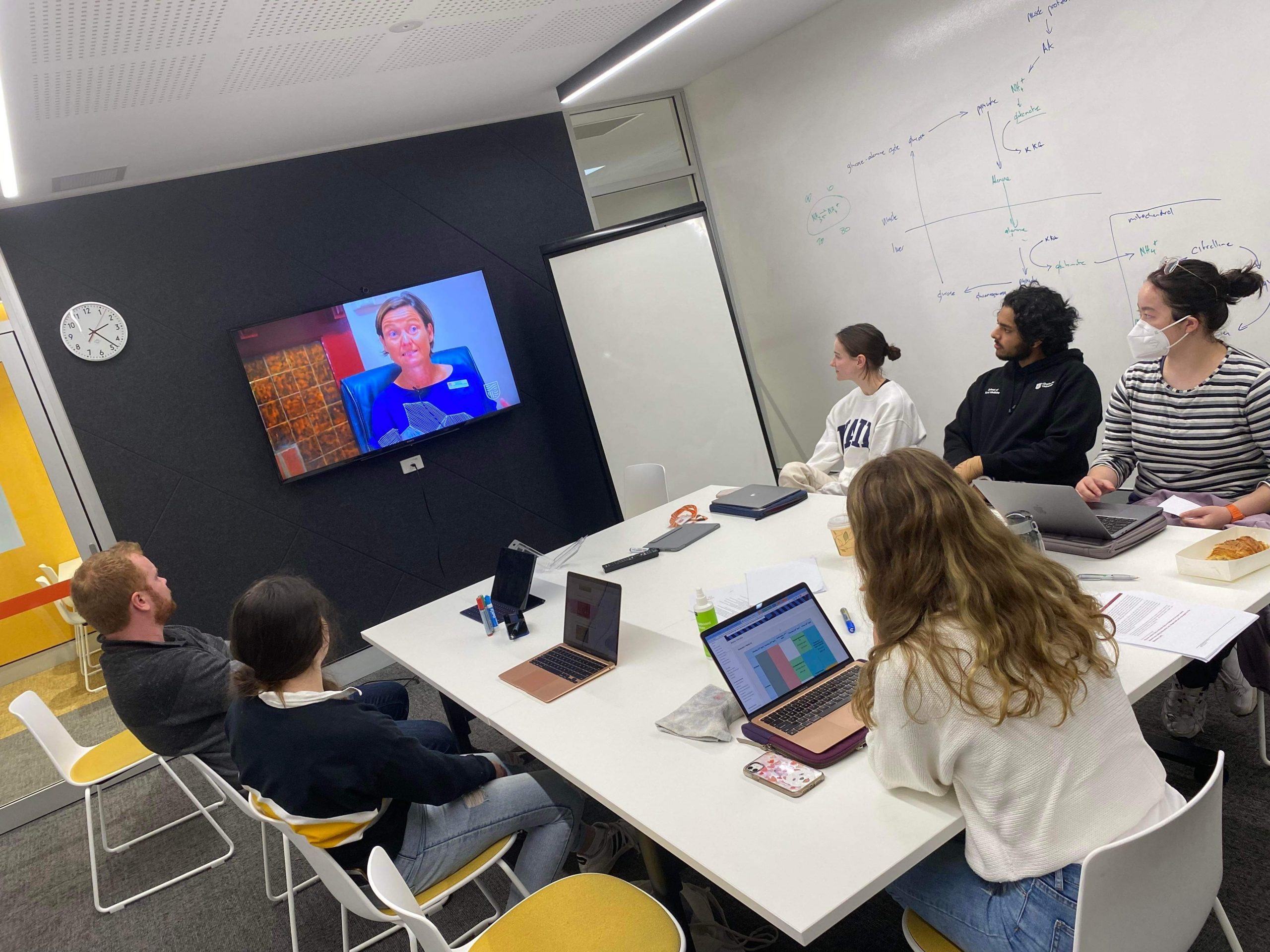
Clinical placements in a variety of medical disciplines in our regional/rural clinical schools based around regional/rural NSW and Victoria. Rotations will take place in the hospital and community including general practice, internal medicine, surgery, critical care (focusing on emergency medicine and anaesthetics), and Indigenous health.
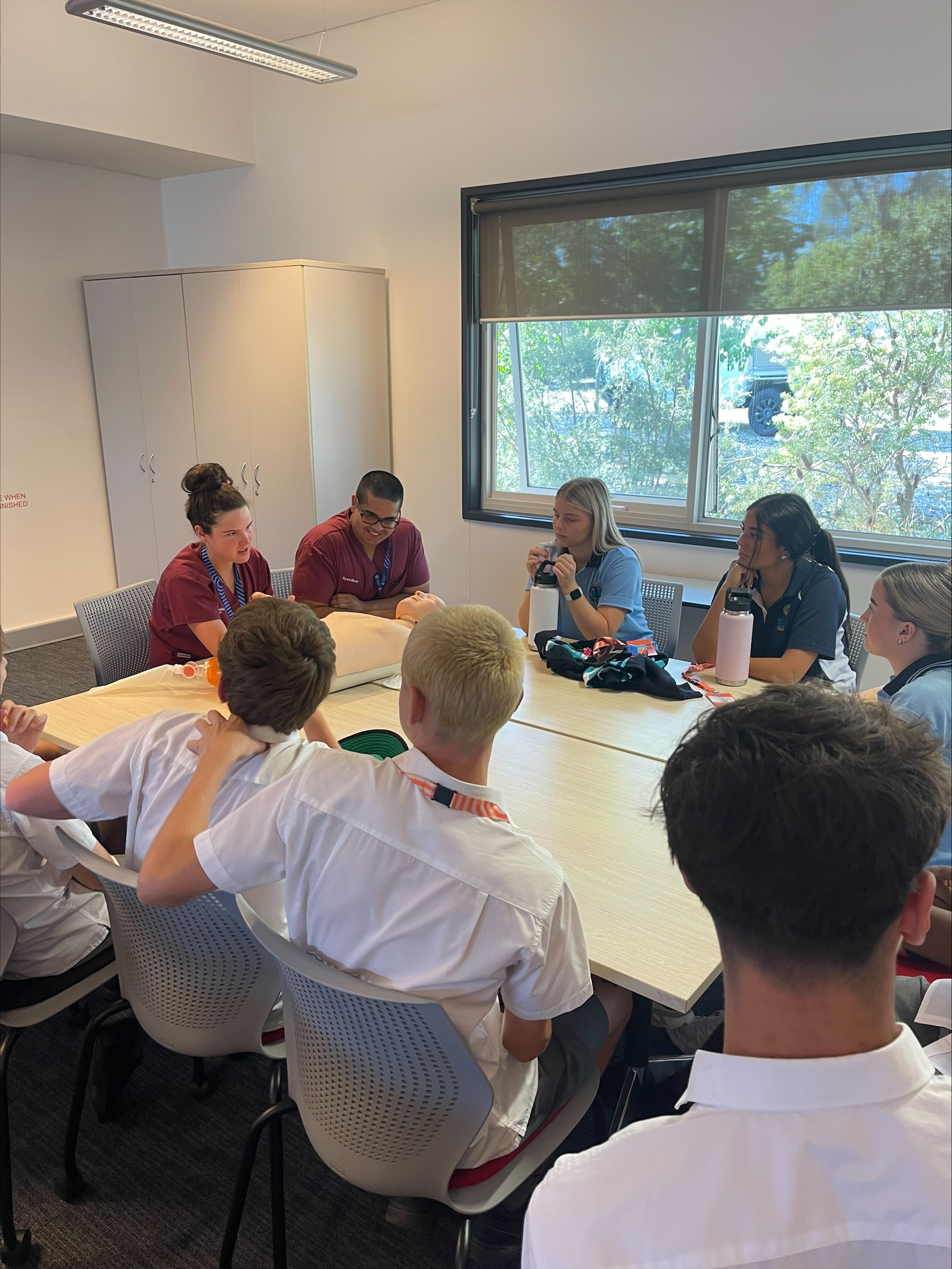
As a final-year student, I’m currently on an anaesthetics rotation as I write this. My weeks are pretty hectic, as I am working with a variety of clinicians in different theatres across both Albury and Wodonga hospitals. I am allocated to morning and afternoon lists with a specialist anaesthetist, and sometimes a registrar (that is, a specialist trainee), across different specialties each day. This week, I have been on scope lists (gastroscopies and colonoscopies), general surgery, ENT, ophthalmology, and transoesophageal echocardiography and cardioversion lists. I’ve also had the opportunity to run information sessions with high school students who may be interested in medicine, alongside some of my colleagues.
One of the hardest things about the clinical years — and let’s be real, the pre-clinical years too — is the time demand of the course. You are on placement at the hospital from Monday to Friday, with a few tutorials from different local clinicians throughout the week. All other coursework, such as lectures and assignments, is completed in your own time outside of this. For me, this often means listening to lectures while preparing dinner. It’s certainly busy, but on the harder days I always remind myself how privileged I am to be studying for a career I love, and I genuinely enjoy my time on placement.
As with many other courses, the financial side of things can be a bit difficult, as many of us need to fit in part-time work to cover daily expenses. I am very lucky to have a role working for the university, and I also work casually at the supermarket to support myself financially. It really helps to have good support around you — I have a very supportive family and partner who help me get through each day.
And of course, with whatever time I have left, it’s important to step away and do something completely unrelated to medicine!
Charlie blog is a SSAF funded initiative.