Written by Lewis Donaldson
Scroll through social media for a few minutes and you’ll see it.
Bold claims. Viral videos. AI generated content.
How much of what we see online goes unchecked?
The Australian Communications and Media Authority revealed in a 2025 report, that 7 in 10 Australians believed they encountered some form of misinformation online in the first half of the year.
The University of Canberra in a 2024 report found concern for misinformation rose to 75%, up 11 percentage points from 2022.
Mix in bots and the increasing sophistication of AI, it’s becoming harder than ever to tell fact from fiction.
Here are a few things worth knowing.
Misinformation vs Disinformation
The two terms get thrown around a lot, but they’re not exactly the same.
Misinformation is false information that’s shared without the intention to mislead. Someone might repost an outdated video thinking it’s recent or share a statistic that turns out to be incorrect.
Disinformation, on the other hand, is deliberate.
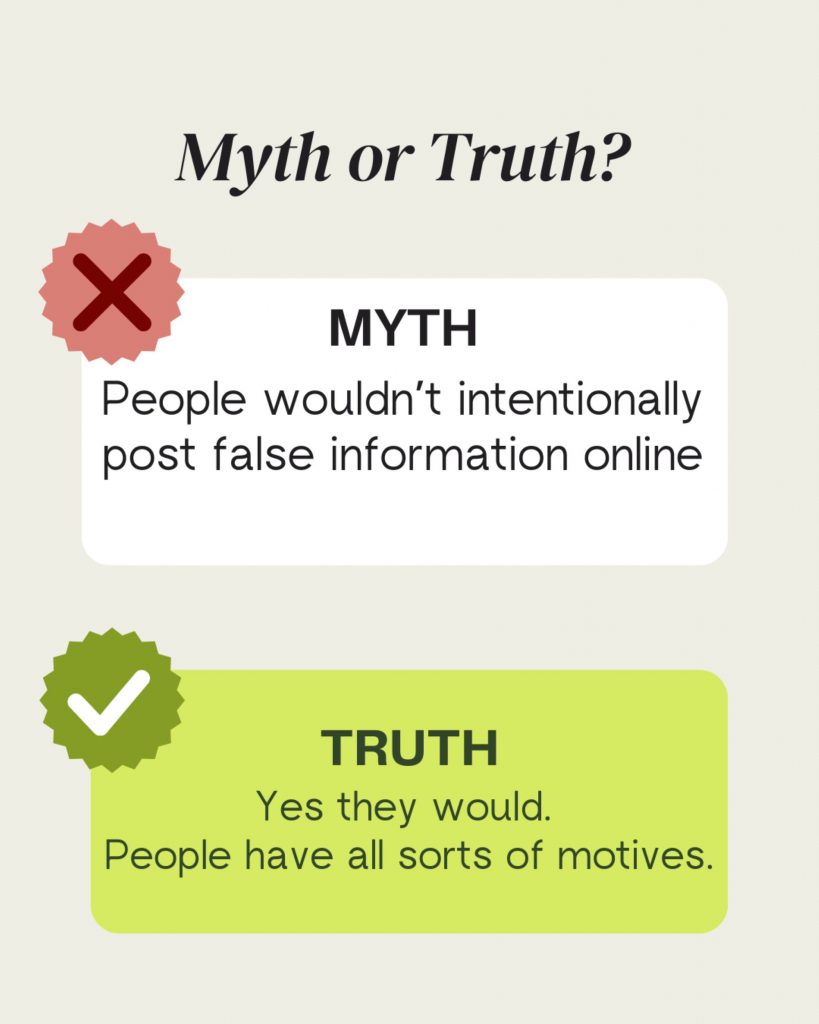
It’s false or manipulated information that’s intentionally spread to deceive people, push an agenda or influence opinion. That might be edited footage or content shared without key context to make something appear different from reality.
Bots and How to Spot Them
Bots are automated accounts designed to comment, post and interact with content.
Often they’re used to amplify a particular message so it appears more popular than it really is.
You might see a post filled with comments like:
“Fantastic.”
“Great work.”
“Well done Angus.”
Dozens of similar comments appear within seconds.
At first glance it looks like overwhelming support. But this is simply to trick you into what side to take.
Bots in social media comment sections are there to inflate engagement, spread information (or more likely disinformation) at scale and to ultimately sway public opinion.
You can spot them though. Look for these signs below:
- Very generic comments
- Repeated phrases across multiple posts
- Accounts with very few personal posts
- Generic profile pic
- Usernames with long strings of numbers
You can find more information from Microsoft’s ‘How to Spot Bots on Social Media’.
What’s Real Anymore?
Artificial intelligence has added another layer of complexity. AI can now generate realistic images, voices and videos in seconds.
This doesn’t mean everything online is fake, but it does mean we need to approach information with a little more caution. Try to be a little more skeptical.
Look for:
1. Who’s posting the content? News site or some random?
2. Why might they be posting it? What’s the motive?
3. Is the post emotionally-charged?
4. Does the content look generic or AI generated?
5. What other content has the account posted? Does it follow a similar vibe?
6. Are dates, stats and sources included in the post or video?
7. When is it posted? Is it trying to ride engagement with trending news, events?
8. Can you verify the information with a search online?
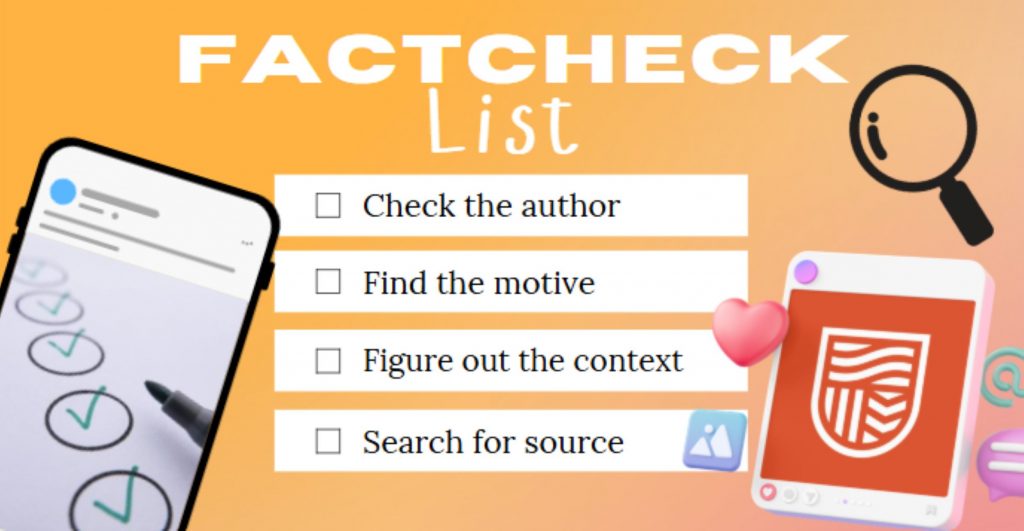
Do this, and the red flags become a whole lot more visible.
In today’s world where information – true or false – spreads instantly, a spoonful of skepticism helps the truth come out. For more information and tips, you can head to Australia’s eSafety Commissioner.
Charlie blog is a SSAF funded initiative.