
Written by Miriam Randall
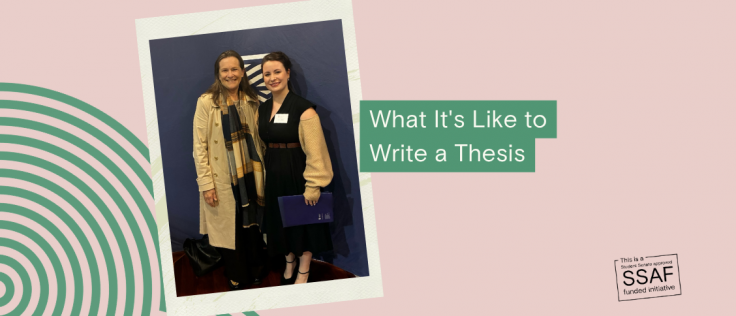
When people ask what my honours thesis was on, there’s usually a small pause after I answer. “Suicide in older adults” isn’t exactly small talk. But it’s also one of the most under-researched areas in psychology, which is exactly why I wanted to do it.
Looking back, it’s one of the things I’m proudest of from my degree. Here’s the honest version, lows included, for anyone at Charles Sturt about to start their own thesis and wondering what it was like for someone else.
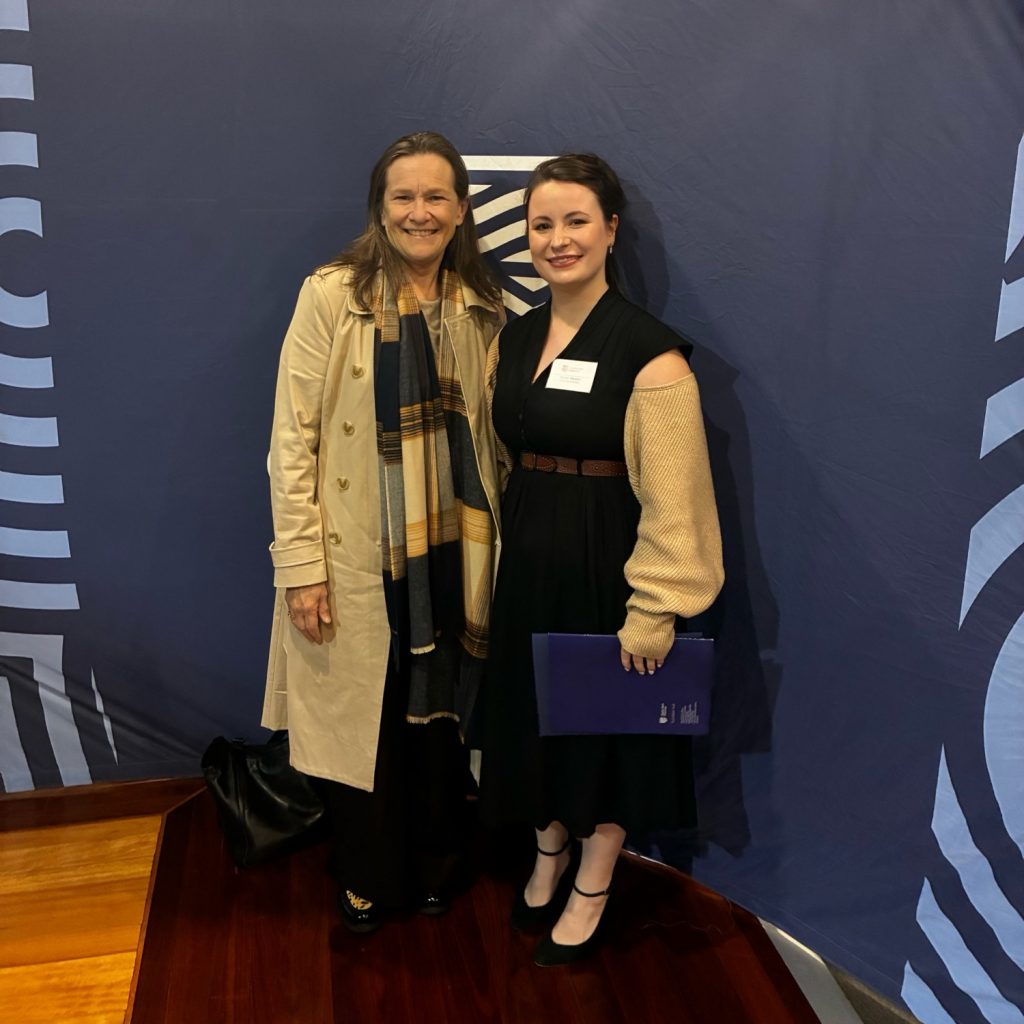
The Highs:
It felt like it mattered. Older adults, especially men in rural and regional areas, are consistently among the highest-risk groups for suicide and the least studied.
Getting to add even a small amount to this area, on a topic I actually cared about, is what made the whole year feel worthwhile rather than just survivable.
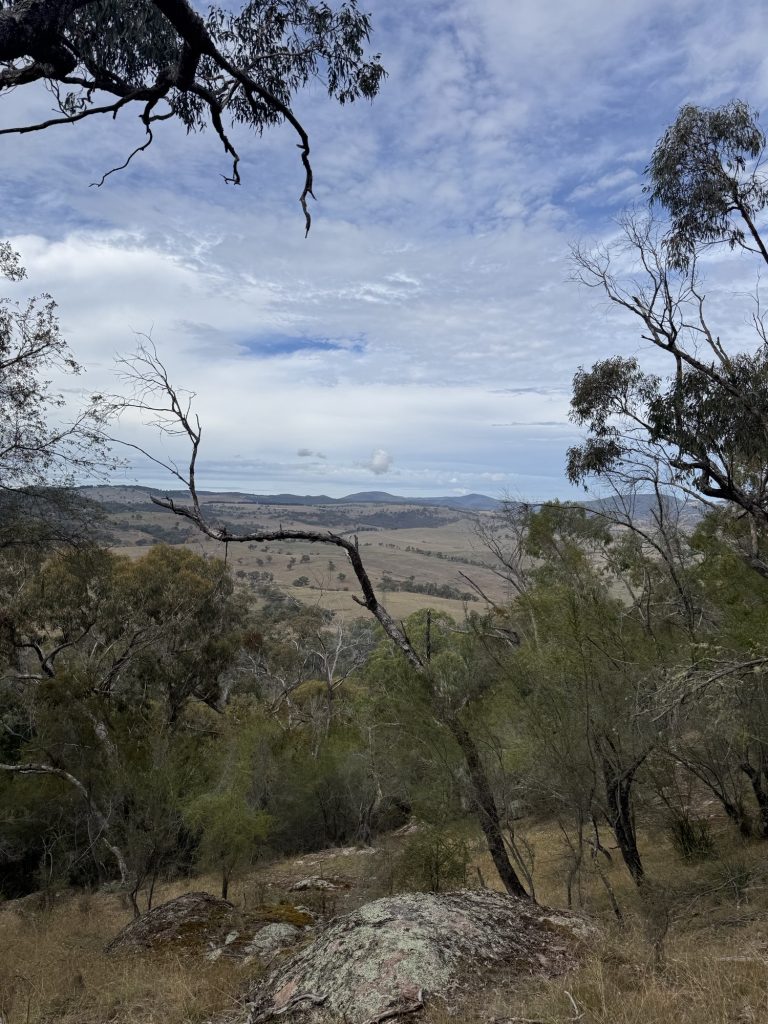
The people around me made it possible. Tutors, other students working through their own theses at the same time, and academic staff outside my immediate supervision all became part of how I got through it.
The numbers eventually told a story. There’s a genuinely brilliant feeling in watching a model finally converge or seeing a result line up with the literature and theory after weeks of feeling like the data was fighting you. Those small wins carried me through.
Finishing it felt amazing. I expected relief. What I actually felt was pride, the real kind, for having taken something difficult and stigmatised and turned it into something solid and rigorous that I’d happily talk about with anyone.
The Lows (Because These Are Part of the Story Too):
The topic followed me around. Spending months immersed in literature on risk and late-life adversity means it pops up in ordinary moments, a conversation with a grandparent, a news story. Knowing that going in helped me plan for it rather than be caught off guard.
The data needed a clear head and a good understanding of the topic material. Cleaning real-world survey data from older adults is humbling work. There were missing responses and the odd outlier that upset the computer program (SPSS). Frustrating in the moment, weirdly satisfying once it was sorted.
If You’re About to Start:
- Pick a topic you actually care about. It makes the long stretches so much easier to push through.
- Build your own support network early. Tutors, peers who are also writing a thesis, and academic staff outside your supervision can carry you through more than you’d expect.
- Let yourself feel proud along the way, not just at the end. Every small win counts.
The thesis is hard, and that part is universal. But a hard topic doesn’t mean a bad year.
If you’re ever in need of emotional, mental or wellbeing support, reach out to the various services available at Charles Sturt.
Charlie blog is a SSAF initiative.