
Written by Mia Elliot
Burnout… What really is it? Google says that burnout is a feeling of emotional, physical and mental exhaustion caused by excessive stress. Many university students will experience burnout at some point during their degree. Burnout is a natural response to doing too many things at once without giving your body enough time to rest.
My biggest tips to reset your routine when feeling burnt out are:
Reset your sleep routine!
Make sure that you get at least 8 hours every night and rest when you need to reset your brain and body. Sleep is essential to be able to function. Without sleep, you can’t write your essays, attend your lectures, and complete practicals to the best of your ability.
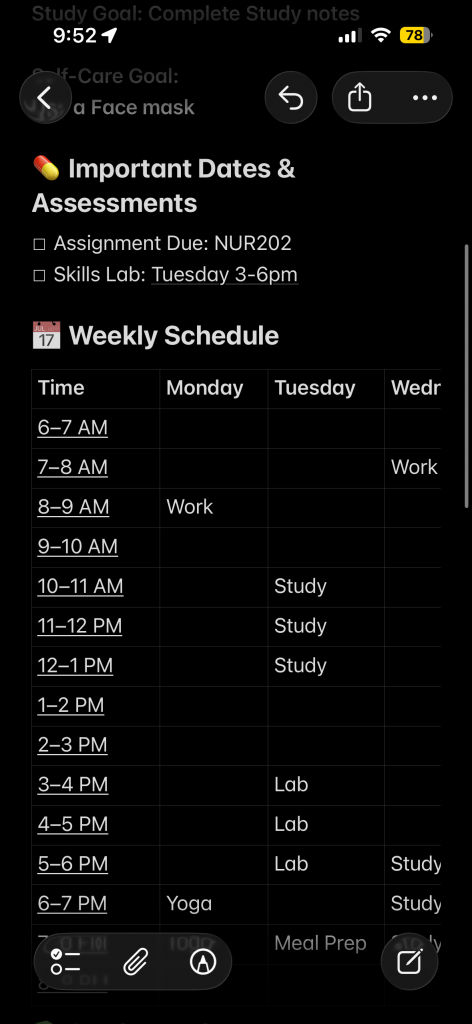
Plan your week in advance
I plan my week in advance to make sure I am aware of what downtime I can have and what rest days are available with my busy schedule. Planning my days ahead of time ensures that I am organised in advance and can get things done before they are due to ensure that I adequately rest my brain and prevent burnout.
Keeping study to a minimum when feeling burnt out
During times when I feel like I am getting to the verge of burnout, I tend to keep study to a minimum. I only do a few hours each day and prioritise rest and resetting my routine.
Move your body!!!
Moving your body in times of burnout and stress is good for the mind and the body. I make sure to go on walks along the beautiful Port Macquarie Breakwall and breathe. I love doing yoga or Pilates classes to challenge my mind and body in a different way.
Treating yourself!
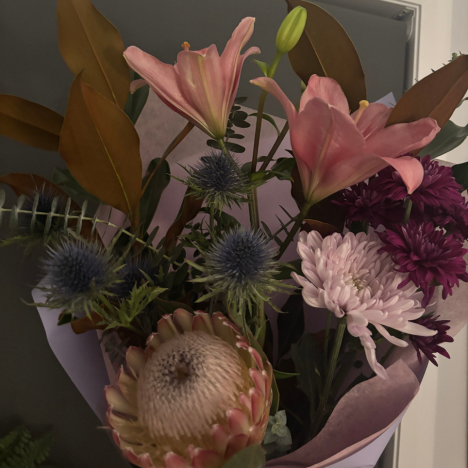
Going on dates with yourself, such as getting ice cream, going on that Kmart shopping trip, taking yourself out for dinner, or buying yourself flowers, can be a great way to treat yourself!
Human interaction is vital
Hanging out with friends is important when feeling burnt out, as social interaction can help reduce stress and make you feel more relaxed. Taking time to see family and catch up during busy times can help to ground yourself and give you time to reset.
Try new things
Trying new things can reduce burnout greatly. This could include taking an art class, a surf lesson, or a yoga class, and prioritising self-care when you feel burnt out. Prioritising new experiences and things you enjoy helps break the cycle of burnout, disrupts the brain’s usual exhaustion patterns, and forces you to be active and present in the moment.
Being with nature
I find sitting by the beach helps calm my nerves and centre myself in times of extreme stress and exhaustion. Going for a swim or beach walk helps me ground myself, even for 30 minutes a day. Going camping somewhere without phone service helps me take my mind off my busy lifestyle and get away from the pressures of life, including assignments, social media, and so much more.

These are some of my best tips to help with burnout and times of exhaustion. As busy university students, we need to prioritise ourselves as we matter just as much as the degree does!
I hope these tips help!
Charles Sturt offers a range of support services to help you throughout your studies. If you ever need a little extra support, you can explore the full range of services available to you here: https://www.csu.edu.au/current-students/support/student-services/support-services-directory
Charlie blog is a SSAF initiative.