
Written by Sophie Jarvis
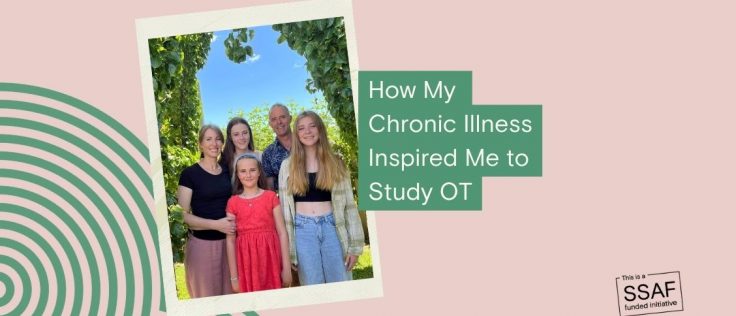
My name is Sophie, and like many students at Charles Sturt, I manage multiple health issues.
I started uni for the first time in 2025, studying a Bachelor of Veterinary Technology. Living independently for the first time made me realise just how much my conditions weigh on me. In high school, if I felt sick, I could take the day off, have my parents drive me to appointments, rely on them for meals, and have someone close by to talk to about how I was feeling.
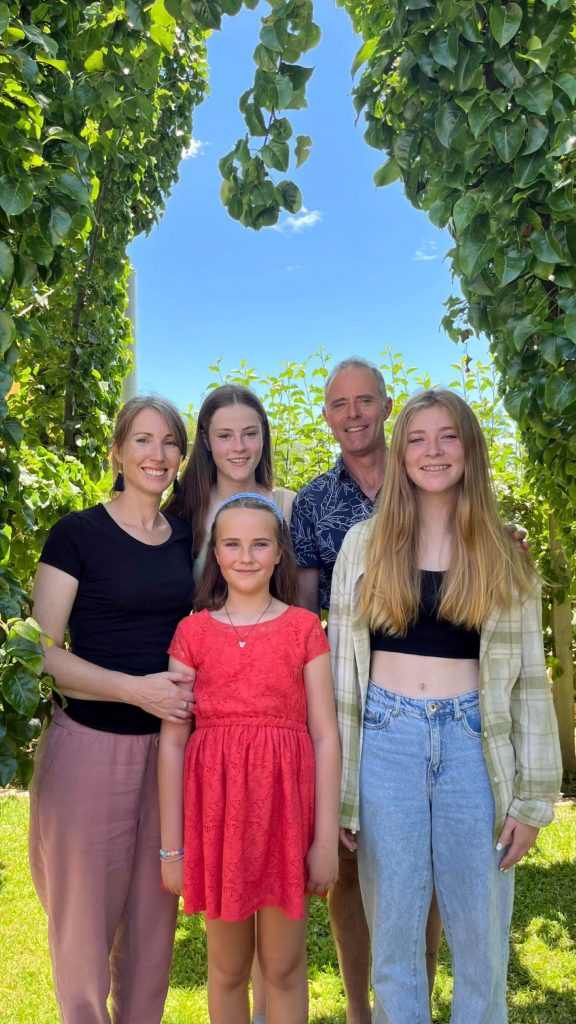
Once I moved out, managing my symptoms became much harder. I was juggling more responsibilities, and the stress often made my symptoms worse. I ended up in the hospital three times, far from my family, without anyone there to support me.
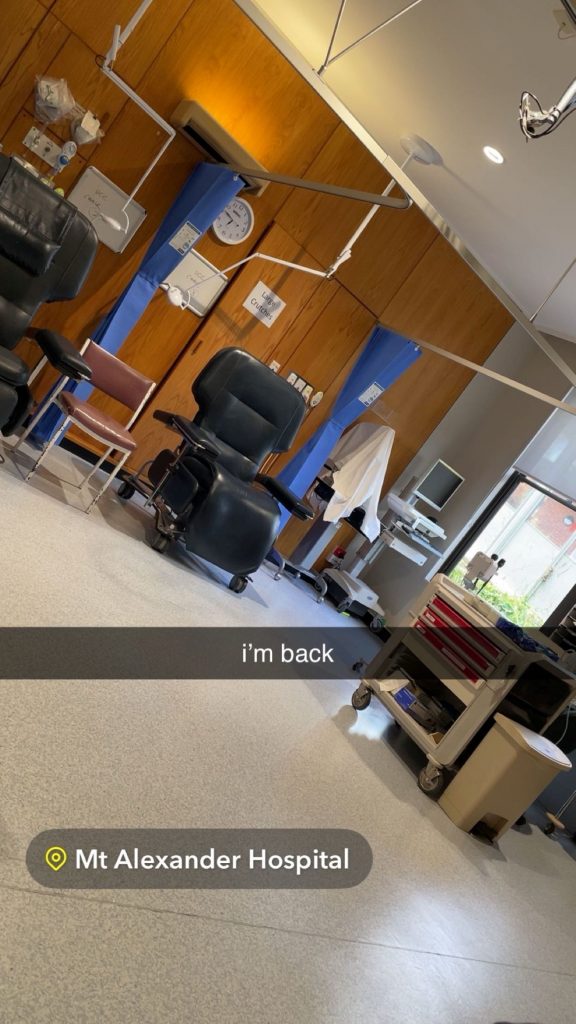
The third time, I was waiting for an ultrasound in the emergency room, sitting in an uncomfortable chair with a full bladder for over an hour. That’s when it hit me fully. I started crying and couldn’t stop. I wanted my parents. I was uncomfortable, cold, in pain, hungry, and just wanted to lie down.

After this experience, I started thinking seriously about my future. While I love animals, I realised my previous degree wasn’t right for me. I had always been interested in human healthcare, and I realised my own experiences were guiding me toward a path that feels meaningful. After careful consideration, I applied to study occupational therapy, and I was accepted. I want to be the support for others, that I wish someone had been for me that day in the emergency room.
My experiences have given me insight that I know will make me a better occupational therapist. I understand what it feels like to be vulnerable, to feel alone, and to face challenges that aren’t always visible to others. I know the importance of truly listening, of respecting that every person’s experience is different, and of approaching each individual without assumptions. Living with chronic illness has also taught me to be creative and adaptable, qualities that will help me find practical solutions and support people in ways that really work for them.
If you’re in a similar situation, I want you to remember this: your journey, with all its challenges, gives you skills and perspectives that no textbook can teach. Changing direction, slowing down, or navigating life while unwell does not mean failure. It means you are learning resilience, empathy, and insight; and those are exactly the qualities that will allow us both to make a difference in the lives of others.
Charlie blog is a SSAF funded initiative.