

Written by Olivia Baker
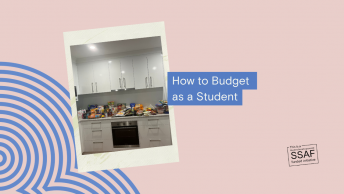
Budgeting in modern society feels very different from what it once was. Nowadays transactions are literally a tap away from online shopping, food delivery, subscriptions, and contactless payments . Spending money has never been easier to do without realizing how quickly the transactions can add up. Therefore, I am excited to share the following budgeting steps that have continued to serve me well for years on end.

Track Your Spending
The first step that made a real difference was tracking my spending, so I knew where my money was going, including small transactions like coffee and subscriptions. Seeing everything written in an excel spreadsheet was eye‑opening as all the little purchases add up faster than you think, and being aware of them helped me make more intentional choices.

Make a Budget
Another key lesson I recommend is setting a realistic budget plan. For example, I culled four streaming platform subscriptions, and only allowed myself to have one subscription, and I cut buying take away coffee out altogether, allowing room for life necessities and the occasional treat. Within a fortnight, I had adapted to my new budgeting regime and never looked back.
Plan Ahead
One of my favourite budgeting techniques is planning ahead. Whether it’s meal prepping, setting weekly spending limits, or anticipating upcoming expenses, planning helps avoid last‑minute stress and unnecessary spending. I adopt this budgeting method every year, so I am well prepared the whopping CTP greenslip and vehicle registration renewal expenditure.

Start Small
Saving in modern society can seem challenging, but by setting aside even small amounts on a frequent and consistent basis adds up over time. Start when you can, stay disciplined with your schedule, and save only what’s affordable after covering essential expenses. By applying this method, I have obtained a sense of control rather than restriction.
If you’re new to budgeting, don’t be overwhelmed, just start by tracking your transactions and adjust your approach to fit your life. You don’t need special tools, as budgeting is about gaining control, not restriction. Setting your own budgeting parameters can make you feel more at ease and empowered.
Charlie blog is a SSAF funded initiative.