
Written by Heidi Kingston
My job as an Allied Health Assistant (AHA) has easily been one of the most amazing experiences of my uni career so far. I’ve previously shared on Charlie about my placement experience as an Occupational Therapy (OT) student in acute care, but what happened next was something I never expected.
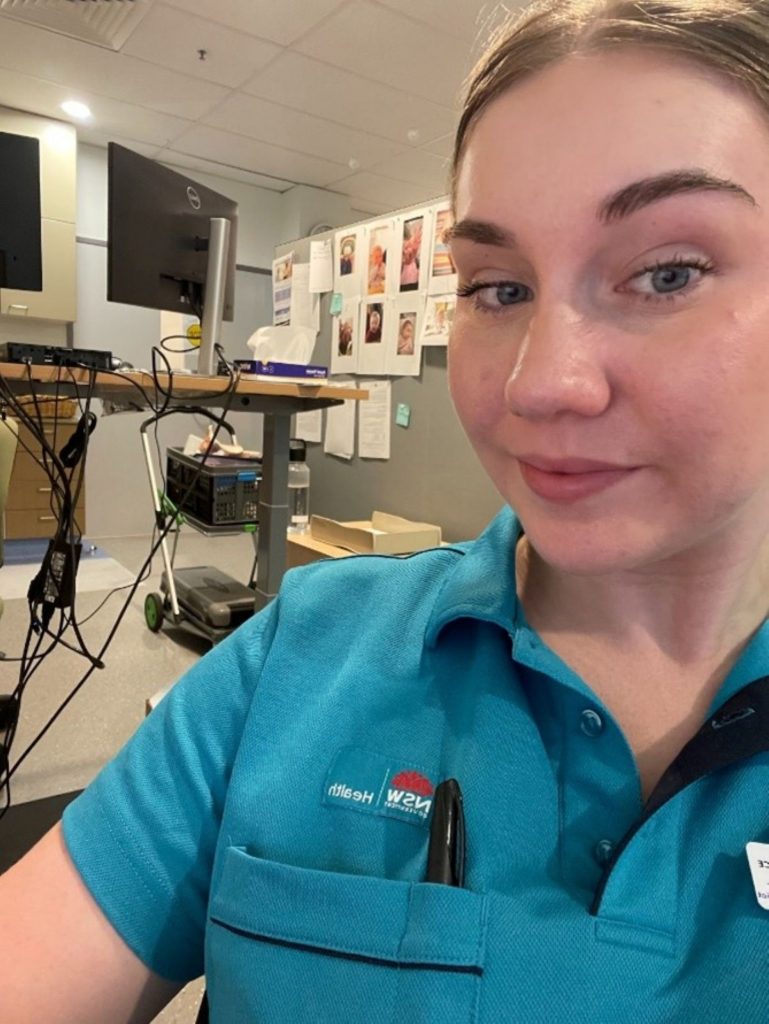
As my two-week placement was ending, the Head of Department offered me a job working as an AHA. I accepted feeling an overwhelming mix of gratitude, excitement, and disbelief. As an OT student, working as an AHA in the OT department is honestly one of the best head starts you could have in your career.
The role allows me to work alongside OTs in the hospital environment, doing everything from office admin and handling equipment, to running small one-off errands and conducting daily therapy tasks with patients. Every day looks a little different, which keeps things interesting.
Hands-on learning vs textbooks
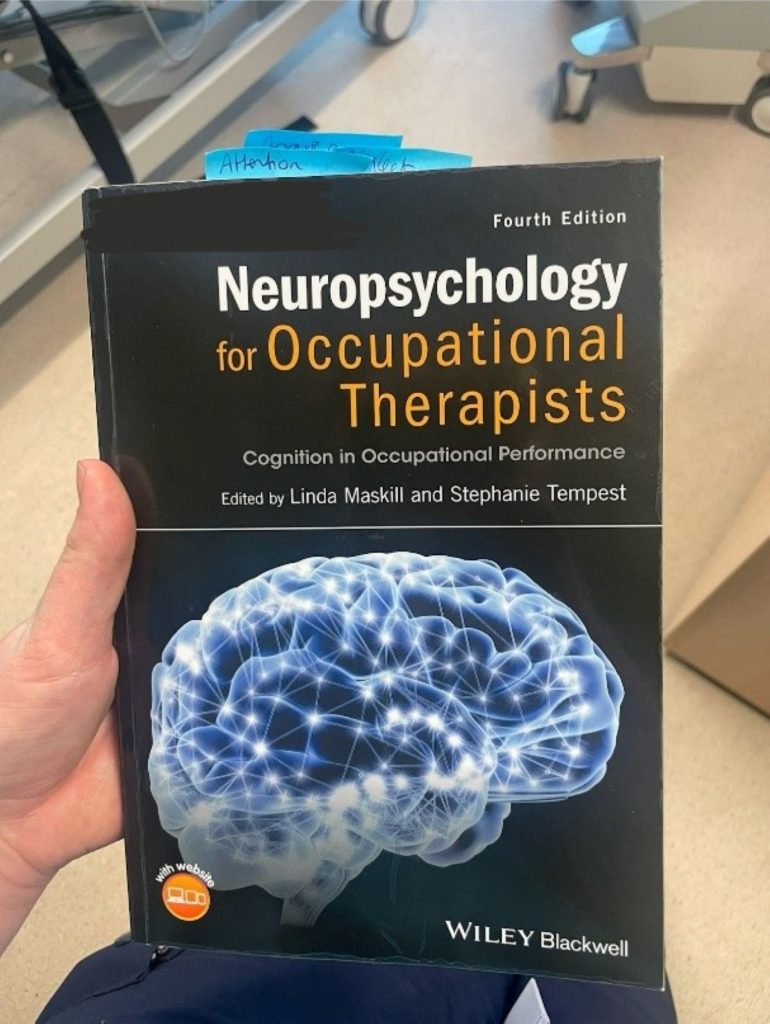
Everyone learns differently, but I’ve always thrived in hands-on environments where I can see, feel, and experience what I’m learning. This is why I get the most out of placement, practical classes, and now working as an AHA.
For example, I could spend hours trying to memorise anatomy diagrams from a textbook and retain very little. But once I step into a wet lab or see anatomy applied in real life, everything suddenly clicks. The same goes for learning about neurological conditions – reading about strokes in a textbook is one thing, but working with patients with varying levels of function makes the learning so much more meaningful.
An extended placement experience
Working in the hospital has felt like an extended placement opportunity. Those initial two weeks helped me build confidence talking to patients, navigating hospital systems, and learning how to use eMR (electronic medical record). Just as I was starting to feel comfortable, placement ended – which made stepping into the AHA role feel like perfect timing. Now I’m continuing to build on those skills every day, rather than pressing pause and waiting for my next placement block.
What does an AHA actually do?
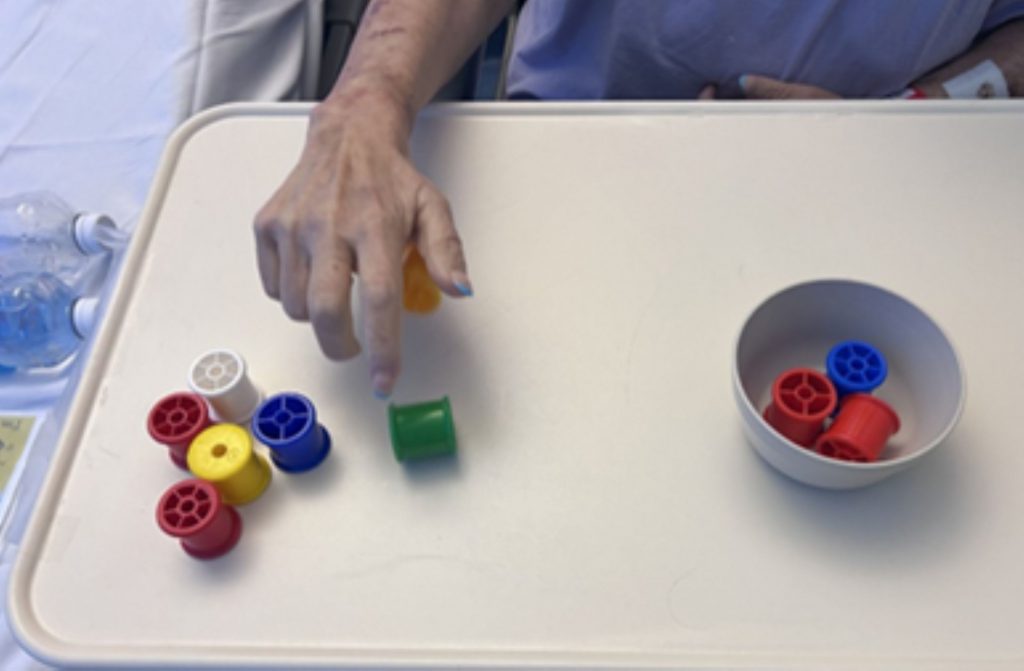
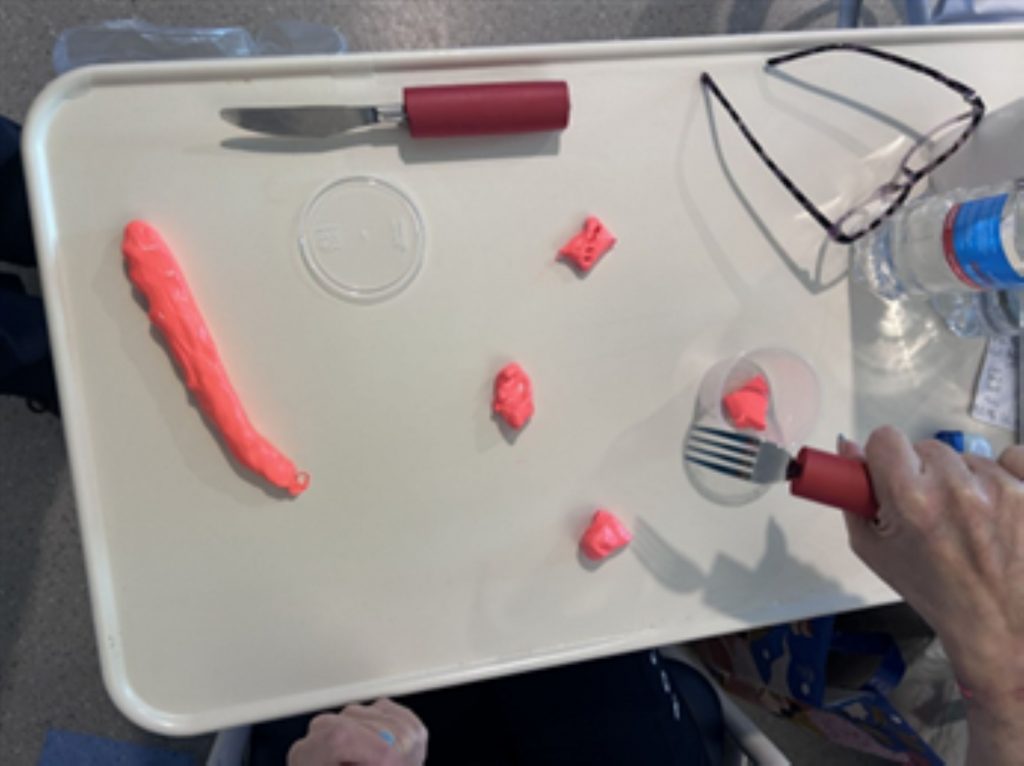
My day-to-day workload includes administration tasks, assisting with therapy sessions, cleaning and tracking equipment, and supporting the OT team wherever needed. I had never worked in admin before (and I’m definitely not tech-savvy), so this has been one of the more challenging parts. Tasks like scanning and uploading documents, creating therapy programs, and writing notes in patient records were intimidating at first, but my confidence grows each week. I have been going to see patients individually to conduct therapy tasks including mobility practice, ADL management, and stroke rehab.
A head start into second year
Going into second year, I’ll be studying neuroscience, OT assessments, and assistive technologies. Through my AHA role, I’m already gaining exposure to these areas, from observing assessments to working with patients who have experienced neurological injury. It’s reassuring to know I’m developing skills earlier than expected and walking into second year feeling more prepared and confident.
Charlie blog is a SSAF funded initiative.