
Written by Harvey Lew
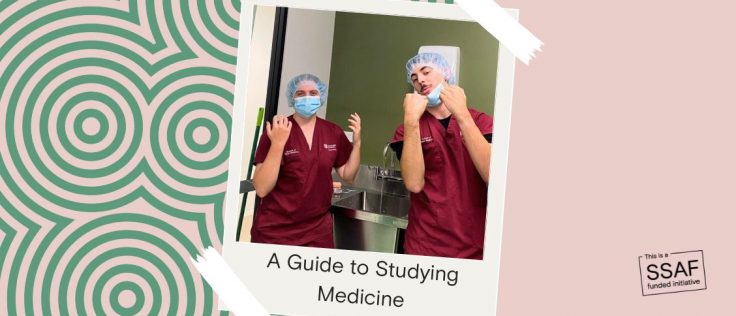
Hi, I’m Harvey, a third year (almost) medical student at Charles Sturt, and over the past few years I have slowly pieced together how to study medicine without feeling like my brain is being deep fried. Everyone tells you that medical school is a marathon, not a sprint, but weirdly no one hands you a map. So, this is mine. It’s not perfect, but it has kept me functional and sometimes even enjoying myself.
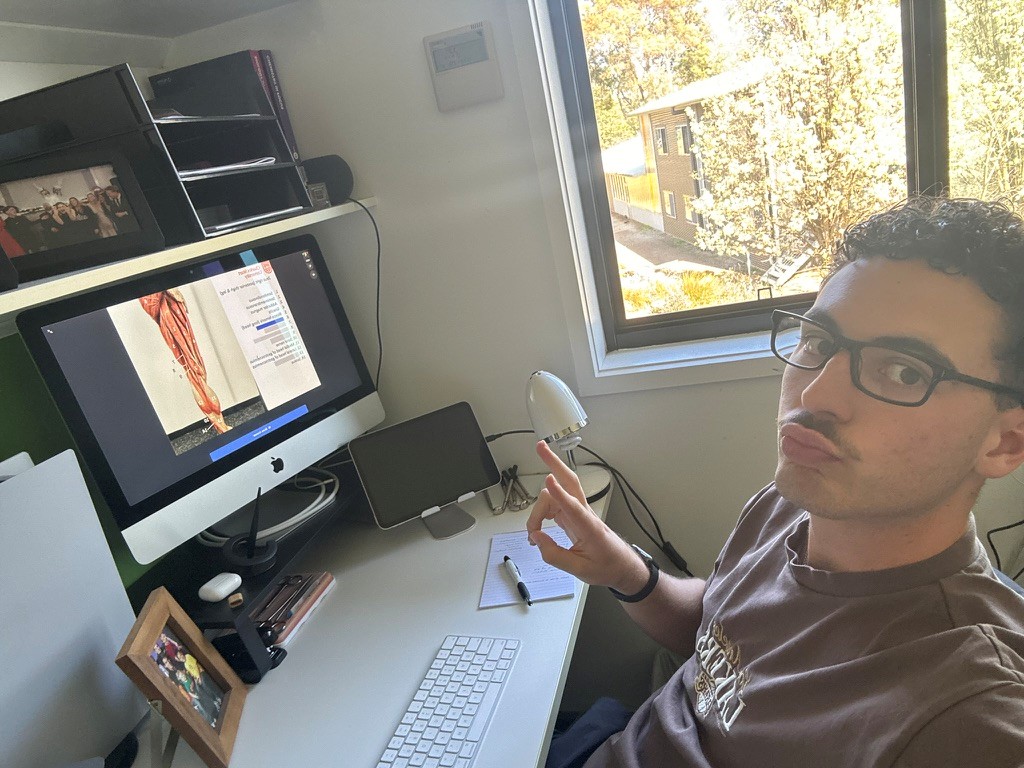
Flashcards are my main survival tool. I treat them like tiny memory workouts. Nothing fancy, nothing aesthetic, just short sharp prompts that force me to recall the important bits. Spaced repetition feels like magic. Ten or twenty minutes a day somehow turns into me confidently remembering the diagnostic criteria for a condition I thought I had forgotten months ago. There is something very satisfying about doing a few cards while waiting for coffee and realising you’re technically studying without suffering.
One of the biggest lessons I learned is that your lecturers and teaching staff are wildly under used resources. They genuinely want you to understand the content. When something in a lecture makes no sense, ask. When a topic feels impossible, ask. The number of times a staff member has explained a concept in two calm sentences after I spent three days melting down over it is honestly embarrassing. Use them. That is what they’re there for.
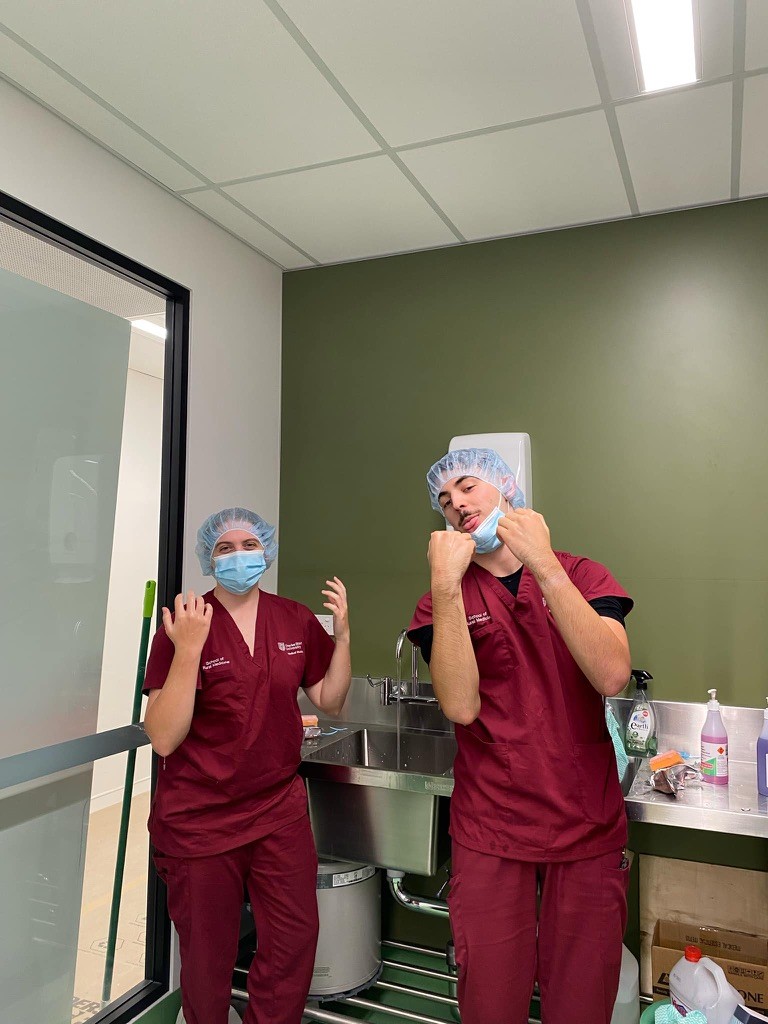
Past student notes are another gift. Every cohort leaves behind their own little treasure chest. Sometimes it’s polished notes, sometimes it’s slightly chaotic brain dumps, but either way it helps you see what actually matters. They give you a sense of scale. They show you what to focus on and what you can safely stop obsessing over. I would never treat them as gospel, but they do help you get unstuck.
Then there are mentors and older students. Nothing beats advice from someone who was in your exact situation twelve months ago. They know what exams look like, what traps to avoid, and what actually works in practice. Talking through cases together or doing clinical skills in a group is one of the fastest ways to expose gaps in your knowledge. It’s painful, but also extremely effective.
The final thing is to look after yourself. Sleep, walk, rest, and be nice to your brain. No amount of grinding replaces a clear head. Cramming doesn’t exist in medicine. The best study system in the world fails if you’re exhausted.
This is what has worked for me. Simple, consistent, a little chaotic, but sustainable.
Charlie blog is a SSAF funded initiative.