
Written by Michelle Porter
I never had any plans to study exercise and sport science. There were other plans and other dreams, some of which I still have, but this was not one of them. But when I returned to yoga during a difficult time in my life, another path emerged for me.
I didn’t see this coming because those early months back at practice weren’t easy. I was often confused about the instructions and a sweaty, shaky mess during the standing postures that formed the peak of the class. The more I practiced, though, the easier and more enjoyable it became.
Fast-forward roughly two years, and I loved yoga so much that I switched to another studio offering lots of different classes to practice as often as I could. And when the studio began promoting its 200-hour yoga teacher training, I found myself applying as I was eager to learn more.
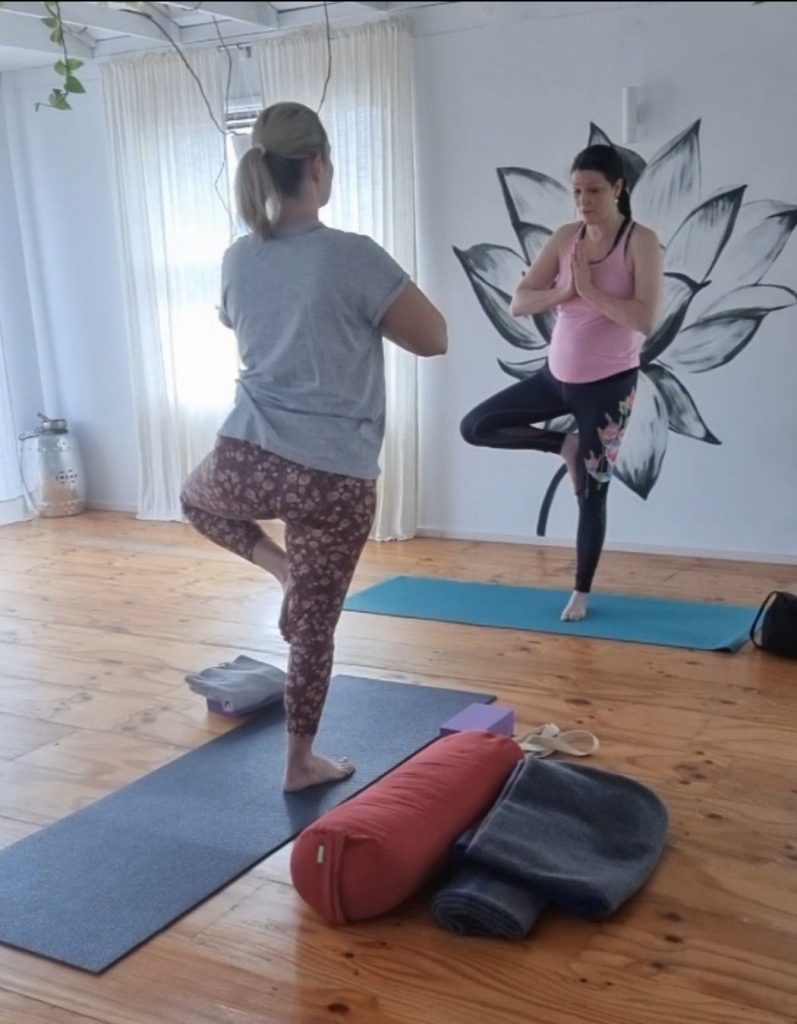
While I had doubts and fears, I pushed through these and the various challenges of the training to become a qualified Hatha Vinyasa yoga teacher.
A couple of months later, I got my first opportunity to cover some classes for one of my instructors at a drug and alcohol treatment facility for women and their children. After the class ended, what surprised me most was the feeling of being useful, along with a strong sense of reward and purpose. I experienced this every time I taught yoga – even as I gained more experience the following year, teaching in parks, and, later, in gyms, studios, and community centres.
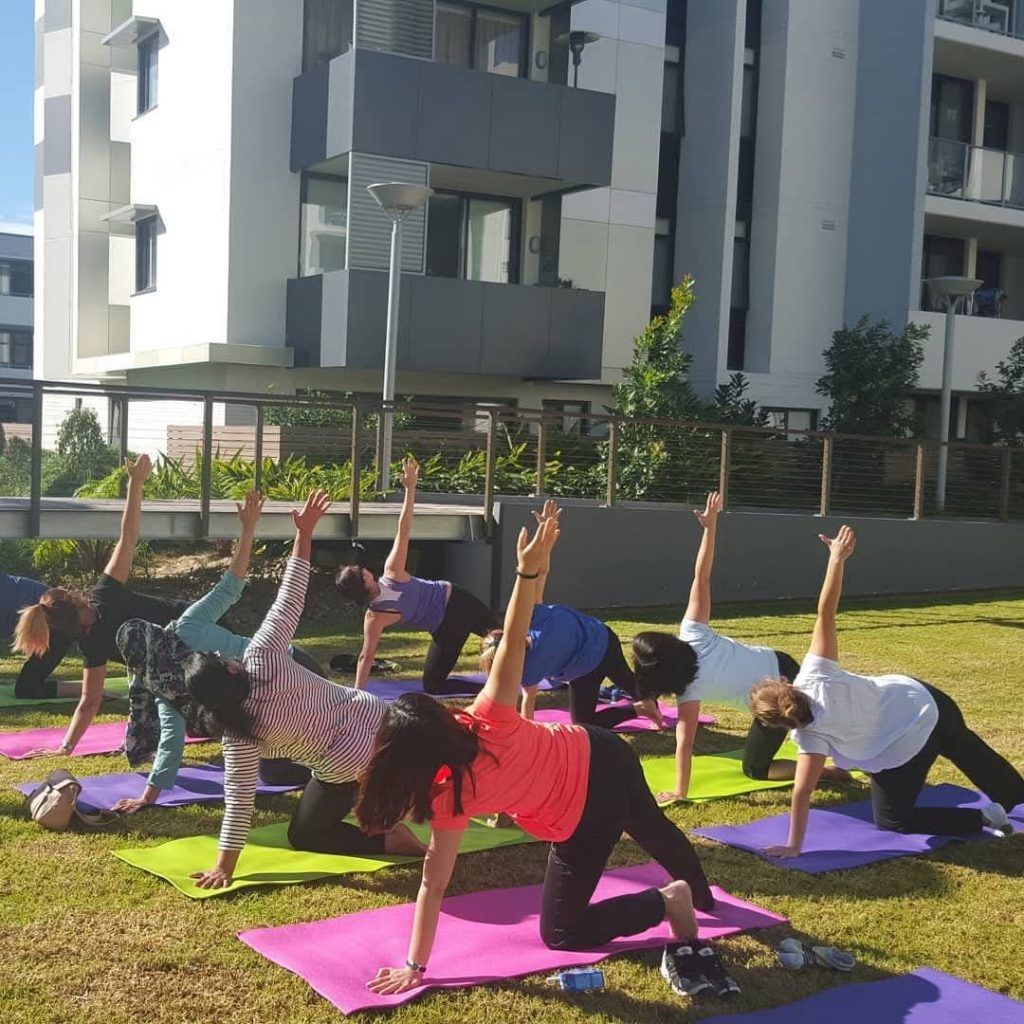
Despite this, there were instances when I was confronted with the limitations of my training and wouldn’t experience those feelings. Occasionally, a student would disclose that they had a specific condition, injury or issue and want advice about managing these during class or at home. Of all these interactions, the one that stands out was a woman who let me know she had Multiple Sclerosis (MS) and asked if there were any postures she should avoid. Despite the many teacher trainings I’d completed, I had not been equipped with the level of knowledge and skills needed to help people with this and other types of diseases or chronic conditions. Unfortunately, the only guidance I could give this woman was to listen to her body and take a variation where one was provided or rest on her mat if she felt anything was too strong, tiring or unstable.
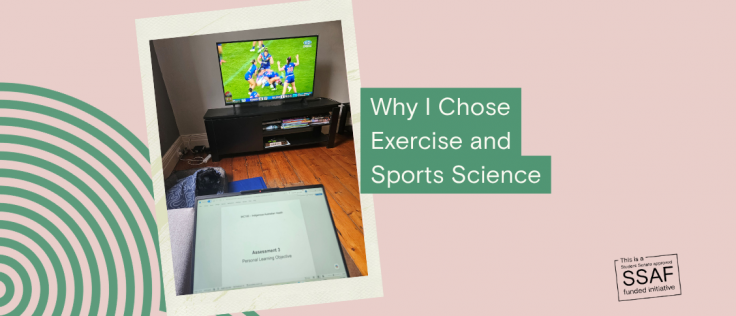
Several years into teaching, I realised I needed more training. While my initial instinct was to find another yoga teacher training, my internet searches weren’t returning what I was looking for. However, I kept receiving search results for the Bachelor of Exercise and Sports Science, including the one offered at Charles Sturt University.
I chose this degree because the online course information showed a comprehensive range of subjects covering physical, mental, social, and cultural aspects of being a skilled exercise professional. These included exercise, health and disease, sport ethics, and Indigenous Australian health.
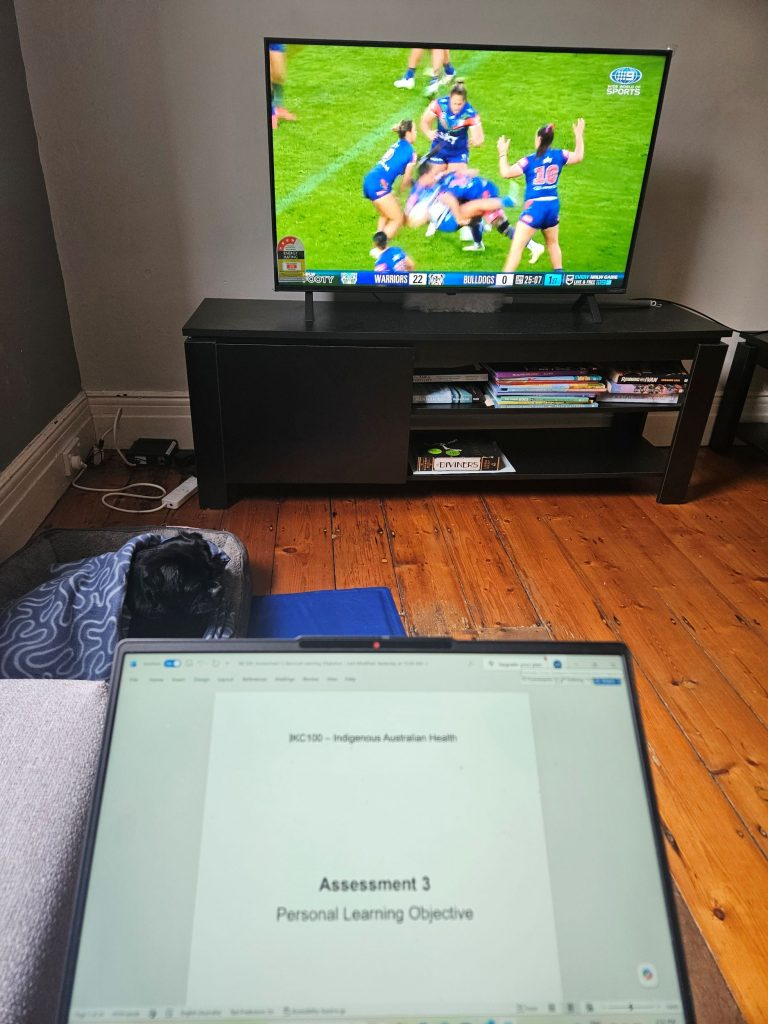
Although I need to complete the Master of Clinical Exercise Physiology to provide exercise programs and prescriptions for people or groups with chronic conditions or injuries, the bachelor’s degree would allow me to start developing the required expertise and skills to effectively assist and support them with varying forms of exercise one day.
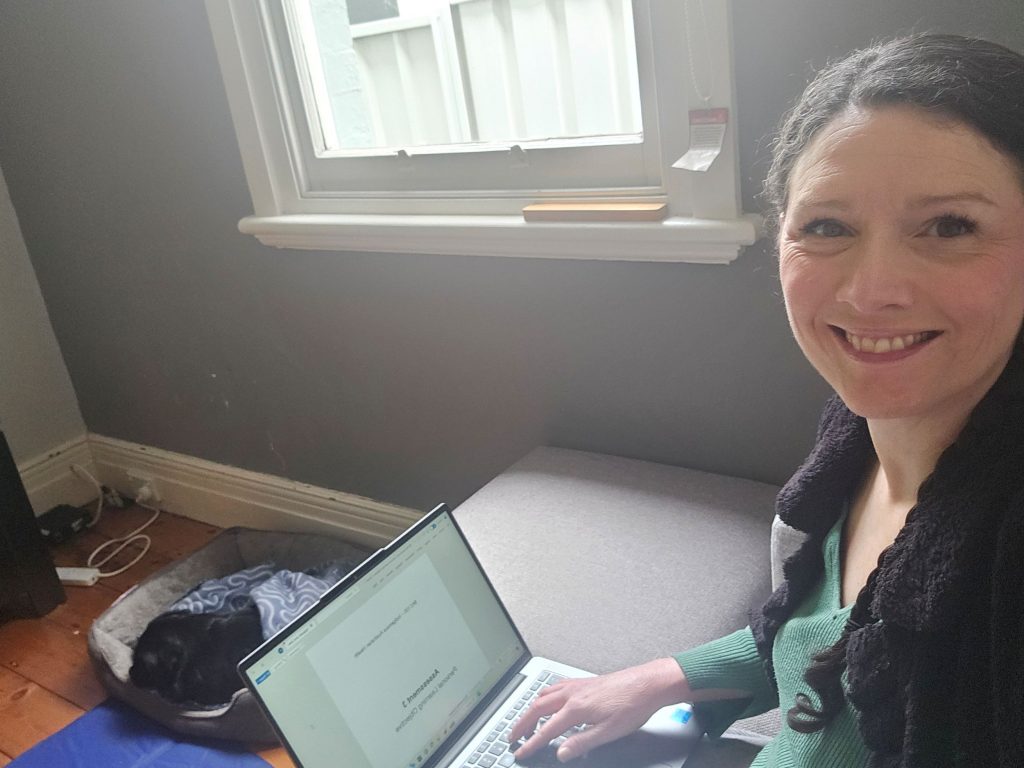
I still have a lot to learn, but perhaps when I encounter another person with MS down the track, I’ll have more knowledge about movements to avoid and those that could be beneficial. Maybe this time, I’ll get that same sense of usefulness, purpose and reward.
Charlie blog is a SSAF initiative.