

Written by Lewis Donaldson
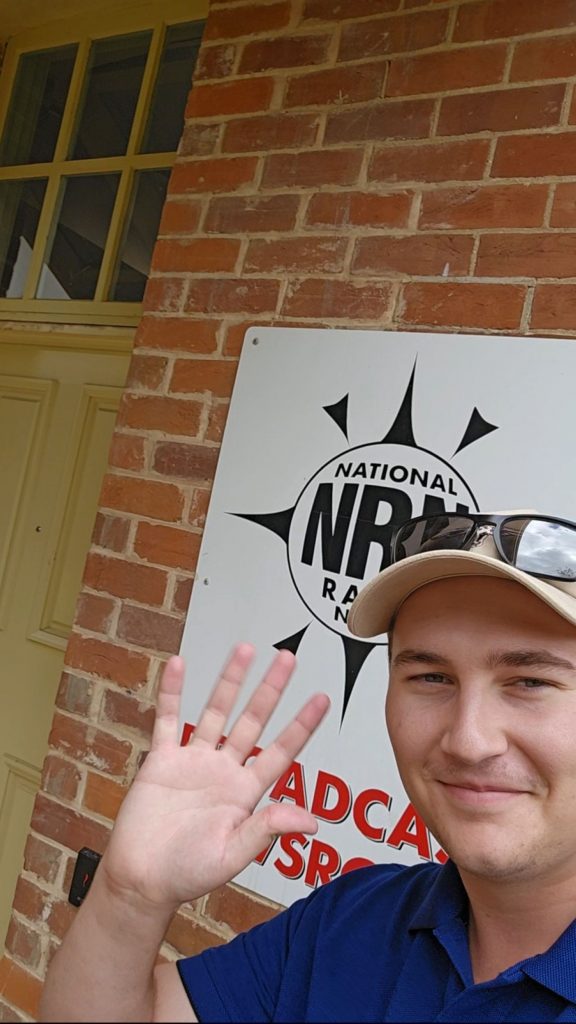
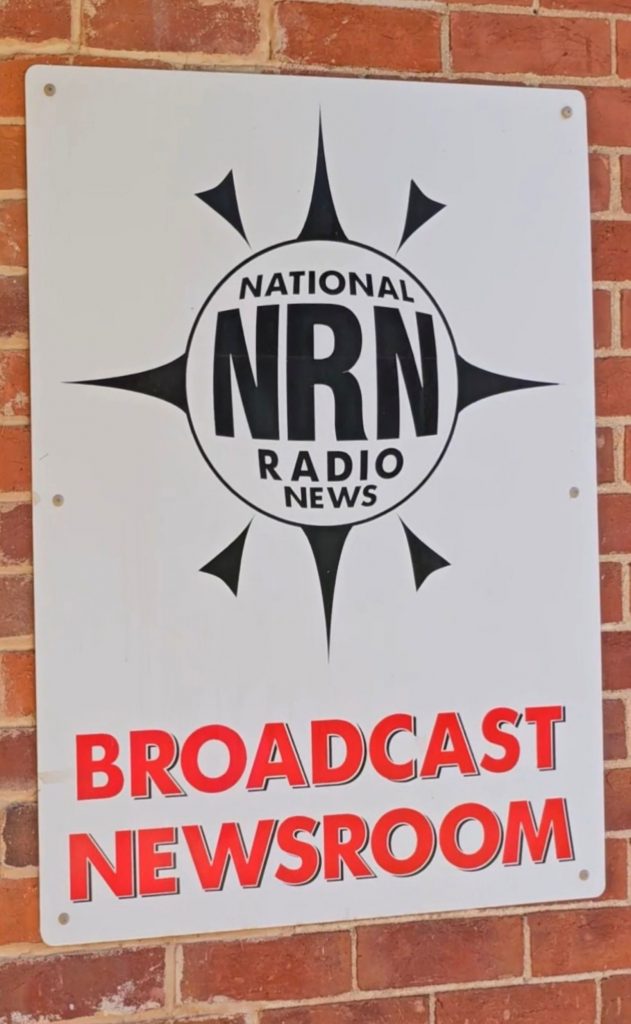
After almost a year in the newsroom with National Radio News in Bathurst, there’s a lot I’ve learnt. Journalists are more than people who just “write the news”. Simply, it’s about unearthing information, checking it, explaining it and sharing it. I’ve learnt this and so much more over the course of my degree so far… here’s some of those things.
1. Confidence from calling
For some, picking up the phone to talk to a stranger is nerve-wracking. And boy was I nervous when I made my first call for an interview.
My heart racing, palms sweaty… “What if they don’t want to talk to me? What if I forget my question? What if I’m not prepared enough!?” But with each conversation it got easier. When you take away their title of ‘CEO’, ‘MP’ or ‘Prime Minister’ (not that I’ve talked to any yet), you realise they’re just people.
Cold-calling soon became something I wasn’t phased about. I could actually listen to what was being said, rather than worrying about my next question.

2. Factchecking
The second is the importance of fact-checking and asking good questions.
Misinformation spreads so easily and it’s crazy how much of what we see in our feeds goes unchecked. People posting content out of context, footage presented as recent (but actually from months or years ago), AI images galore, important facts omitted or just straight-up lies to get a reaction. The list goes on.
As standard practice as a journalist, you learn to check everything. Names, dates, locations, event sequences, pronunciations… Because when even one mistake is made, you undermine trust in the entire bulletin and your audience may simply switch off or walk away. So, accuracy is crucial.
If unsure, it gets double and triple checked. Journalism relies on credibility and credibility relies on verification.
3. Efficiency
The third lesson I’ve learnt is that speed beats perfection.
That doesn’t mean accuracy is sacrificed – facts are always checked – but stories need to be brief, clear and to the point. That follows the “ABC’s” we learn in our classes. Accuracy, brevity and clarity.
Journalists could spend hours polishing a bulletin. Hours they don’t have. Spending too much time on the wording of a single story, means less attention is paid to everything else.
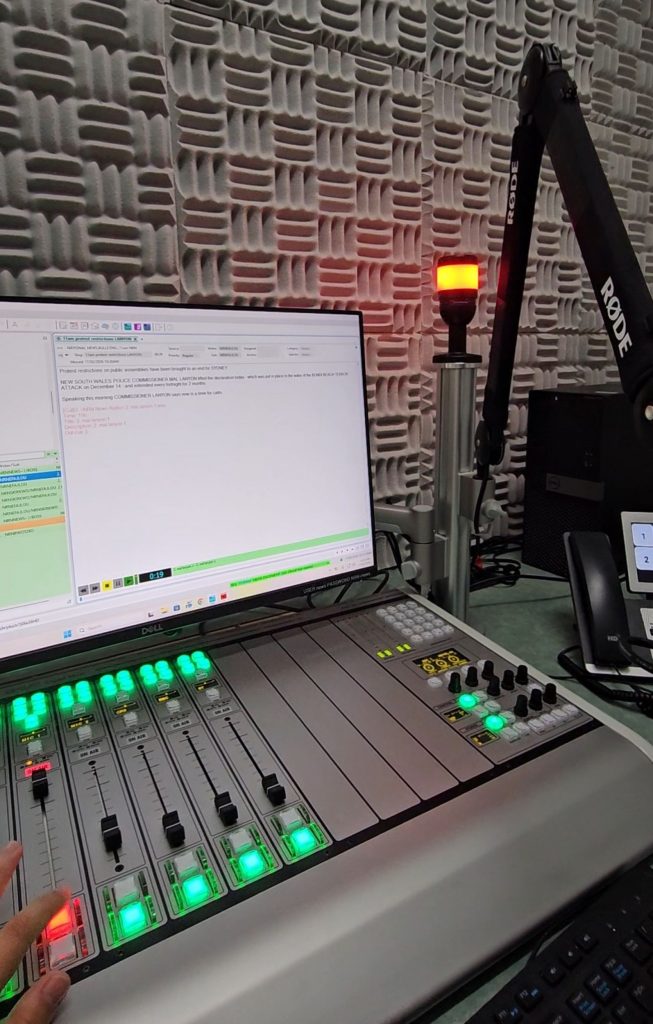
For National Radio News, a news bulletin is broadcast every hour from 6am-7pm weekdays (and until midday on weekends).
Within the hour:
- What’s new needs to be identified
- Running order determined
- Audio needs to be sourced
- Interviews conducted
- Scripts written and edited
- The bulletin voiced, then edited… and finally shared for broadcast
All in all, working in the newsroom has been a very rewarding experience. An experience that has allowed me to pick up the phone with confidence, work more efficiently and ask better questions.
Charlie blog is a SSAF funded initiative.