
Written by Lee McCoid
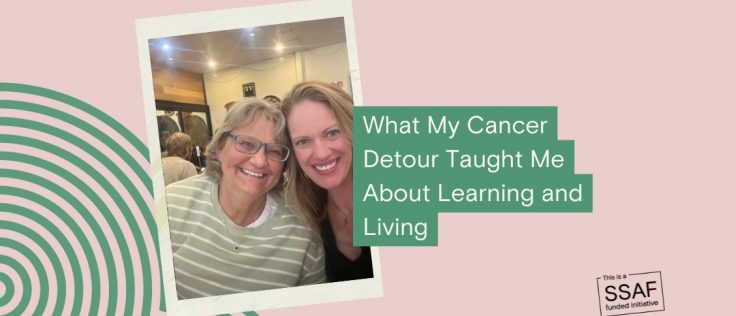
In December 2023, I was diagnosed with breast cancer. Of course, I was frightened, but more than anything, I was frustrated. I was nearing the end of my Bachelor of Educational Studies, which I had begun as a mature-age student after significant planning and commitment. My pathway felt clear: commence my Master of Teaching in 2024 and be fully qualified to teach by 2025. Like many mature-age students, I felt acutely aware of time. Cancer was not something I had allowed space for in that plan.
Most of 2024 was spent in treatment, moving through chemotherapy, a mastectomy and radiation. My studies were paused, my world became smaller, and my focus shifted from achievement to simply getting through each day. Late in 2024, I returned to university and work cautiously, and things have got back on track. As I head into 2026, I now have just two subjects of my Master’s remaining and, most importantly, I have been declared cancer-free.
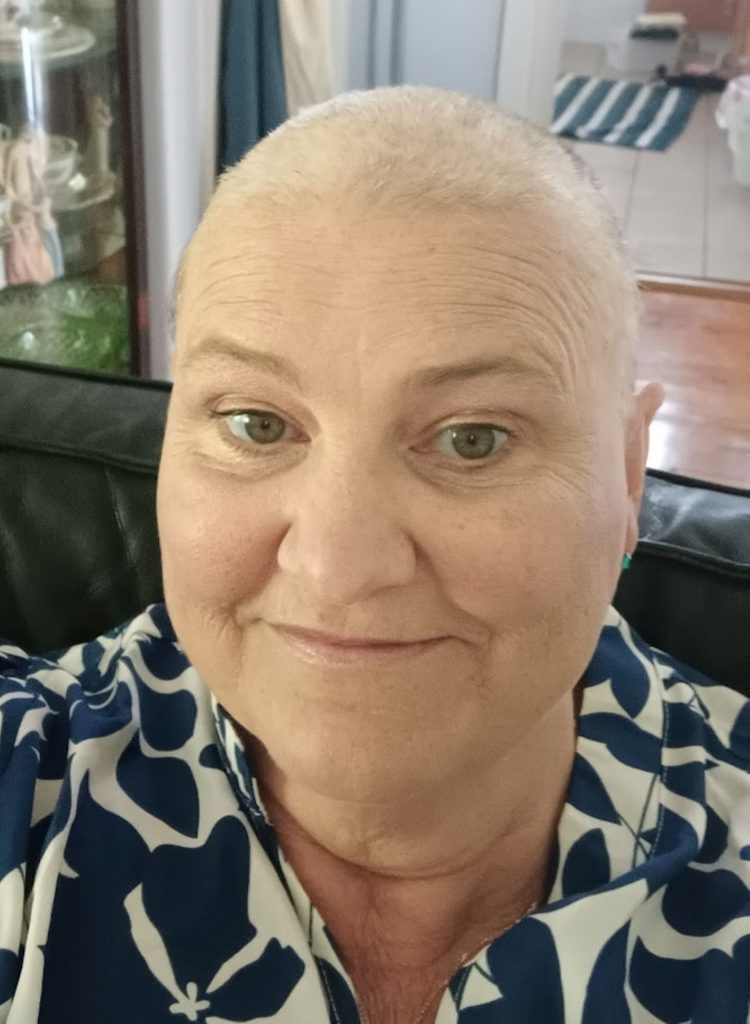
With time and distance from treatment, I have been able to reflect on how profoundly the experience changed me. Before cancer, I often measured my worth by how much I could do for others. I pushed myself constantly, rushing from one responsibility to the next and ignoring the toll it took on my body and mind. Treatment forced me to slow down. My energy is no longer limitless, and I now understand that my time and well-being are valuable. I choose more carefully where I invest them, respecting both my body and my boundaries.
I was once a habitual people-pleaser, rarely saying no, even when I was overwhelmed. Cancer taught me that boundaries are not selfish but necessary. Learning to say no has been empowering; it has allowed me to take back control of my time and to act in ways that reflect self-respect rather than obligation.
Serious illness also has a way of clarifying relationships. Some people showed up with care and consistency in ways I will never forget, while others disappeared into silence. Although confronting, this clarity has ultimately been a gift. I now know who to hold close and where to place my emotional energy.
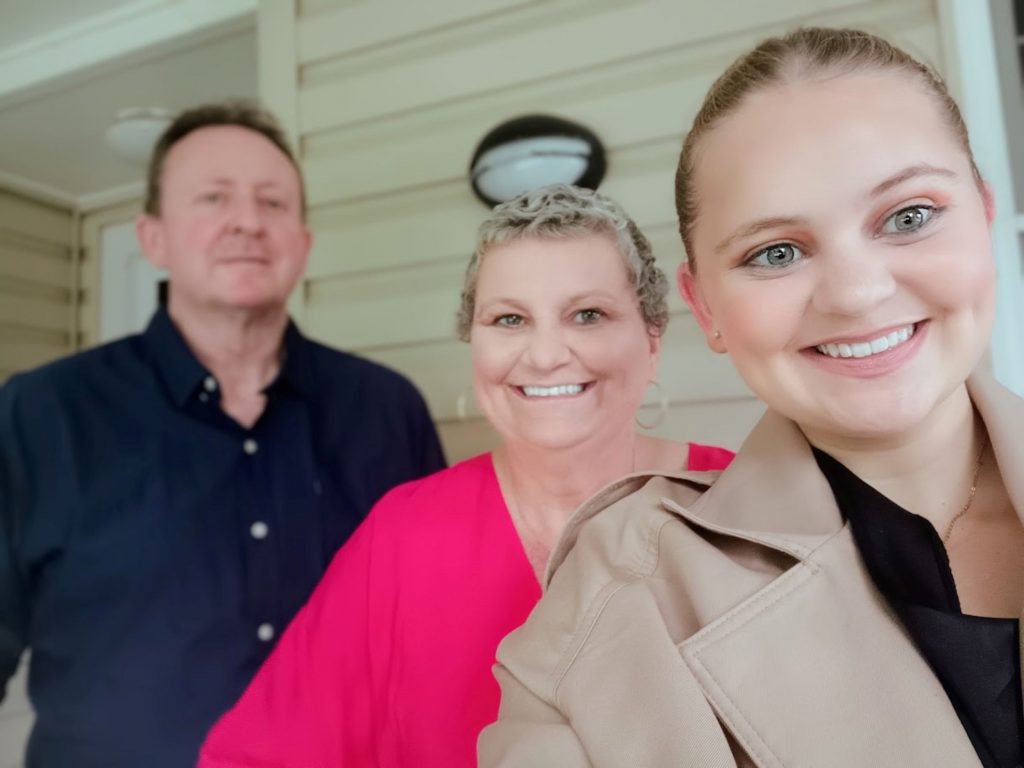
Living through cancer has also deepened my empathy. I am more patient, more understanding, and more aware of the invisible struggles people may be carrying. Having experienced fear, vulnerability and emotional exhaustion firsthand, I try to meet others with kindness and to support them in ways I once may not have recognised as important.
During treatment, worry consumed enormous amounts of energy. Every ache, pain or change felt threatening, and the mental load was exhausting. Over time, I came to understand that constant worry does not change outcomes. Now, I focus on what is within my control and make a conscious effort to release what is not.
Perhaps most significantly, I have developed a deeper appreciation for everyday life. I no longer dwell on negativity or habitual complaining. Instead, I try to notice small moments, practise gratitude, and surround myself with positivity. Life feels more intentional now, less rushed, more grounded, and more meaningful.
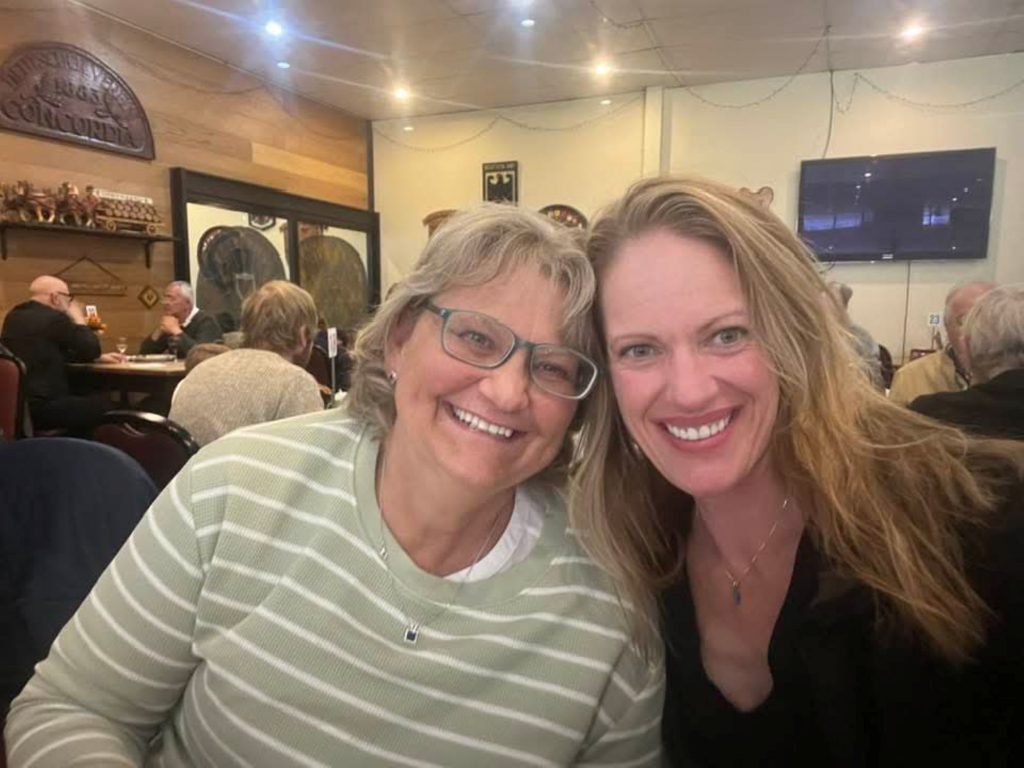
During treatment, I was sometimes low and overwhelmed, and those emotions were real and valid. With time to process what I have been through, I have been able to take the lessons cancer forced upon me and use them to be kinder to myself and those around me. Cancer disrupted my plans, delayed my studies, and tested me in ways I never anticipated, but it also reshaped how I learn, how I work and how I live. As I prepare to complete my teaching qualification, I do so not only with academic knowledge, but with a deeper understanding of resilience, empathy and what truly matters.
Charlie blog is a SSAF funded initiative.