
Written by Fuchsia Branwhite
Ageing isn’t a disability as such, but it certainly makes its presence felt. And being a student in your ‘salad days’ versus being ‘mature age’ are two very different beasts.
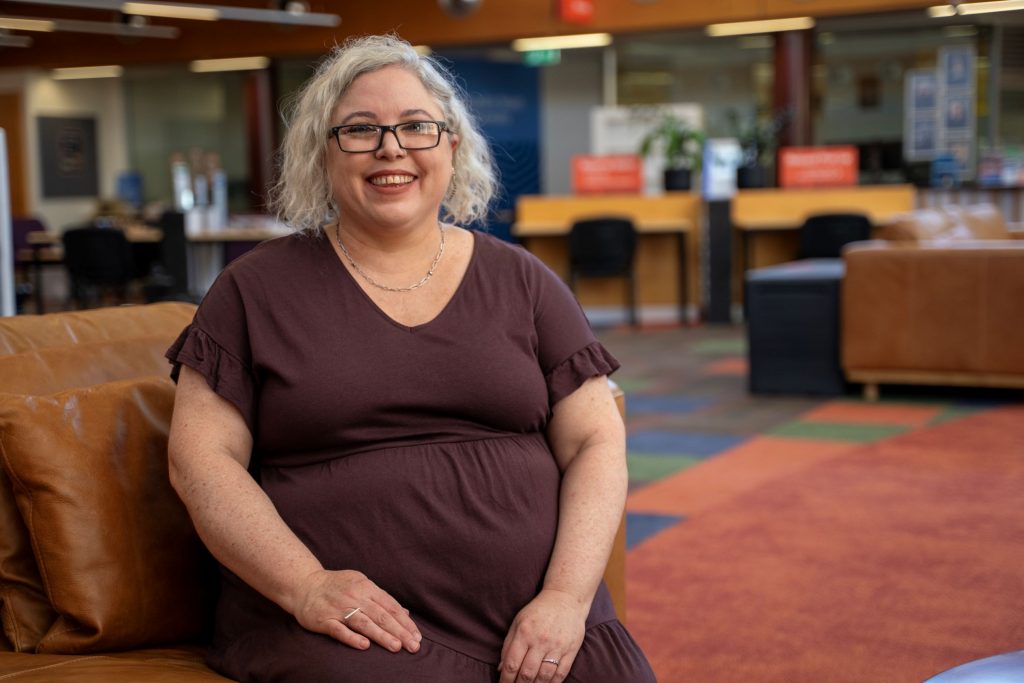
When I decided to begin a Bachelor of Horticulture, part of my thinking was simple: I’m not getting any younger. It made sense to gradually transition from physical gardening work into other roles in the industry that would be less taxing on the body. What I didn’t anticipate was how quickly my physical health would decline over the next few years – to the point where even working at a computer became a challenge.
Some of the health issues that have shaped my life in general, and my study in particular, include chronic pain, major sleep disruption, draining emotional highs and lows, and social isolation. Online study has been a godsend in many ways – accessible from the small country town I live in, and flexible enough to work around unpredictable days – but it hasn’t been without its obstacles.
Chronic pain makes sitting or standing for long periods difficult and can cloud concentration. Sleep disruption makes keeping regular hours hard and often results in exhaustion. Emotional dysregulation can amplify the built-in boom-and-bust cycle of the academic year. Social isolation, too, can quietly function as a health issue. It’s sometimes a fine line between being a strong, independent woman and making life harder than it needs to be through stubborn solitude.
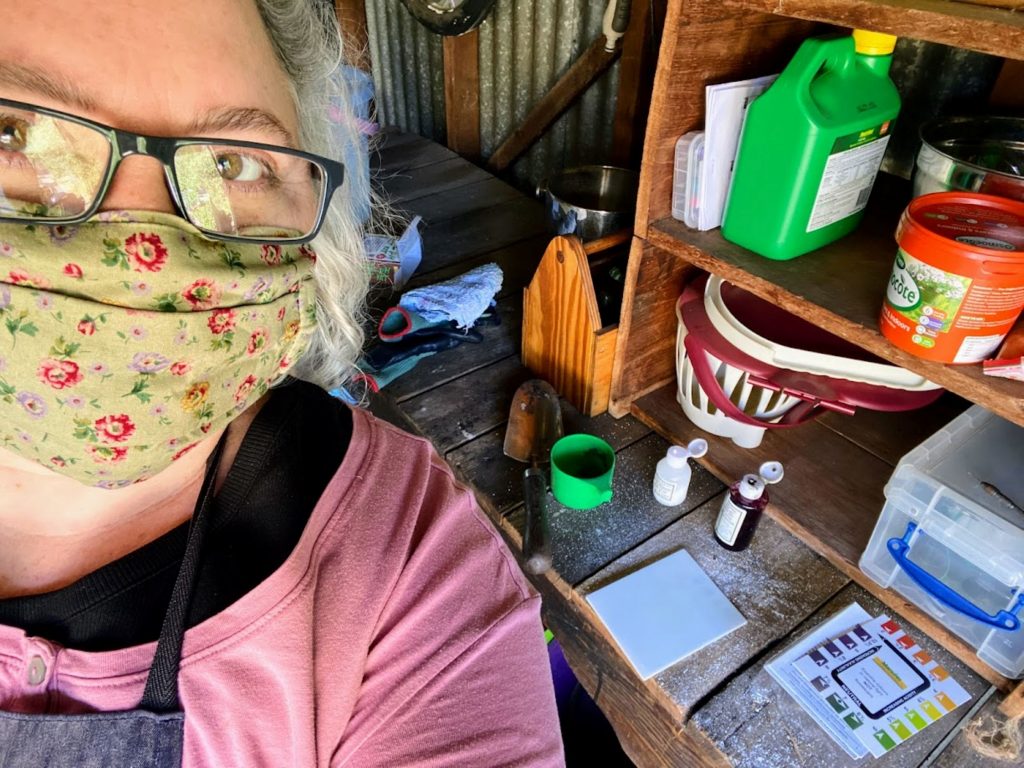
In my first year, I didn’t really know what support might be available through the university. Like many students, I mostly struggled through alone. But there’s nothing like hitting rock bottom to wake you up. Once I realised the stoic-struggler method wasn’t sustainable – and might even jeopardise my degree – I knew I needed to explore formal support.
I started by searching the Student Portal and speaking with a trusted lecturer who had previously shown compassion when I mentioned some challenges in passing. Eventually, I connected with the Accessibility and Inclusion team, as well as Student Counselling.
Accessibility and Inclusion arranged practical adjustments, including extra time for assessments. They also provided access to assistive technology that allowed me to stand, stretch and manage pain while the software took notes for me. Movement matters – and long hours at a screen can be a health challenge in and of itself – so this made an immediate difference.
Later, a scholarship helped me purchase additional technology that completely transformed the way I study. Instead of wrestling with dense blocks of text-based notes, I could create visual mind maps and revise by looking at structured, colourful overviews. For my learning style, seeing concepts laid out visually rather than line-by-line was a genuine game changer.
Student Counselling has also played an important role. Through regular video sessions with a fantastic counsellor, I’ve gained emotional support and practical tools – from setting more realistic expectations of myself to (mostly!) avoiding the enticing lure of fascinating but ultimately unproductive rabbit holes.
I still have significant hurdles ahead: intellectually demanding subjects, financial constraints, and compulsory Intensive Schools that require travel and fixed schedules. I don’t have all the answers yet. But maintaining a current GPA of 6.4/7 gives me confidence that, with the right support, I can continue seeking ways forward.
For my fellow students: if study feels harder than it should, please consider exploring the support available at CSU. Don’t wait until you’re overwhelmed to reach out. There is strength in numbers, and real power in collaboration. When more of us are open about our needs, we reduce stigma and increase understanding across the community. A level playing field is not ‘special treatment’. And sometimes, with the right adjustments, our challenges can become unexpected strengths – a little academic alchemy.

We’d love your feedback on accessibility and inclusion at Charles Sturt. We want to remove physical and digital barriers to improve access for on-campus and online students and staff with disability and access needs. Your feedback can help shape priorities and actions for the future of our university. Plus there’s even some $50 vouchers up for grabs for participating! Click here to visit the Consultation Hub to join a workshop, complete a short survey or add a post to the Ideas Wall. Let’s help make Charles Sturt more accessible and inclusive for all.
Charlie blog is a SSAF funded initiative.