

Written by Quinn Lyons
Three years into my degree at Charles Sturt and I think that if unplanned hospital trips were a subject, I’d definitely have a HD locked and loaded by now.
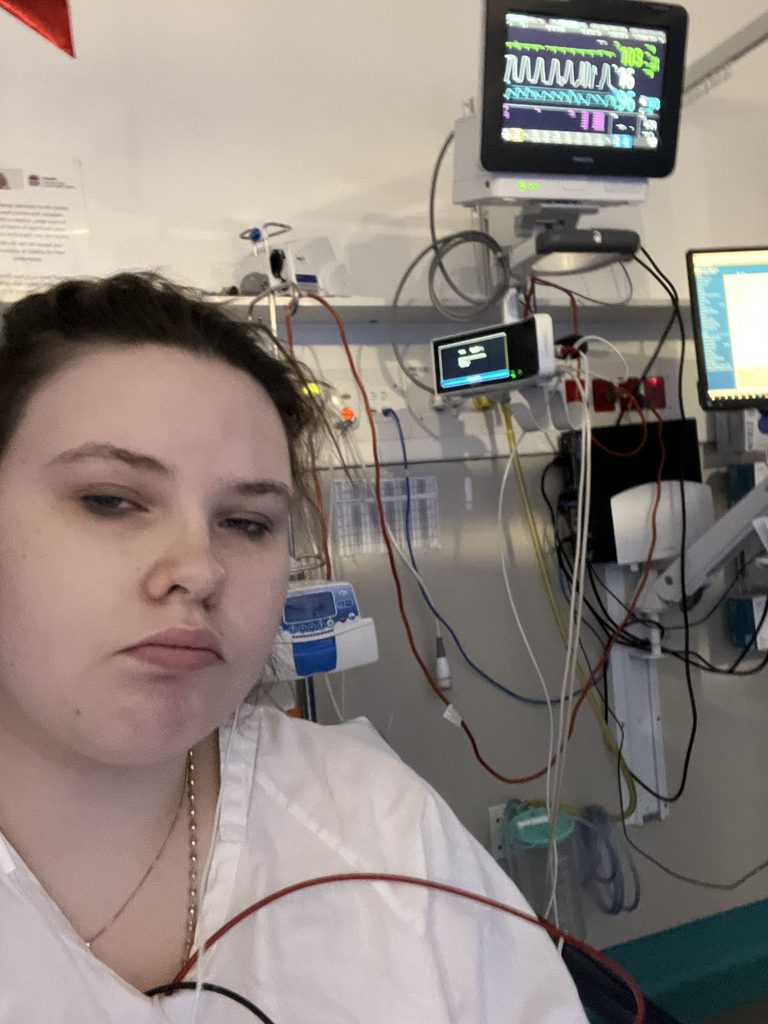
So, there is one thing nobody tells you about studying full-time while your body is quietly staging a coup against you: The assessments don’t care. I’ve been shipped off to ED the night before a due date way too many times. Every time, the verdict was the same, just with different words: “So, something isn’t right, but we don’t know what it is, so go home and rest. Come back if it happens again.” Over and over and over again. Like, that’s cool man. Super helpful. I’ll just rest my way through this 3,000-word biomechanics lab report, then.
Whoever came up with the automatic 7-day extension, God bless you and I owe you so many fruit baskets!
About halfway through my second year, they came up with a working theory: IBS, which, in hindsight, was a polite way of saying, “We can see you have all these symptoms and there is something wrong; we just don’t have the right tool to find it yet, so here is a very restrictive diet that we found works … some of the time.”
That diagnosis became my verbal medical shrug emoji in my head🤷🏻♀️.
Three years, several diet changes, and one very committed “IBS” diagnosis later, plot twist: IBS was still not the answer. It was insulin resistance, PCOS’s less famous but equally chaotic sidekick.
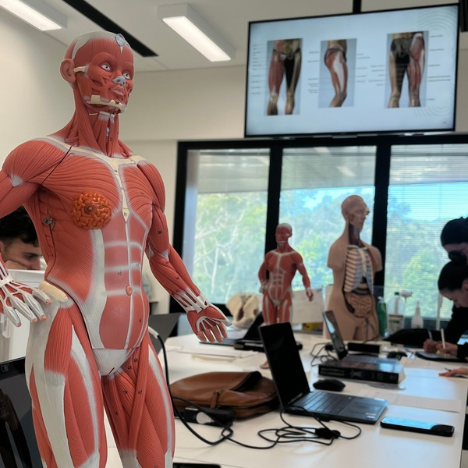
There was no dramatic Gray’s Anatomy background music, just a very simple answer I probably googled approximately 400 times (don’t self-diagnose kids). But hey, after three years of “we’re not sure”, we finally got the “hey, we worked it out!” I felt like I’d won a very specific, very niche medical lottery, but still.
So, if you’re currently living through your own ‘medical game of telephone’, you’re not imagining it, you are not being dramatic, and you are absolutely not alone.
Here are a few tips that help me (and they may help you too):
1. Keep a symptom diary!!! Dates, symptoms, what you ate, how you felt.
It turns the “I just don’t feel right” into actual data that makes it much harder for doctors to shrug off.
2. Ask for copies of EVERY TEST and don’t be afraid to ask “Okay, so what’s next?”
Every time you’re sent home with no answer, you’re allowed to be annoyed or even upset, but keep coming back with records. It’s your body, not theirs. YOU DESERVE TO FEEL HEALTHY IN YOUR OWN BODY!!

3. Lean on your people!
Whether it’s friends from class sending you their notes when you’re in ED instead of a lecture, a housemate who knows the drill by now, or even your local headspace, having people in your corner makes a difference. I’m holding your hand when I say this … you do NOT need to white-knuckle this alone.
I wouldn’t have survived my second year without my classmates, my roommates, 7-day extensions and a little bit of help from headspace.
4. Please, for the love of all that is sacred, do not self-diagnose off Google at 2am or any time for that matter.
Use the information to advocate for yourself in appointments, but don’t replace the appointment.
Lastly, always remember that you’re never alone.
Lots of love and laughs, Quinny.
Charles Sturt offer students an array of FREE, immediate and long-term support services including confidential counselling, a 24/7 wellbeing support line, accessibility and inclusion, neurodiversity, wellbeing support and more. Find the full list of personal support here.
Charlie blog is a SSAF initiative.