
Written by Miriam Randall
Abstract
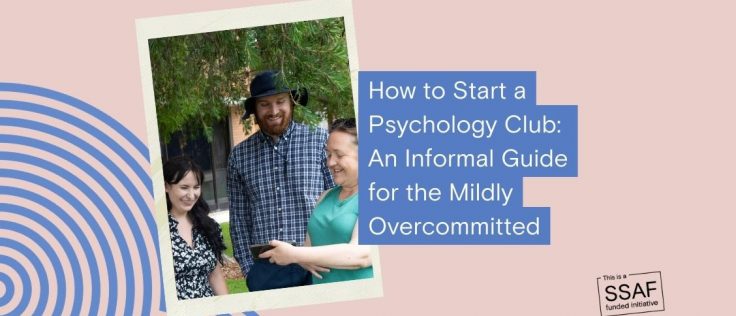
This informal, tongue-in-cheek investigation explores how one student unintentionally founded and continued to lead a university Psychology Club. Findings suggest that a spontaneous suggestion from a lecturer, combined with caffeine, optimism, and minimal impulse control, can result in multi-year leadership positions. Outcomes include increased student engagement, strengthened community belonging, and a surprising ability to run events while maintaining passing grades.
Hypothesis
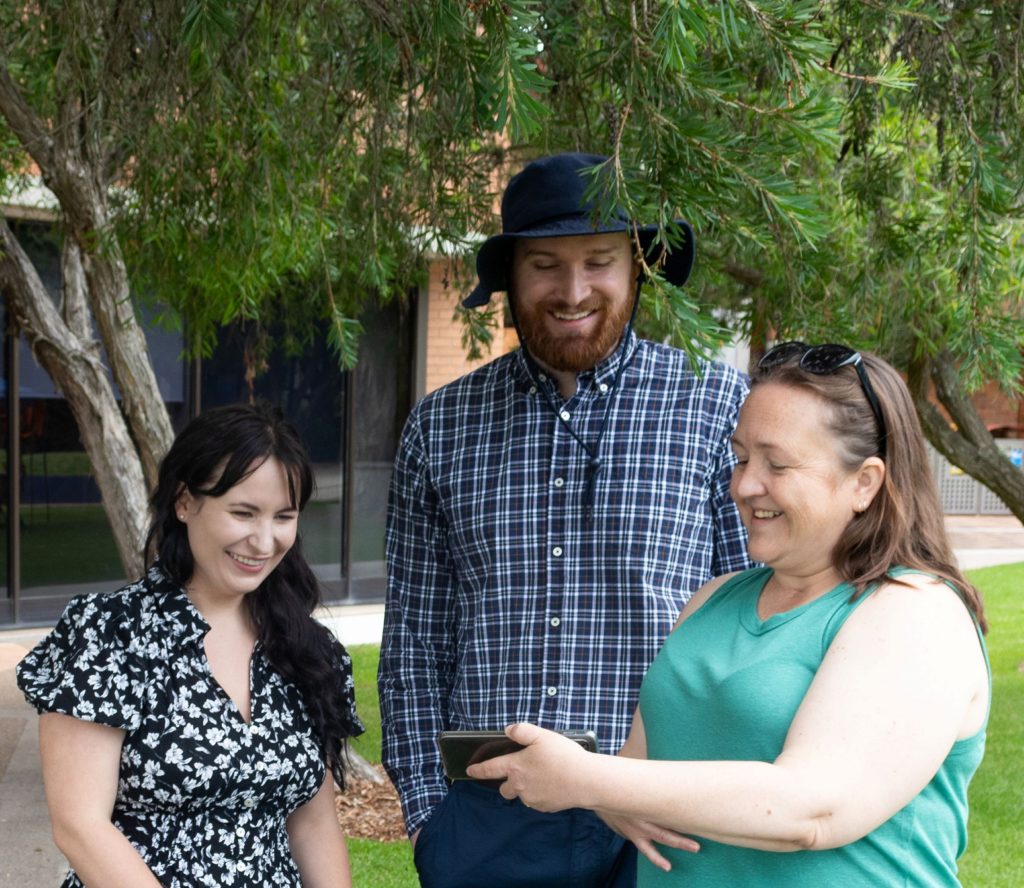
If a psychology student is given genuine support, a nudge of confidence, and a steady caffeine supply, then a successful and enthusiastic Psychology Club is likely to materialise.
Introduction
The psychology student population is unique: dispersed, sleep-deprived, motivated, and occasionally found rereading rubrics in a state of existential confusion. Though capable of writing lengthy essays on human connection, psychology students often struggle to connect with actual humans.
This investigation began when the researcher (me) was sitting in a second-year tutorial with Dr Josh Kelson, minding her own business, when he casually suggested:
“Mim, you should start a psychology club.”
Any rational person would treat this as a light comment.
I, however, powered by caffeine and blind enthusiasm, thought:
“Excellent idea.”
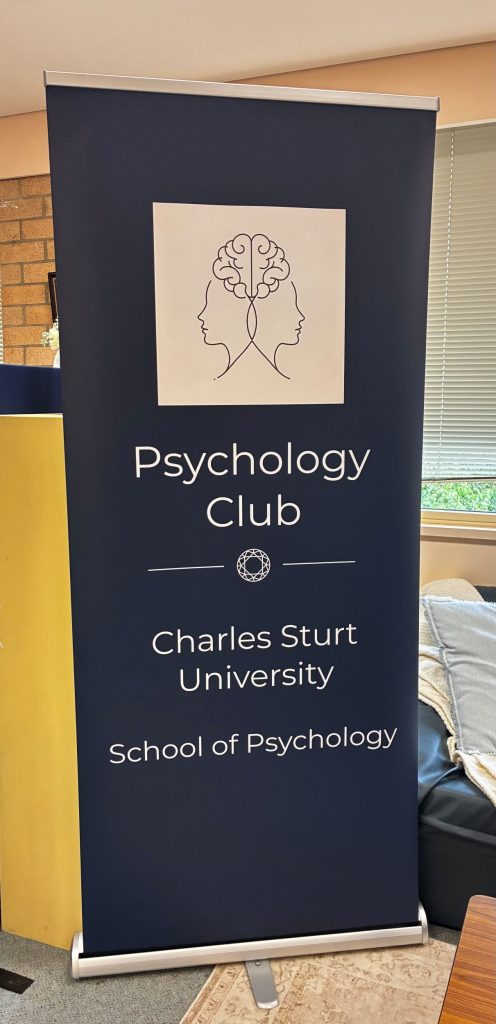
And thus, the club began.
Method
This study used a multi-phase, wildly unplanned data collection process involving:
- Paperwork – was more straightforward than anticipated.
- Caffeine intake – somewhat above suggested daily limits
- Enthusiasm– high
- Emailing academic staff with confidence and positivity
The School of Psychology demonstrated unfaltering support, positivity, and zero discouragement. At no point did they question the researcher’s decision-making. This unexpected faith contributed significantly to the club’s successful formation.
With this institutional backing, and a growing cohort of students equally eager for connection, community, and snacks, the Psychology Club officially took shape.
Results
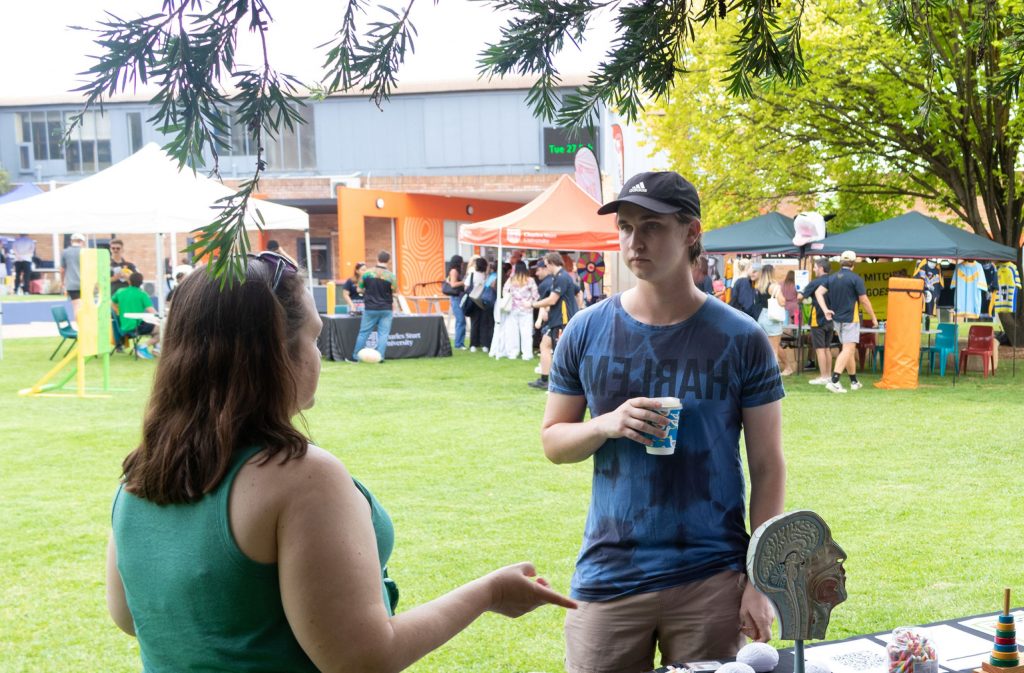
The Psychology Club rapidly evolved into a thriving, mildly chaotic community offering:
- Pizza nights: foundational to Maslow’s hierarchy
- Guest workshops: where professionalism is performed convincingly
- Study sessions: combining productivity, existential crisis, and mutual reassurance
- Social meetups: ideal for practising those interpersonal skills we insist we have
- Weekly wellbeing posts: essential reminders to breathe during exam season
The result?
A student community that feels supported, connected, and only marginally overwhelmed, consistent with the baseline psychology-student experience.
Discussion
Findings suggest that starting a psychology club requires:
- one enthusiastic student
- one supportive lecturer
- future planning
- snacks
The researcher’s decision to start a club yielded unexpectedly positive outcomes: friendships, a strengthened sense of belonging across campuses, and a community that continues to grow stronger each year.
It is noteworthy that the researcher began this journey as a second-year undergraduate and is now a master’s student, still running the same club, and still loving it.
Future projections indicate:
- club polo shirts
- more events tailored for online and on-campus members
- continuing efforts to unite psychology students everywhere
Conclusion
This entirely unofficial report concludes that accidentally founding a Psychology Club may, against all logic, become one of the most joyful and suspiciously meaningful experiences of university life.
Charlie blog is a SSAF funded initiative.