

Written by Theresa Arden
If you’ve ever said “no stress, you’ve got this” while quietly Googling the answer yourself… congratulations. You’re already practising leadership.
And honestly, that’s how most of it starts.
Here’s something worth saying out loud: every mentor in the Uni Foundations program at Charles Sturt University has been there. We’ve all felt the stress, the confusion, and the quiet “am I actually cut out for this?” moments. We’ve all stared at the student portal wondering why it needs so many tabs. We’ve all had weeks where Uni felt like a lot, and at some point seriously considered throwing the whole thing in. None of us arrived magically organised or emotionally unbothered… we just kept going.

When I started my degree three years ago, I didn’t have a mentoring program like this. There were times I genuinely felt out of my depth, unsure who to ask, and very close to walking away when things felt overwhelming. That experience is a big part of why mentoring matters so much to me now. I know how powerful it is to have someone simply say, “You’re not alone — and this part really is hard.”
That’s where mentoring quietly becomes leadership.
Leadership doesn’t start with a title or a LinkedIn headline. It starts in small, very human moments: helping someone find the right link, talking through an assessment panic, or reminding them that feeling overwhelmed in Week 2 is basically a university tradition. These moments might seem small, but they’re where real leadership skills begin to form.
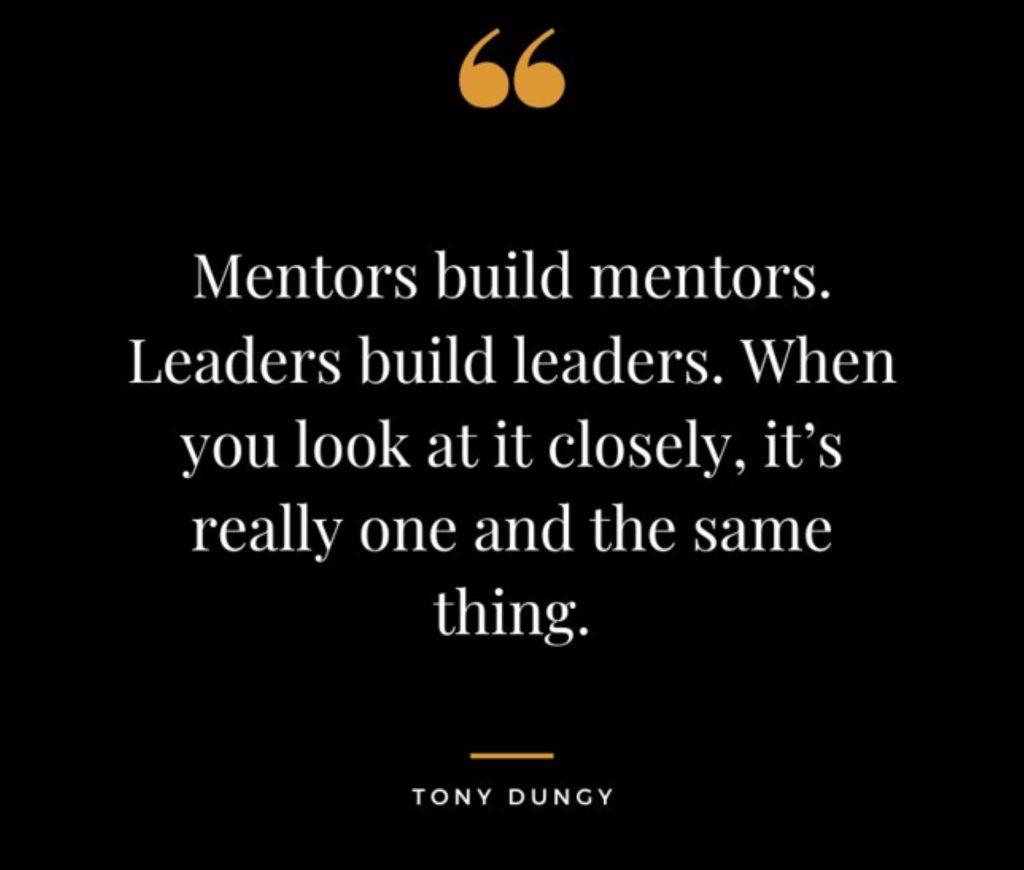
Mentoring teaches you how to communicate in ways that actually land. You learn that explaining something once doesn’t mean it makes sense straight away. People process information differently, especially when they’re stressed or new. You learn how to reword things, slow down, check in, and listen properly, not just wait for your turn to talk. You also learn when to step in and when to step back, letting someone work things out for themselves. That balance? That’s management training, whether you call it that or not.
It also quietly builds networking skills, not the awkward business-card kind, but the useful kind. You start to know who to contact, where to send someone for extra support, and how to connect people with the right help. Before you realise it, you’re the person others go to when they’re stuck. Slightly terrifying. Weirdly empowering.
And in a world full of AI tools, auto-answers and instant solutions, mentoring is a reminder that human stuff still matters. Empathy. Patience. Reassurance. Saying, “Yep, I’ve been there.” Those things can’t be automated.
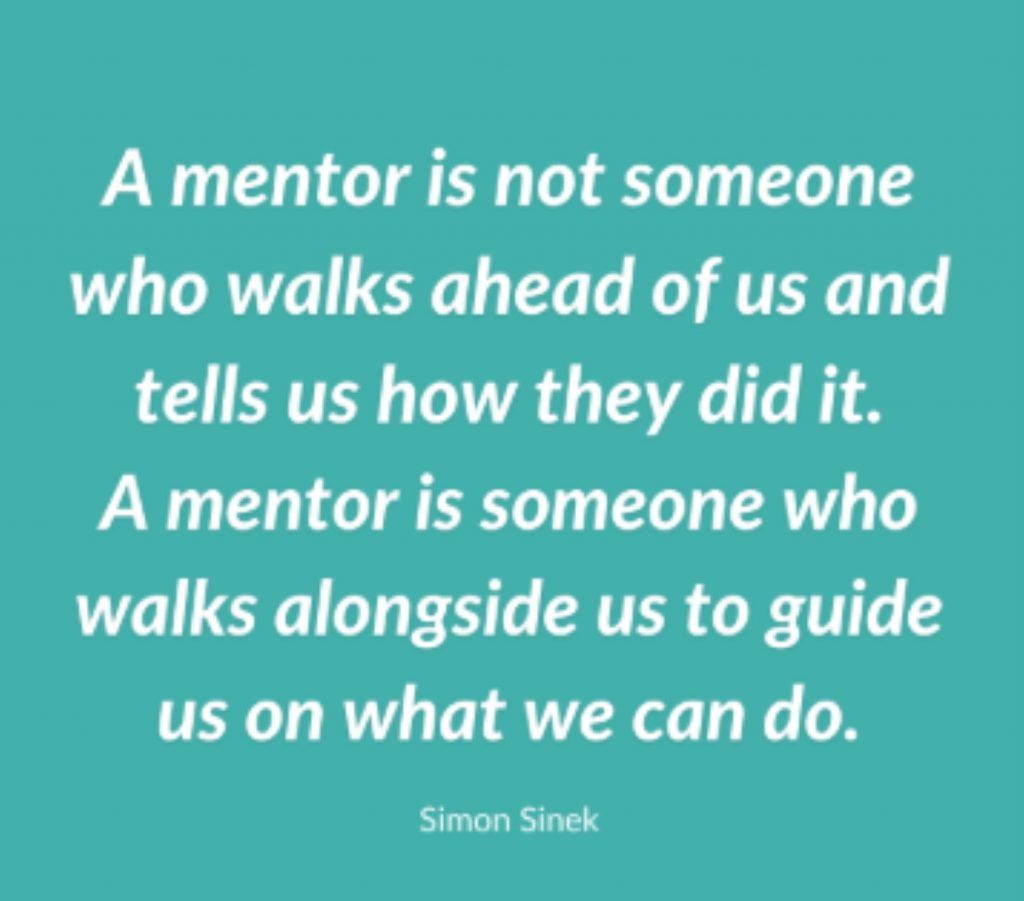
So, if you’re mentoring and wondering whether it really counts as leadership experience, it absolutely does. You’re building communication, coaching and connection skills in a low-pressure, very human way. You’re learning the same skills managers use every day… just with fewer meetings and better vibes.

And if you’ve ever helped someone through a rough Uni moment and thought, “Huh… I might actually be good at this,” don’t be surprised — leadership has a funny way of sneaking up on you when you least expect it.
Click here to learn more about the mentorship programs at Charles Sturt!
Charlie blog is a SSAF funded initiative.