
Written by Lucinda Evatt
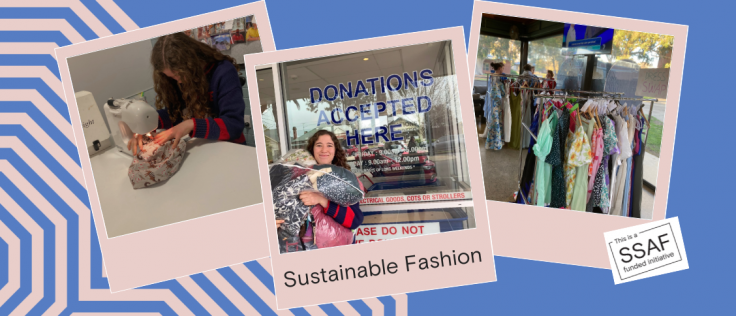
September is the month of dress ups here in Wagga, may that be for balls, parties, races, presentation nights or the like. At uni, when the budget is low and the stress levels are high, I too can be tempted to seek out some retail therapy relief by jumping online, browsing the latest looks and buying cheap, new outfits. However, the reality of fast fashion sets in, with garments sitting idly in your wardrobe as neither their trendiness nor quality has lasted.
With a reported 200, 000 tonnes of textiles being sent to Australian landfill in 2024 (Seamless, 2024), sustainability in the fast fashion industry is of ever-increasing importance. While accountability from retailers and brands is critical to see systemic change toward more environmentally conscious practices on an industry-level, the individual too must acknowledge their role as consumers. The figures speak for themselves; in 2024 the average Australian purchased 55 new items of clothing.
So, what can we do?
I present to you: slow fashion, which put simply is the opposite of fast fashion. It involves consideration of the processes and resources required to manufacture clothes, an emphasis on ethical production and environmental responsibility, and a mindset shift of clothing being an investment rather than a throwaway hobby.
Here are a few ways I practice slow fashion, and I encourage everyone to give them a go, to move away from trends and impulse buying, to instead, embrace timeless designs and mindful consumption.
- Share your clothes with friends
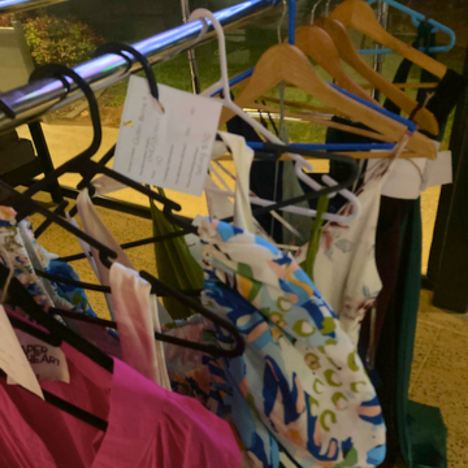
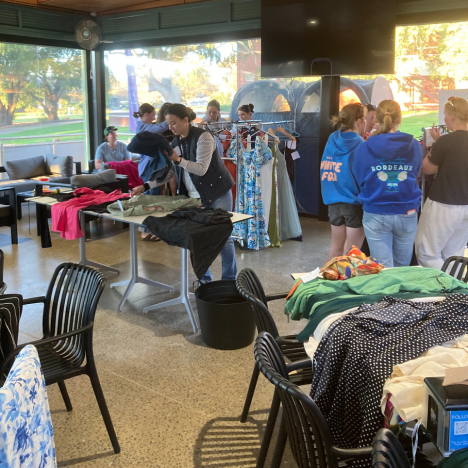
Swap out racks of new looks at the store for the wardrobe of a friend! Or, even better, get involved in local clothes swap events, such as the dress swap recently held here at the Wagga Wagga campus.
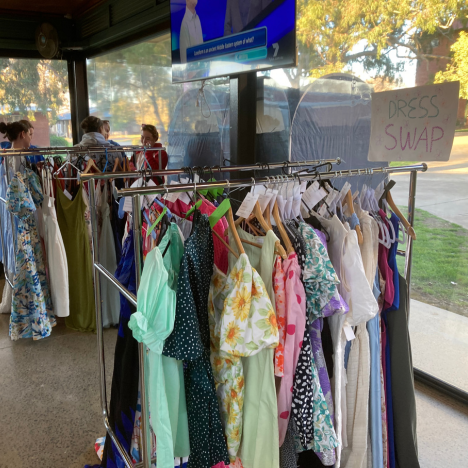
Sharing clothes is a great way to pick up clothes you otherwise may not have picked out for yourself, give your outfits extra love as well as save a bit of money. You can’t lose!!
2. Shop local and support small businesses
The benefits of supporting Australian brands and ethical fashion by buying local are countless! For example, it ensures greater traceability of the items production; the garment is more meaningful therefore more individually valuable, the quality tends to be better; and it helps foster innovation and creativity within your community.
3. Visit the local op shops
Op shops are a great way to pass on clothes to new homes that may no longer fit.
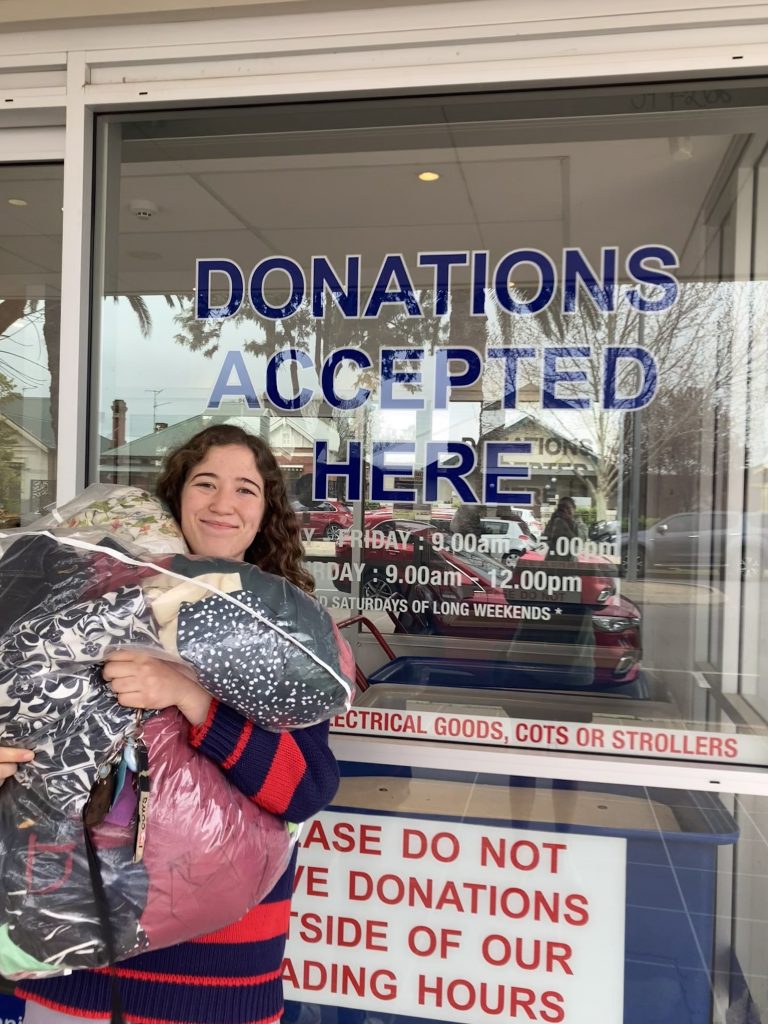
Furthermore, by shopping second-hand, you do not contribute directly to the garment’s production. For this reason, you minimise impact to the areas affected by clothing production, including animal ethics, sustainability and health. In Wagga, my personal favourites now are Salvos on Forsyth Street, and the Generosity Op Shop on Lake Albert Road!
4. Shop your own wardrobe
Often, we forget the great variety of outfit options we already own! Make a game out of it and invite some friends over to make up an outfit from your wardrobe. You’ll start to see the different ways your clothes can be worn and valued even more!
5. Repurpose and upcycle
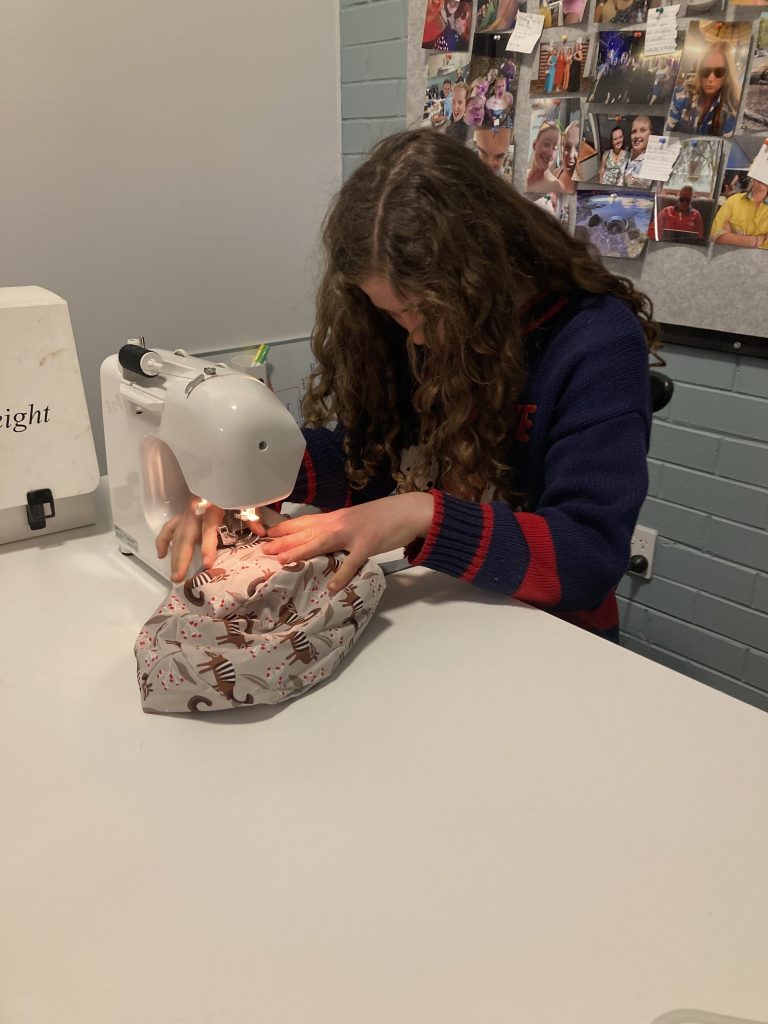
Mending and altering are the superpowers of slow fashion, and it is a skill that you’ll quickly reap the rewards of! Learning to sew can be as simple as making small adjustments so you’re more comfortable in your clothes, to something extravagant like redesigning the item entirely. Extend past the barrier of what’s immediately in front of you and see the potential of the garment to have another life as an item you will love. Additionally, fabric scraps remaining can become a tool of your imagination (hello scrub caps!).
There are also some great Sustainable Fashion ideas from Clean up Australia which you can access using the following link: Fast Fashion.
Charlie blog is a SSAF initiative.