

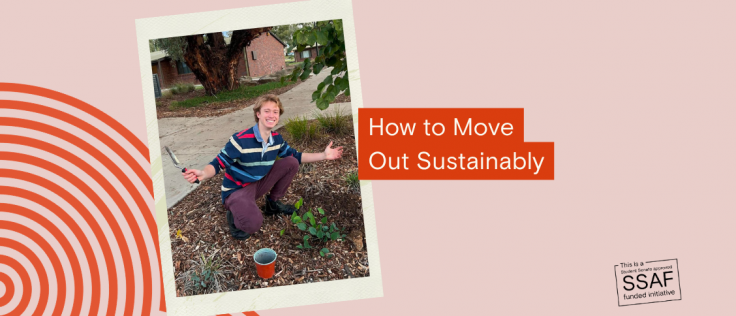
Written by Xander Halverson
Moving out is the period of the year when the most unnecessary waste is generated on university campuses. While Charles Sturt continues to commit itself to making this process as sustainable as possible, it is individual students making the conscious choice to reduce their waste who create the largest impact. The purpose of this piece is to give you all the information you could need to plan your move-out sustainably this year and hopefully to give you some tools to be more sustainable in all aspects of your life.
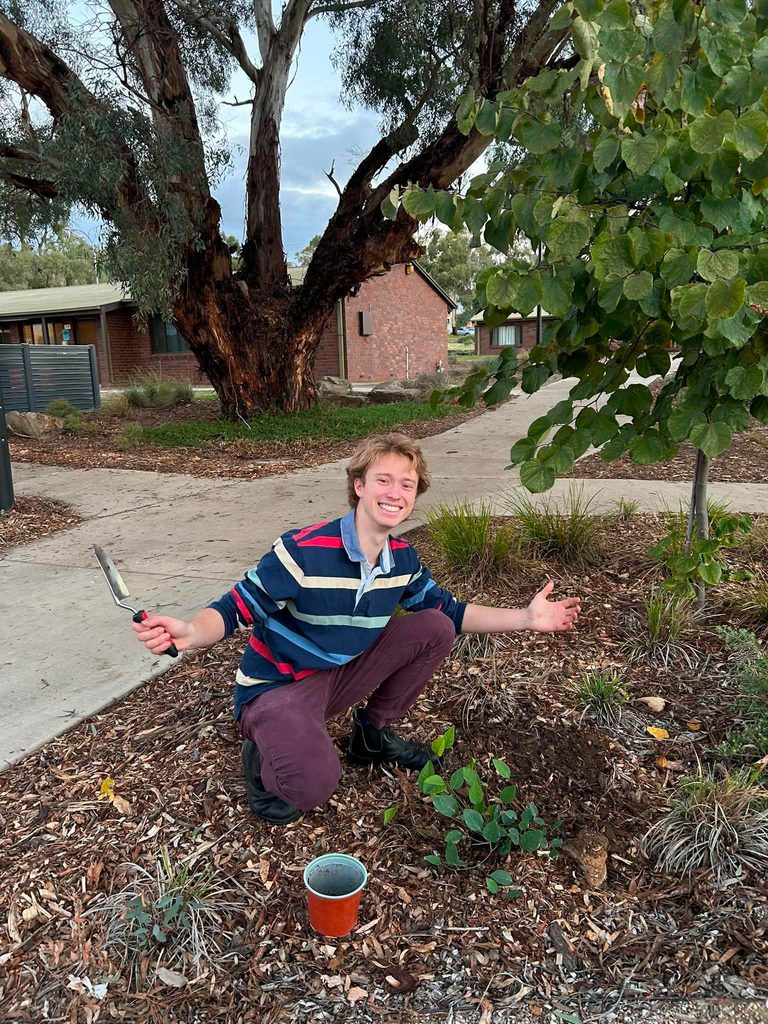
Every year during move-out, the skip bins come out and slowly begin to overflow with unused food, clothes, appliances, bedding, toiletries, etc. These items create large amounts of waste that go straight into landfill, even though many are perfectly suitable for donation. While Charles Sturt Sustainability and ResLife understand these problems and have put in safeguards, these only work if students choose to use them.
First things first, when planning your move-out, the very first question should be, “Can I fit it in my car?” If you earnestly believe that everything you own can’t go home with you, you need to begin planning how you’ll sustainably get rid of some items or find an alternative method of transporting some items home. For example, you could post some items or share space in a friend’s car.

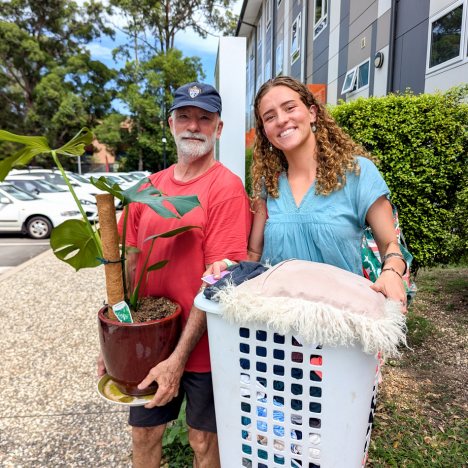
When packing up for the year, it’s important to try to pack using what you already own. For example, before going out to Bunnings for cardboard boxes, bubble wrap and tape, try to use up all the suitcases, backpacks, laundry baskets and reusable bags you own. Another thing to consider is e-waste. If you are ending the year with a bunch of dead batteries, broken chargers or miscellaneous cords, drop them off at an appropriate collection point rather than just putting them in general waste. On the Wagga campus, we have some of these collection bins down at The Deck.
One of the biggest waste issues on campus is food waste. Perishable food can’t be donated, meaning students may have to throw away whatever they cannot use before the end of their lease. To remedy this, before moving out, check fridges and cupboards to take inventory and use what you find to plan your meal prep with whatever you have left. If you have frozen vegetables, hash browns, bread or meats in the freezer, start thinking about what you can do with them. The same goes for cupboards. If you have canned goods, pasta, rice or sauces that are already open and can’t be donated, begin to plan what dishes you can use these ingredients in before you go home instead of just throwing them away.

Another great idea for food is to organise or ask your RL to organise a final ‘clean-out-the-fridge’ potluck-style meal. This way you have an excuse to use up all the ingredients taking up space in the back of your fridge that you wouldn’t have otherwise incorporated into your meals. Additionally, it doubles as a final goodbye for you and your block mates and is a good way to send off the year!
When it comes to appliances, utensils and other kitchenware, students often find that they have accumulated more bulky items throughout the year than they are willing to take home. The best way to get rid of these is to ask your friends and neighbours. As long as your cookware is clean and unbroken, there is probably someone a couple of doors down who’d be willing to take it off your hands.
The most important thing you can do in the interest of sustainability is to hold on to items you are going to use again next year. Store bulky items you can’t take with you, such as bikes, monitors and appliances, at a friend’s place. This may seem inconvenient at the time, but it is infinitely better for the environment than throwing them into landfill. Plus, it will save you money in the long run as you are likely to repurchase them when uni starts again.
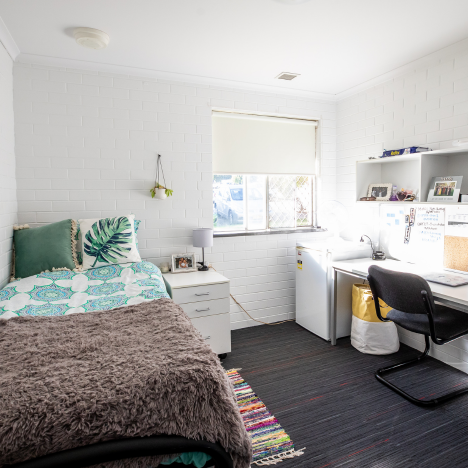
What all of these sustainable tips have in common is time. You need to begin planning your move-out well in advance of the morning you plan to leave to avoid throwing away items that could have been reused in a panic. While it can seem impossible to focus on making this plan while exams are barrelling towards you, if you begin to think about these different types of items one at a time, it will be a lot less overwhelming. Additionally, you’ll be reducing landfill waste and greenhouse gas emissions while saving yourself time and money on transport, replacements and storage when you move out.
So, starting now, assess how much space you have in your car, go through the freezer, ask friends if they want your things and sort through the non-perishable items you’d like to donate. When the bins fill up over the next few weeks, don’t let it be with your things.
Charlie blog is a SSAF initiative.