
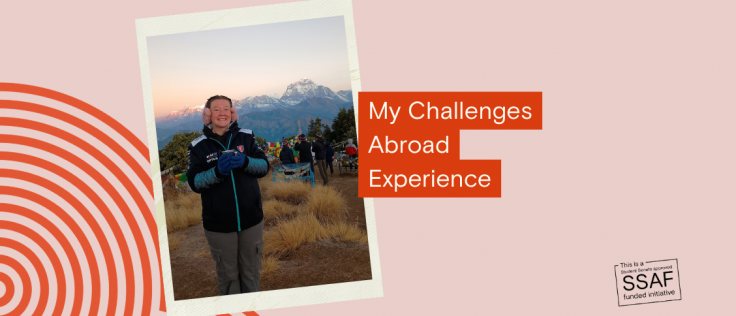
Written by Kirra-Lee Murphy
Travelling overseas was never something I imagined myself doing when I first started studying Exercise and Sports Science at Charles Sturt University. International experiences always seemed like opportunities that were meant for other people, not someone like me. That changed the moment I came across the Nepal Sports Leadership Challenge on Brightspace. There was something about the program that immediately caught my attention. It combined two things I was passionate about: sport and making a difference in communities.
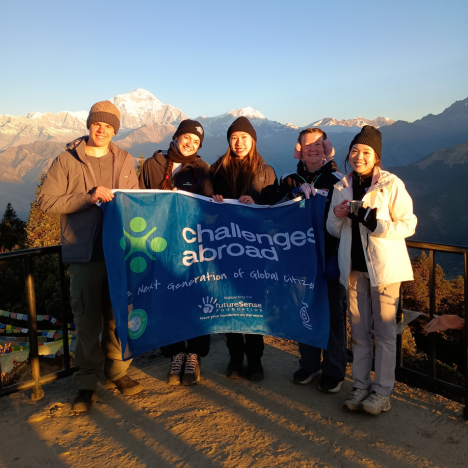
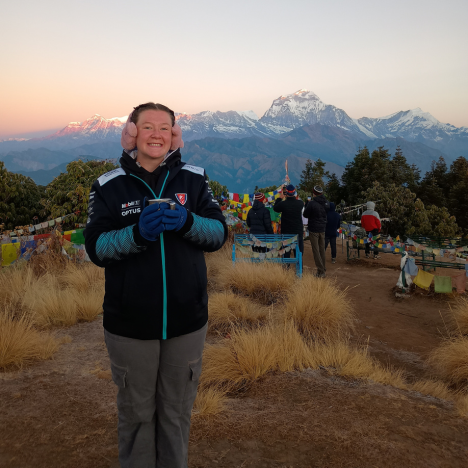
In November 2025, I travelled to Kathmandu, Nepal, with Challenges Abroad and the FutureSense Foundation to take part in a two-week Sports Leadership Challenge. The experience pushed me well outside my comfort zone while giving me the opportunity to apply everything I had been learning in the classroom to a real-world setting.
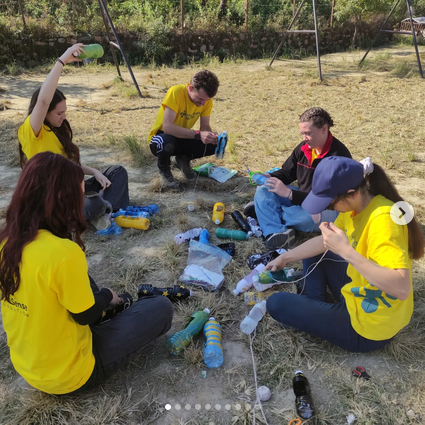
Each day, our team worked alongside local schools and community groups to deliver sport and physical activity sessions for children and young people. While we arrived with ideas and lesson plans, it quickly became clear that coaching in Nepal required flexibility, creativity, and teamwork. We often adapted activities to suit the facilities, equipment, and the needs of the participants. Our sessions aimed to build confidence, encourage teamwork, and create an environment where every child felt included.
One of the biggest lessons I took away from the experience was that effective leadership is not about having all the answers. It is about listening, adapting, and building genuine connections with the people around you. Despite language barriers and cultural differences, sport became a universal language that allowed us to communicate, laugh, and learn from one another.
The challenge also changed the way I view coaching. As Exercise and Sports Science students, we often learn about evidence-based practice, program design, and performance improvement. In Nepal, I discovered that the most important part of coaching is the ability to connect with people. The smiles, enthusiasm, and willingness of the children to participate reminded me that the impact of sport extends far beyond physical health. It can create confidence, friendships, and opportunities that last long after the session has finished.
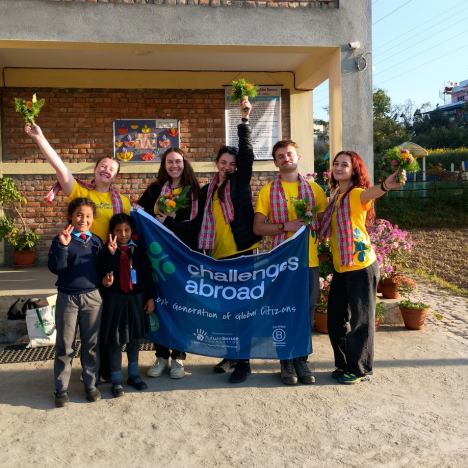
Personally, the program helped me grow in ways I never expected. Living and working in a completely different culture challenged me to become more independent, resilient, and open-minded. It gave me greater confidence in my ability to communicate with diverse groups of people and reinforced my passion for using sport as a tool for positive social change.
Looking back, applying for the Nepal Sports Leadership Challenge was one of the best decisions I have made during my university journey. It not only strengthened my practical coaching and leadership skills but also reminded me why I chose to study Exercise and Sports Science in the first place. The experience has inspired me to continue working in community sport and to create opportunities for people, regardless of where they live or what resources they have.
The experience had such a profound impact on me that I have decided to take on another Sports Leadership Challenge, this time in Peru. In November 2026, I’ll return with Challenges Abroad to work alongside local communities and deliver sport-based programs that empower children and young people through physical activity.
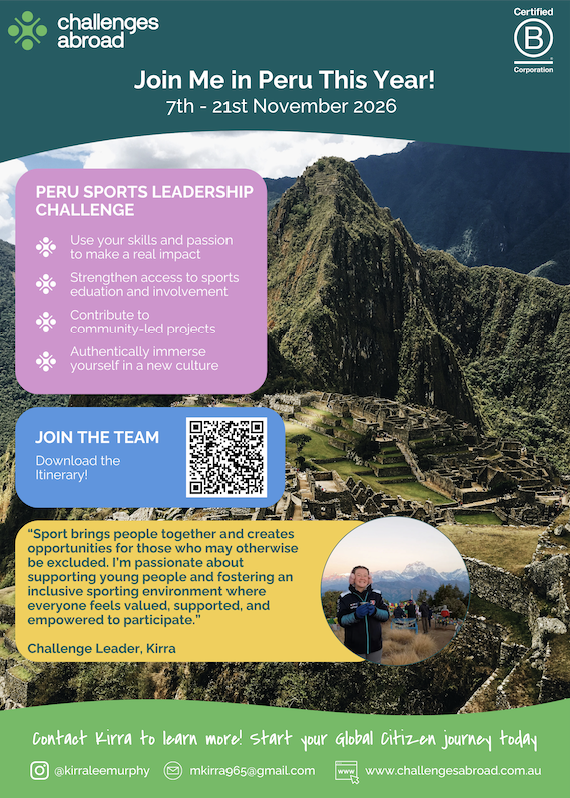
If you’re a student with a passion for sport, leadership, and making a difference, I’d love for you to join me on this incredible journey. It’s an opportunity to step outside your comfort zone, develop lifelong skills, experience a new culture, and use sport to create a meaningful impact. You never know where one application might lead. It certainly changed my life, and I’m excited to see where Peru takes me next.
Charlie blog is a SSAF initiative.