

Written by Olivia Baker
No matter how organised one can be, the task of adulting can be exceptionally overwhelming, especially come the joyous End of Financial Year interlude.
I entered the workforce many years ago and have become well equipped and prepared to lodge my tax return with utmost seamlessness every year.
Rest assured, the relaxed approach has taken me an exceptionally long time to master, involving a lot of understanding in theory and real time tax lodgements, to succumb to being at peace with the ins and outs of a tax return process.
Based on my own personal years of experience, I am thrilled to share the below Q&A with you, to help you also succumb to being at peace with the stigmatised tax return process by way of embracing the much-anticipated tax refund to be able to treat yourself!

What is a tax return?
A tax return is a lodgement form on an individual person presents an account of income and appropriate deductible purchases relevant to their line of employment, used by the Australian Taxation Office to determine their liability for a tax refund or tax debt.
When do I need to submit my tax return?
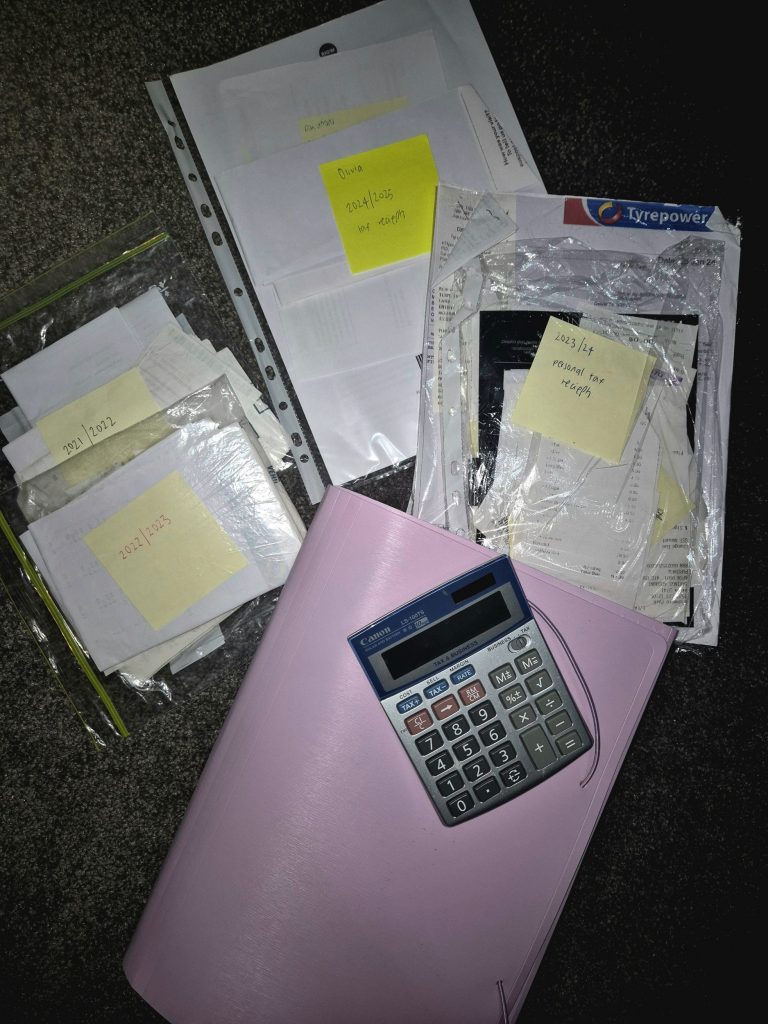
Australians are required to submit tax returns for the relevant financial year, commencing on 1 July and ending 30 June. Tax return lodgements are encouraged to be submitted by 31 October. I strongly recommend that at the beginning of each financial year following you keep a detailed list of transactions made throughout the year to calculate your deductions with utmost ease when submitting your tax return.
How do I complete my tax return lodgement submission?
You can lodge a tax return yourself, online via the MyGov (Australian Taxation Office) portal, or pay a fee to an accountant to complete the lodgement for you. Follow this link for more info.
Why can people receive a tax refund or a tax debt?
In simple terms, if you pay more tax than you owe in income tax, you will most likely receive a refund because you have paid more tax than you should have. If you pay less tax than you owe, you will most likely incur a tax debt to balance out the taxable income you have been paid for the relevant financial year.
What happens if I incur a tax debt, and I can’t pay the balance in full?
In the event that you incur a tax debt, do not be alarmed, as we are humans, and life can venture outside our control sometimes. The Australian Taxation Office offers a payment plan service, which allows you to break down your tax debt into smaller amounts that are made via instalments and are spread over the shortest possible fixed period of time across, weekly, fortnightly or monthly increments, until the account is settled.

As a further suggestion, I strongly recommend that you seek assistance from the Tax Help volunteer program, offered by the Australian Taxation Office. The service is a free and confidential to allow you an extra layer of reassurance for any questions that you may encounter when needing to submit your tax return. Follow this link for more info.
I hope you have resonated with the Q&A resources listed above and upon the 2025/2026 financial year commencing, you will be a pro when it comes to lodging your own tax return!
Charlie blog is a SSAF funded initiative.