
Written by Brooke Heather
Supervised assessments – we’ve all heard of them (right…?) but have we all done them? Although I’m no expert, I have completed my fair share. Once you reach your second year of study, you’ll usually start to see them appear. A supervised assessment can range from oral presentations and vivas to work-integrated learning observations and more. They may seem daunting at first, but I promise they get easier over time!
Let me take you on a journey of all the online learning wisdom I’ve accumulated over my years.
Firstly, what to expect:
Supervised assessments vary in how they are presented for each subject. For example, I’ve found that I have fewer supervised assessments in Psychology than in HR Management. Why is this? Each subject has carefully curated assessments based on what best aligns with the learning outcomes. It’s a good idea to look at exactly what your assessment requires. As a general guide, I would recommend this link to help you understand the expectations of the task. Remember that it’s all part of getting your degree.
How to prepare:
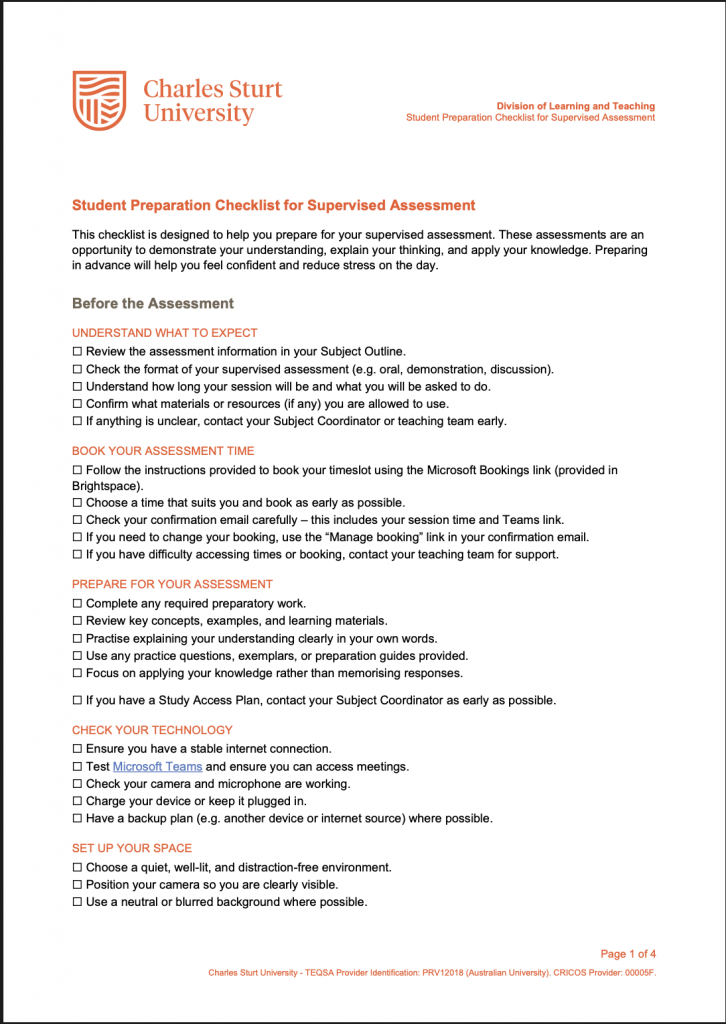
Honestly, preparing for supervised assessments is kind of fun. I would start off with this brilliant checklist the university has prepared, then move on to my points below:
- Role play where possible: For supervised assessments where you are presenting or playing a role, I recommend getting comfortable around the topic. If you can, have people ask questions about your topic while role-playing as a ‘character’. It can help immensely in building your confidence around speaking naturally.
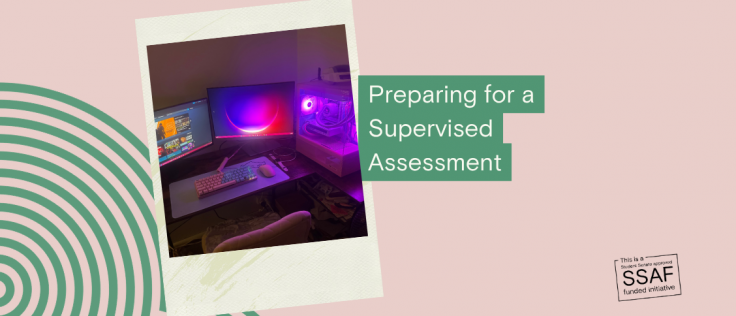
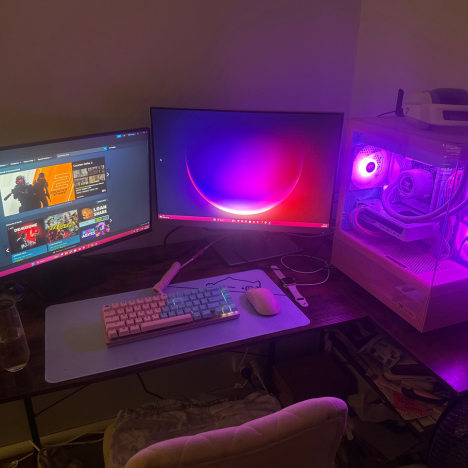
- Technical details: Always check and do a mock run of your set-up. For me, I use a desktop and a webcam/mic. I find it takes some of the stress out of the process, but you need to find a set-up that works well for you. Test your microphone and camera, and choose a background (when permitted) so that you’re completely ready to go.
- Understanding what’s asked: Just as you would for any written assignment, make sure that you read the presentation requirements of your assignment outline. Check carefully to see if there are note restrictions, identification requirements, or any other noteworthy details.
- Accept support: The university offers embedded tutors for many assessments, academic skills workshops, discussions with your subject coordinator, and much more.
Why supervised assessments are important:
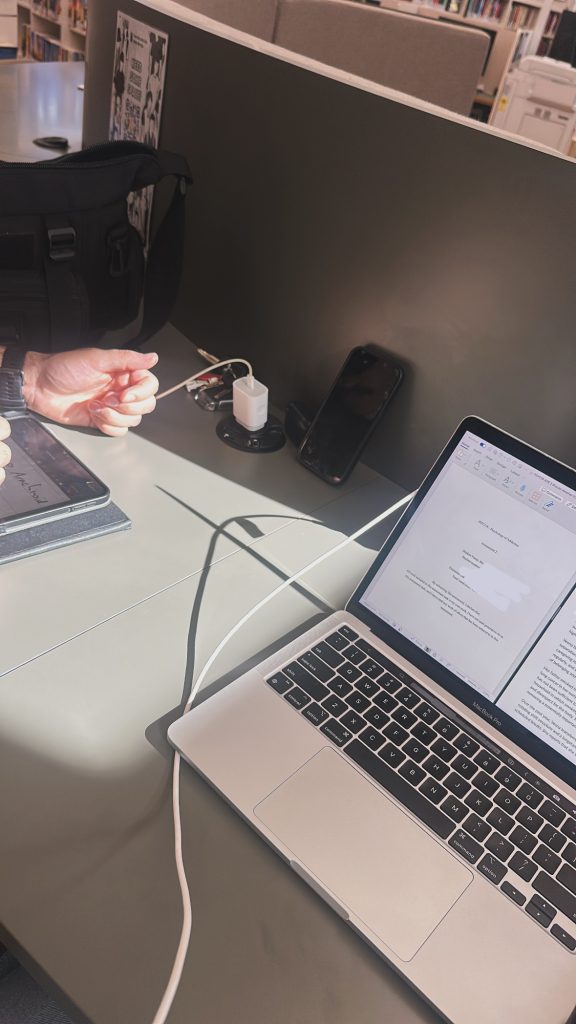
Even though they may occasionally be negatively stigmatised, supervised assessments are critical to showing how students can apply their knowledge in a practical setting (they’re a way for you and your university to be confident that your qualification genuinely reflects what you know and can do). They also assist in preparing students for future professions. For example:
- Vivas allow students to practise their communication skills, while developing their ability to improvise.
- Presentations demonstrate knowledge and understanding. These skills are useful in many workplaces.
You can keep reading about these here.
This is your chance to ace your next supervised assessment. If you go in prepared and confident, you’ll feel more accomplished in your learning and be able to experience the benefits. Good luck on your next supervised assessment!
What to do if you’re worried about access or accessibility?
If you have concerns about completing a supervised assessment due to your circumstances, reach out to your subject coordinator. Alternatives and support are available.
Charlie blog is a SSAF initiative.