
Written by Heidi Kingston.
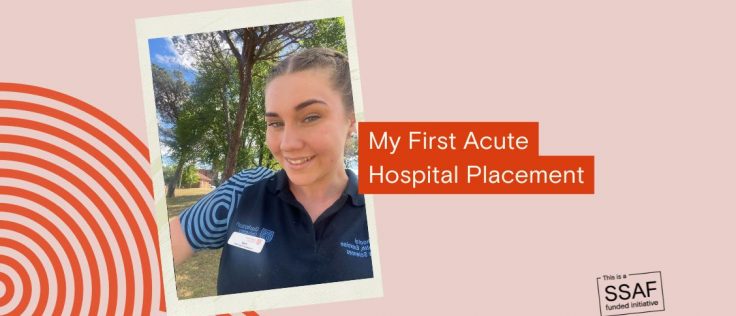
Walking into my hospital placement for the first time was overwhelming, overstimulating, and honestly a little confronting. Being the only Occupational Therapy (OT) student at Bathurst Hospital, I started out feeling nervous and strangely isolated. With my supervisor away on Monday, my first day felt chaotic and unstructured, accentuating my uncertainty.
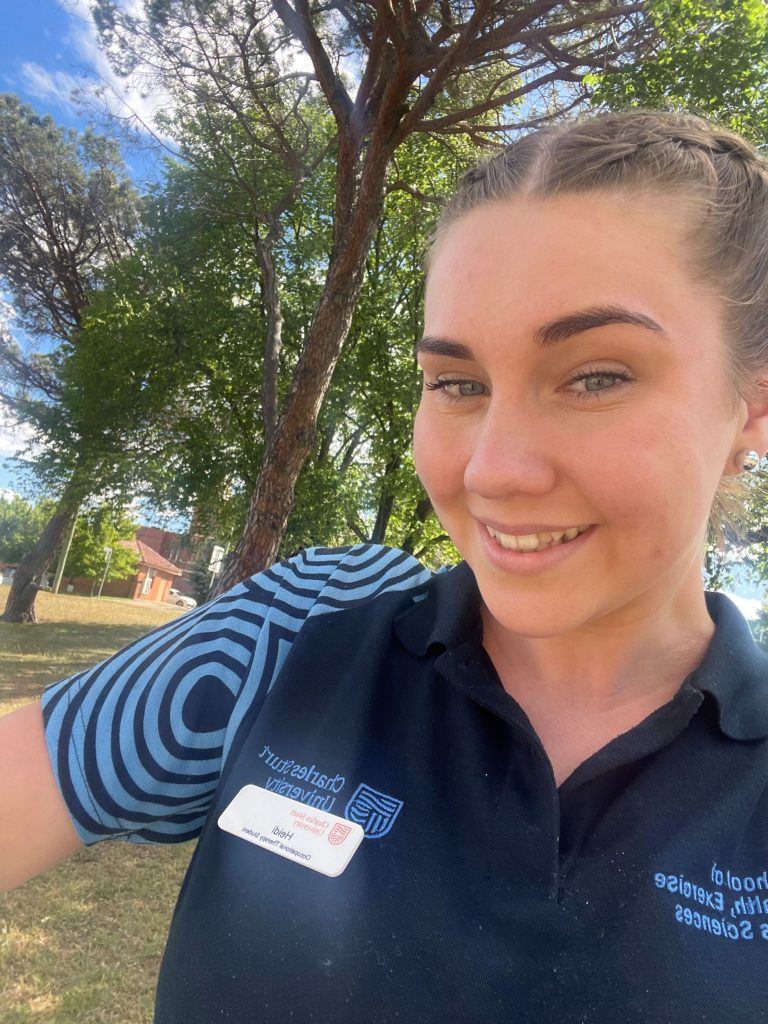
But in hindsight, that unstructured start became a blessing. After overcoming those initial nerves, I spent the day with four different OTs across the surgical ward, rehab, fracture clinic, and even joined a home visit. By the end of the day, I felt both exhausted and unexpectedly excited—I had gone from feeling lost to eager to return the next morning.
Day two felt much smoother. I finally met my supervisor, Amy, and got a clear sense of what a day in acute care looks like. We started each morning by printing the medical ward’s patient list. This list shaped our day. We highlighted those referred to OT, then read through the electronic medical record. This system is the backbone of the hospital; it is where every professional interaction is recorded. Reading the notes helped us understand each patient’s story before meeting them in person.
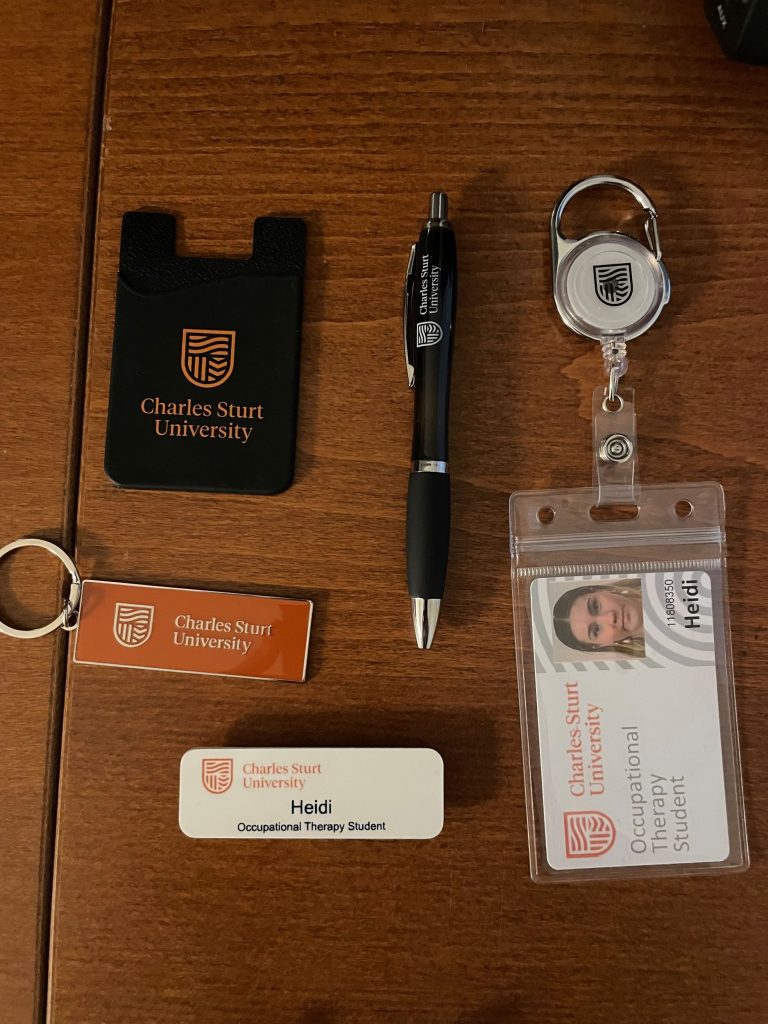
Once we knew who we needed to see, we planned the order of our sessions, what assessments or equipment might be required, and the goals for each consultation.
In the medical ward, the main event each morning was the 10:30am multidisciplinary team (MDT) meeting. This brought together OTs, physios, speech pathologists, social workers, the aged-care placement nurse, doctors, and more. I loved being part of these discussions. Watching so many professionals collaborate and, within minutes, form clear plans for each patient’s day, week, and discharge was incredible. Seeing that level of teamwork in action quickly became one of the highlights of my placement.
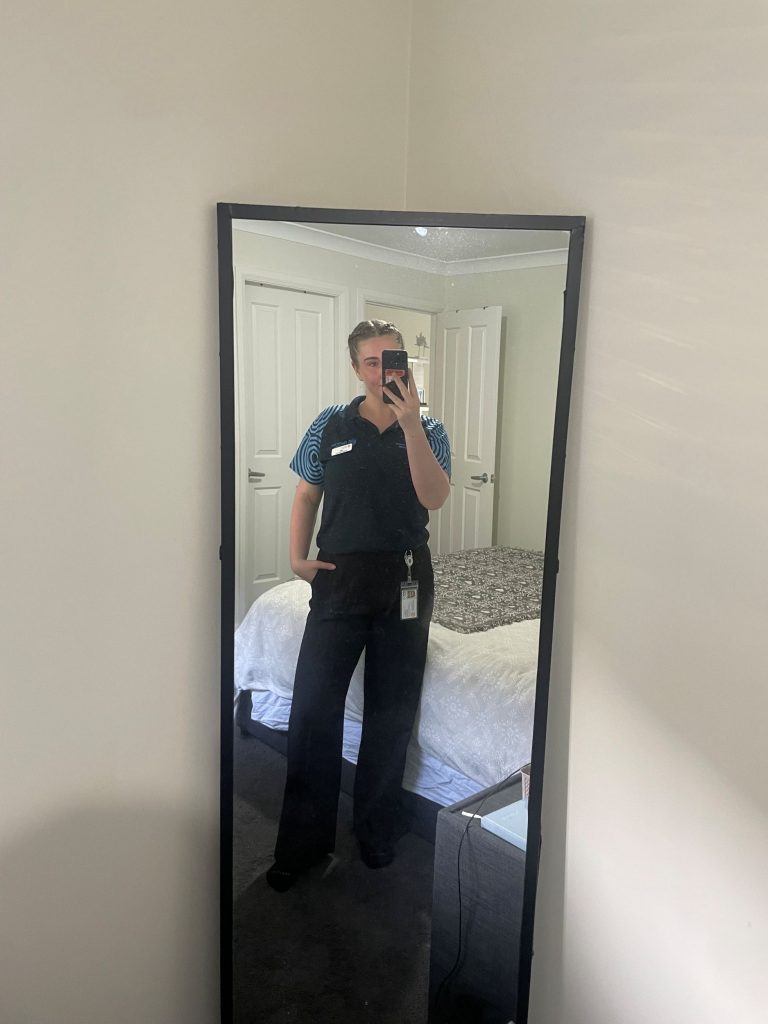
A defining moment of my placement was working with my first stroke patient, a 70-year-old woman who had experienced a stroke in the left basal ganglia. She presented with 0/5 upper limb mobility and 1/5 lower limb mobility and had a history of CADASIL, a rare hereditary condition affecting small blood vessels in the brain. I met her in the emergency department on the very day of her stroke—Tuesday of my first week—and from that moment, I worked with her daily, first on the medical ward and later on the rehab ward.
By the end of my first week, I was helping run her therapy sessions under supervision. By the second week, Amy trusted me to work with her independently, including leading sessions that used e-stim for muscle activation. Watching her gradual but meaningful improvements over those two weeks was incredibly rewarding. Being part of her journey—especially so early in my career—reminded me exactly why I chose occupational therapy.
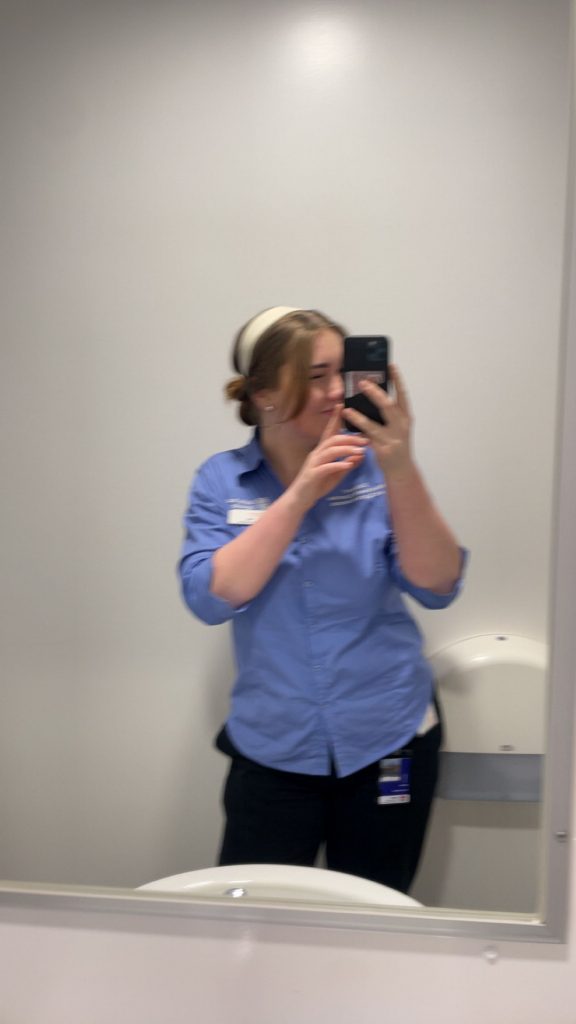
The OT department truly felt like one big family. Even as the only student, I felt welcomed, supported, and encouraged every step of the way. On my last day, I went to tell the head of department how challenging, eye-opening, and deeply fulfilling my experience has been, and that I will be leaving feeling very grateful to have been part of such a wonderful team. At that moment, she offered me a casual job as an OT assistant for the summer holidays!!! This was such an incredible opportunity to be working in the industry as a first-year student, so of course, I accepted the offer.
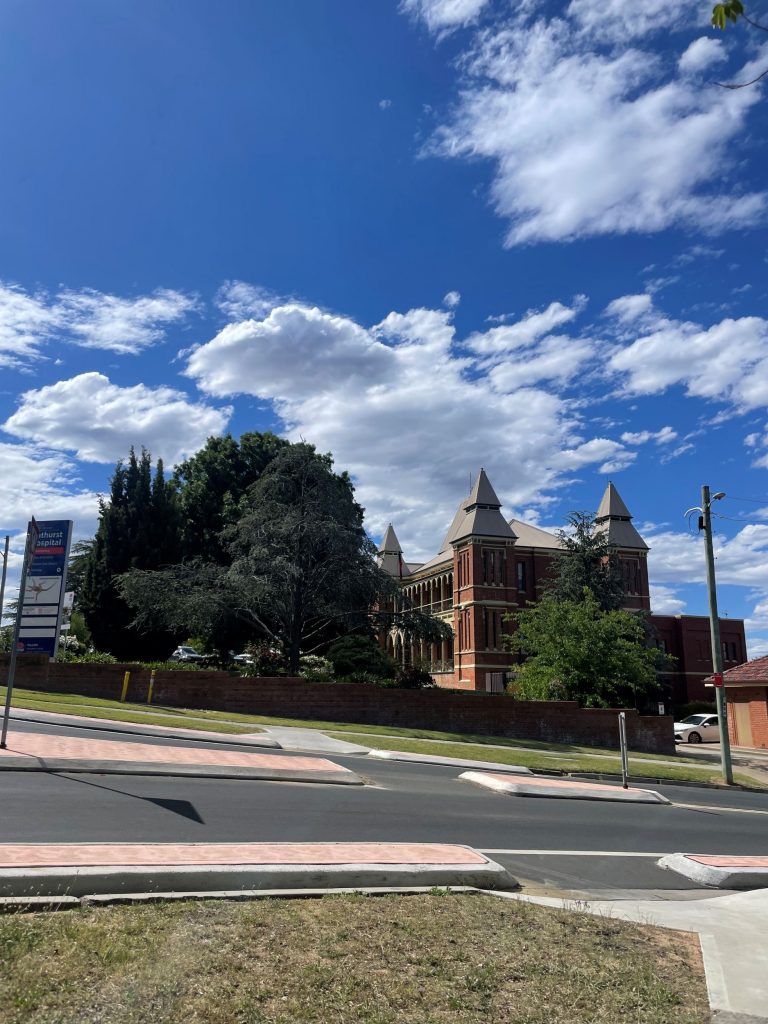
See you again soon Bathurst Hospital!
Charlie blog is a SSAF funded initiative.