
Written by Luke Gibson
We’ve all seen the article headlines that say something like “84 year old woman receives law degree”, or “79 year old graduates with a degree in philosophy”. We all collectively embrace these feelgood stories and send maximum respect their way. How did they have the patience to persist with multiple years of study? In later life, would it be more difficult not just to continue with the study, but how would the brain cope at an advanced age?
If you pull the equation apart, it’s more than likely the study has kept these people in later life’s brains more active than they would have been otherwise, and given them a renewed sense of purpose in a life after retirement from the workforce. This perhaps was one of the answers I gave myself when facing moments of doubt in the leap to applying for university and throughout my first year of study.
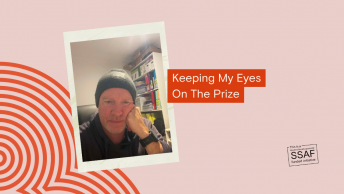
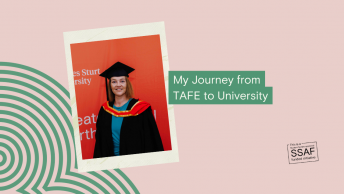
Not long after beginning a Bachelor of Social Science (Psychology) at Charles Sturt University in March 2025, I turned 53. The pathway I aim to follow is to ultimately become a Clinical Psychologist, with a specialty in the area of Sports Psychology. The reality is, I’ll likely be at least 60 years of age before I graduate. When viewed in the cold hard light of day, I was faced with the ultimate question: “what’s the point?”
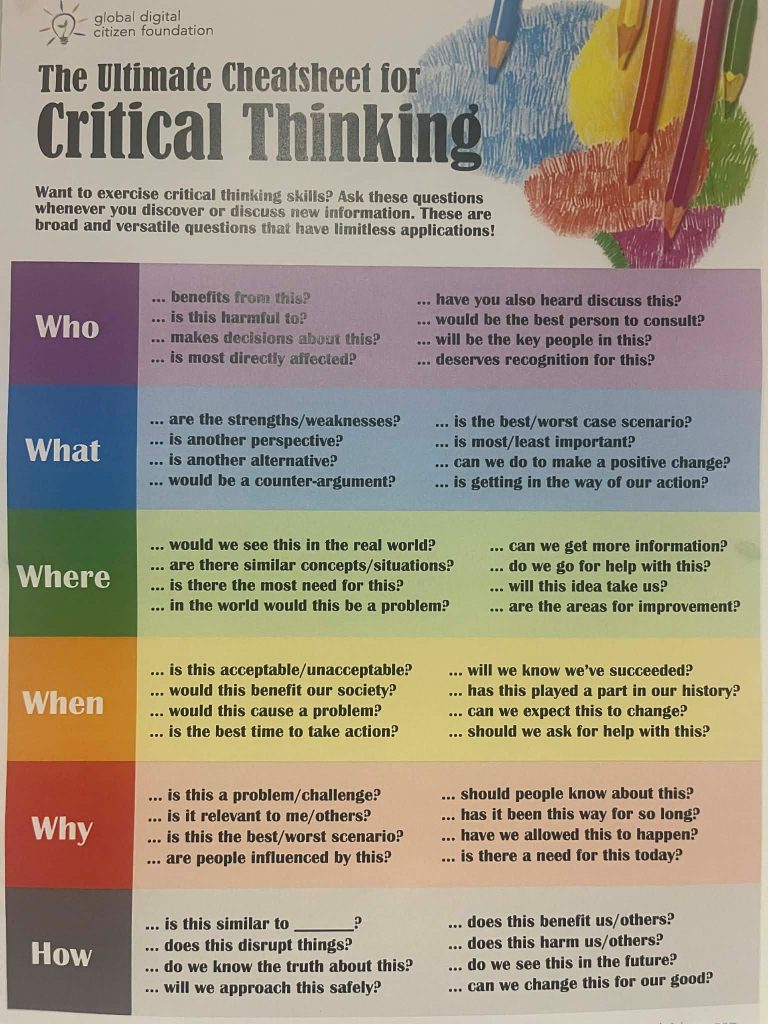
The point for me was about longevity. I wasn’t studying to become a bricklayer, a grave digger or even a traffic controller, where eventually my body would give up on me, maybe even before the commonly known retirement age of 65. By studying psychology, a big part of me embraced the fact that I could be practicing this profession for even a couple of decades beyond retirement age.
But my interest in psychology did not only stem from using my brain; a lot of the appeal for me was in understanding how people operated, and how their brains worked. A third factor involved the desire to, for the first time in my life, have a career as a professional stemming from a University qualification.
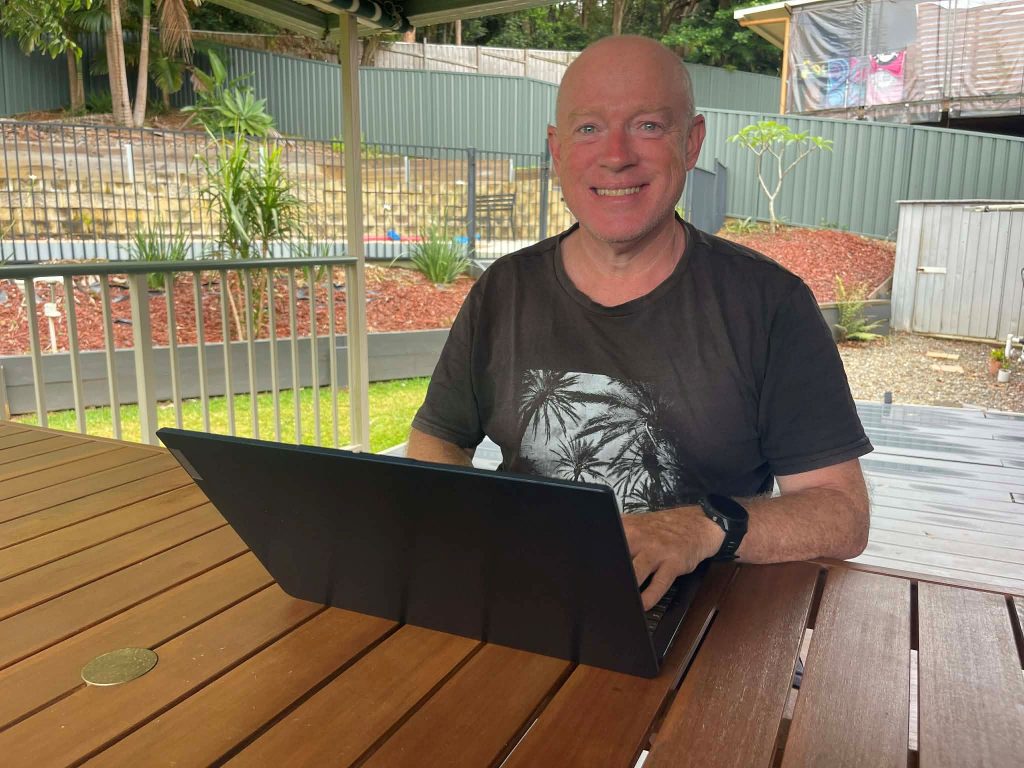
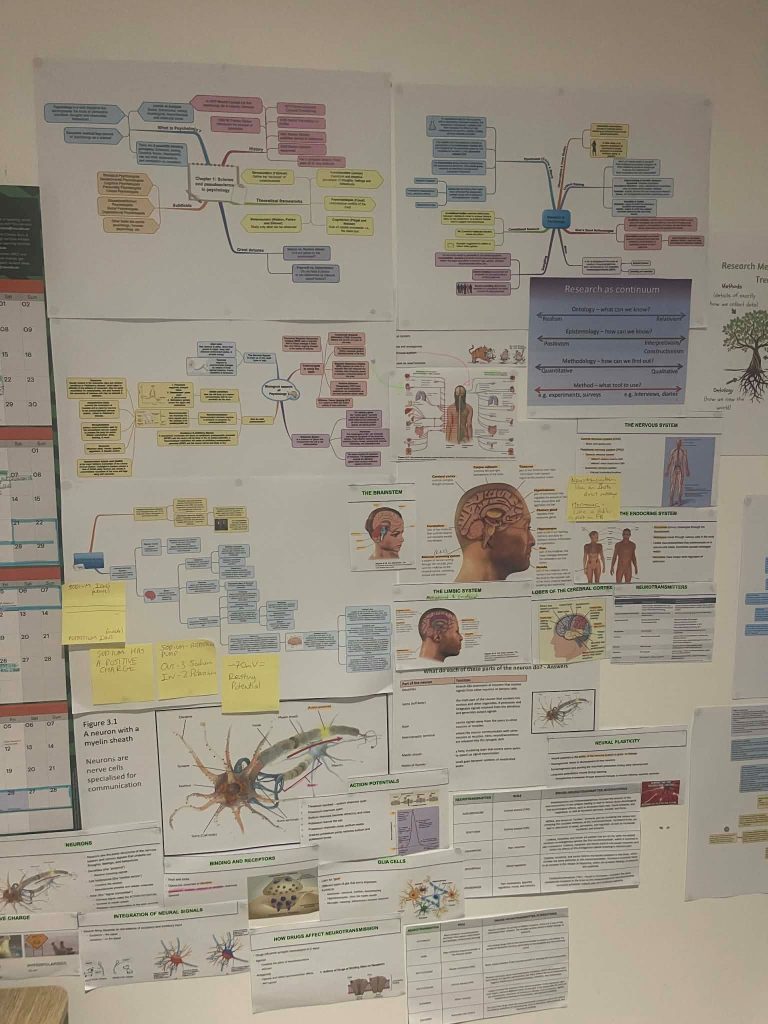
Bearing all that in mind, I quite often had to dip into ensuring I looked at the big picture throughout 2025. Multiple times I questioned the reason why I was doing this course, as doubts frequently crept in around my ability to not only get through the workload, but just to merely understand the content. Print outs from course content littered my office walls. I had to learn how to write a very different way to what I was used to. And having to write the very specific reference list at the end of every assessment, in the APA 7 reference style was a regular source of frustration.
I persisted however, and at the end of these two 2025 semesters, I was able to complete three subjects. With prior learning credits from my Counselling Diploma last year, that means I only have to successfully complete 13 more subjects before I received this Bachelor degree, and I reach what I consider to be the halfway point to becoming a psychologist. Then the really hard work begins!
Reflecting on my first year at Charles Sturt I’ve discovered a couple of key findings: age is no barrier to education; and we are always mentally stronger than what we think we are. By keeping the big picture alive, and knowing inherently that I can do whatever I set my mind to, I achieved at what some times felt like an impossible task: finishing my first year at University.
Charlie blog is a SSAF funded initiative.