Written by Ana Elefterescu
Let me be honest. I am writing this on a computer. The irony is not lost on me.
But as a final year dentistry student who has spent five years figuring out how to actually learn (and not just stare at a screen pretending to), I’ve landed somewhere that might surprise you. The answer isn’t going fully analogue. It’s understanding how your brain actually learns and building a system around that.
Your nervous system only changes when it has a reason to. Neuroplasticity, the brain’s ability to rewire itself, requires focused attention, a degree of difficulty, and then rest. Andrew Huberman talks about this a lot on his podcast.
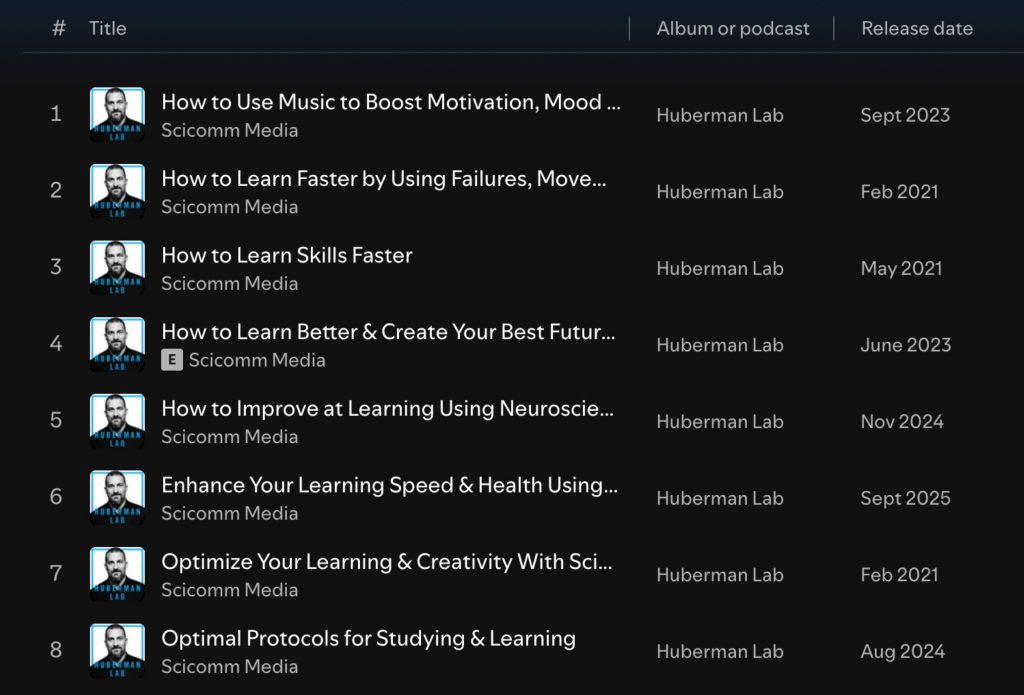
He says effort is the cornerstone of learning. That strain you feel when you’re really concentrating? That’s not a sign something is wrong. It’s your brain releasing the neuromodulators that signal your nervous system to pay attention and adapt. If your study process feels easy and automatic, that’s not efficiency. That’s your brain coasting. He makes an important distinction: familiarity is not mastery. Familiarity is when you scroll through your notes and your brain tells you “yeah I know this.” Mastery is when you can actually retrieve and use that information flexibly. Passive digital revision creates the first one. It almost never creates the second.
This is where analogue comes in. I still take notes on my laptop during lectures because it’s fast and searchable. But then I print them: paper copies, highlighters, scribbled annotations. I also record lectures on my phone and write summary notes by hand afterwards. Writing by hand is slower, and that’s the point. It forces you to compress and process what you’re hearing rather than transcribing on autopilot. The digital tools help me capture information. The analogue ones help me learn it. They’re doing different jobs.
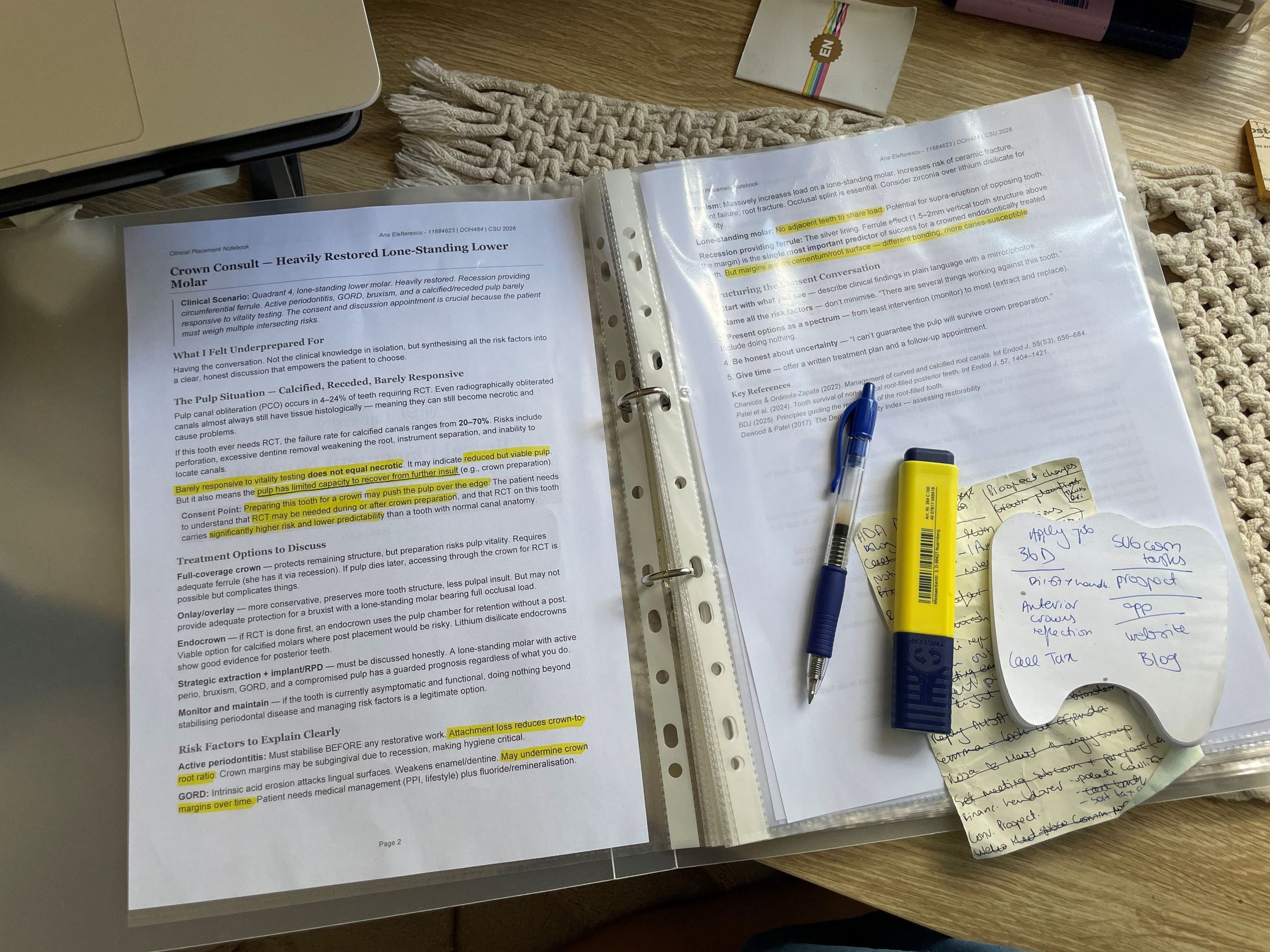
One of the biggest things I changed was testing myself. Huberman frames self testing not as an evaluation tool but as a learning tool. Short answer, minimal prompt, right after you’ve been exposed to the material. Don’t walk out of class and get on your phone, because right after a lecture is one of the best times to test yourself and offset forgetting. The errors matter too. Getting things wrong isn’t failure. It’s the mechanism that triggers your brain to change.
But none of that matters if your phone is pulling you back into the scroll every spare moment. And it will, because it’s designed to. Every app on your home screen is engineered around variable reward, the same dopamine loop that keeps people at poker machines. Telling yourself to “just stop scrolling” is about as useful as telling yourself to “just relax” during a root canal. You need to replace it with something.
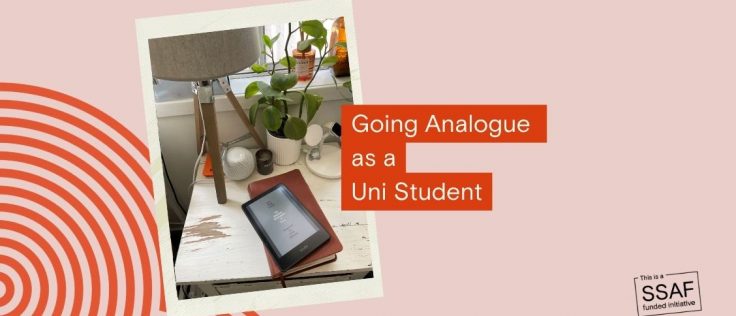
For me that meant keeping a Kindle next to my bed instead of my phone. If the book is closer than the screen, you’d be surprised how often you reach for it. I joined clubs and filled my weeks with things that actually left me enriched afterwards, not the hollow glazed over feeling of 45 minutes lost to Instagram Reels. I got into a routine where exercise and study were built around my classes every day, not squeezed in when I felt like it. Studying at consistent times trains your brain to focus during those windows. So give your nervous system a pattern worth switching on for.
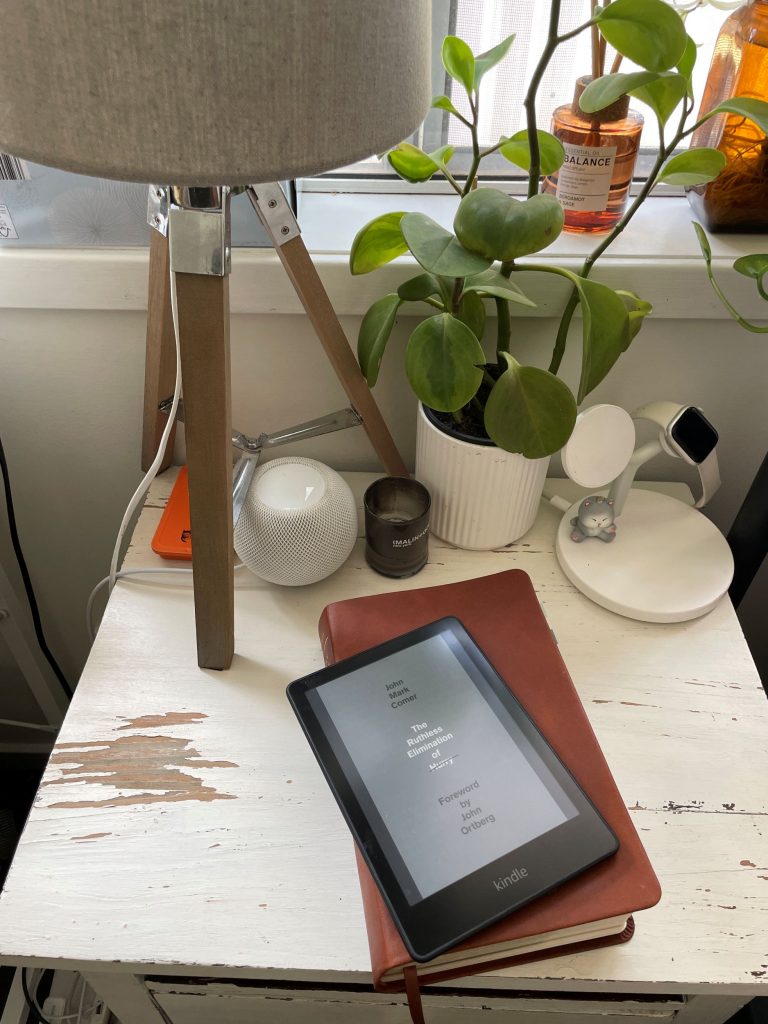
And before you go out and buy a Moleskine notebook and a set of Muji pens to kick things off, remember that you genuinely don’t need a Pinterest worthy setup. You need a simple pen, some printed notes, and the willingness to feel a little resistance sometimes. Stillness feels like the enemy but it’s actually what your brain needs to consolidate what you’ve learned. So let it happen. Put the phone in another room. Go for a walk without earphones. Sit with the quiet.
You don’t have to go full analogue. You just have to stop going full autopilot. Use both. Use them on purpose.
Charlie blog is a SSAF funded initiative.