Written by Luke Gibson
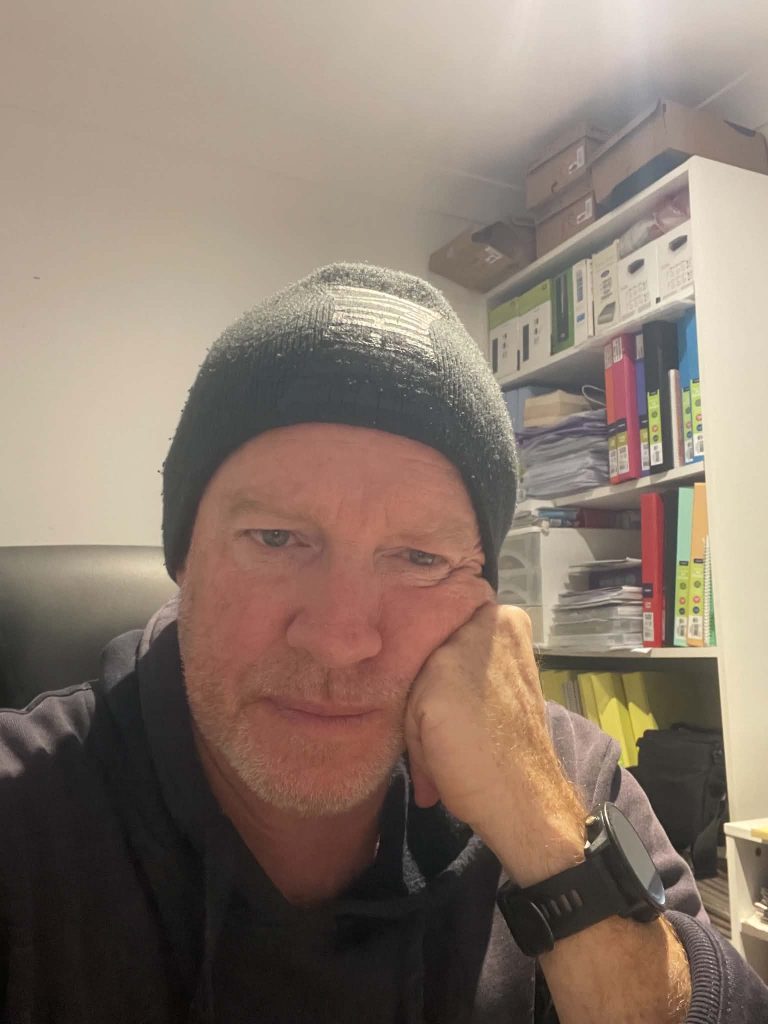
I sat in my cluttered office, the heater below my desk trying in vain to keep me warm. The fluffy, bright-orange blanket and a thick beanie reminded me we were in the coldest part of winter in 2026.
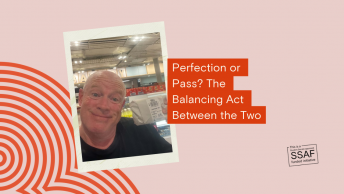
I stared at my laptop screen, trying to focus on the mark I’d received for the online quiz I’d just completed. For Assessment 1 in Foundations of Psychology 2, I’d taken the maximum time I could to complete the 40 questions.
I muttered to myself, ‘Only just a pass.’ This mark didn’t reflect the huge amount of work I’d put into the exam. This exam focused only on the first three of the twelve topics in the subject.
My eyes were burning from extreme exhaustion, and my stomach had dropped at the implications of this mark. So I did what anyone in a similar situation would do: I started a pity party by shovelling a handful of peanut M&Ms into my mouth.
Soon came the question every student has asked themselves at some point: “WHY AM I DOING THIS?” Yes, the voice inside my head was yelling at me so it warranted capital letters.
It’s a question that occurs to different people at varying times, and it’s not just about study. Other questions we ask ourselves might be: “Why am I spending time with a toxic friend?” “Why am I training for this marathon?” Or “Why have my council rates gone up so much?”
These questions we ask ourselves are as important as the answers we seek. Yet in finding the answers, we are forced into self-reflection mode, which ultimately is a healthy habit.

And so it was that, at 9.03pm on that cold Monday night, with a belly full of peanut M&Ms, I trudged upstairs to my wife, who asked, “How did you go?”
I let out a big sigh and said, “I passed.”
With her usual positive enthusiasm, she said, “That’s great!”
I couldn’t hide my disappointment as the effort I put in didn’t reflect my result. Yet 30 minutes later, after much conversation together, I had reframed my point of view:
- There was no possible way to change this result, so I wouldn’t spend time dwelling on it.
- I now had to focus on the final three assessments of this subject to ensure I did whatever I could to achieve the best result possible.
- I needed to investigate a different learning method in order to retain the course material much better than before.
- In my Bachelor of Social Science (Psychology), the first-year full-time equivalent subjects, plus the electives, don’t count toward my GPA, which determines whether or not I move into fourth year and beyond.
The last point is something I had to remind myself regularly. Even though a mere pass would be sufficient for all the subjects up until I started the second-year full-time equivalent, I was still striving to achieve my best.
What was the answer to the biggest question of them all: ‘Why am I doing this course?’ The answer is still the same: I want to become a sports psychologist and work in the area of maximising performance in every part of an individual’s life.
Aged 54, I know that studying right through to becoming a registered psychologist means that I’ll likely be around 60 before I’m qualified. And I knew that from the beginning. But my overwhelming desire to help people in this field always has to outweigh any speed humps, no matter how big or small I face throughout my studies.
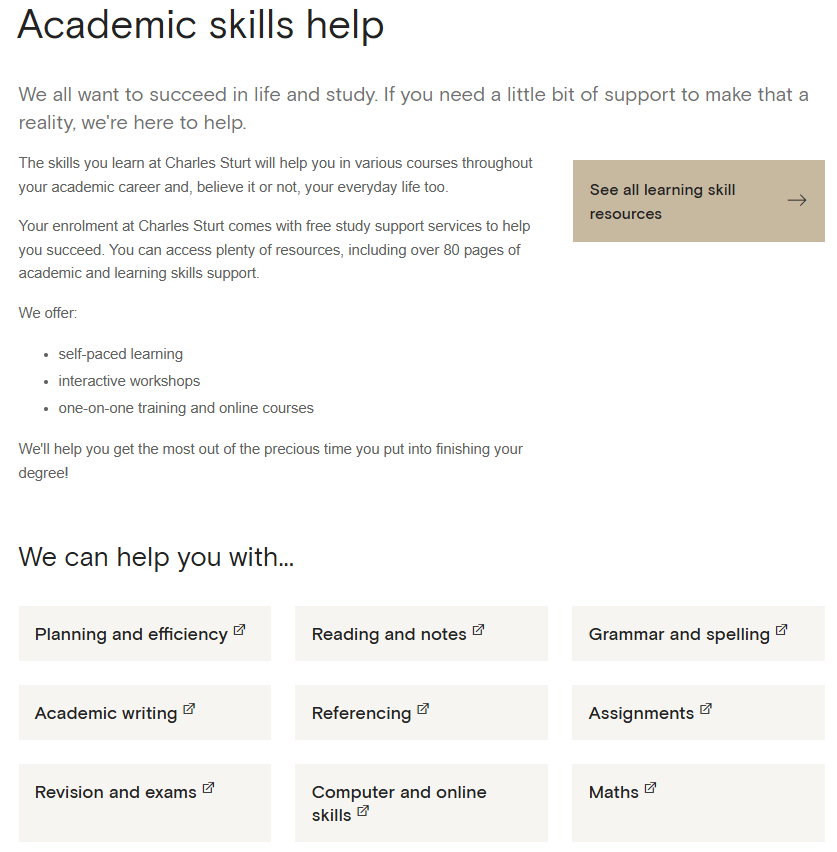
I am further exploring the many resources available through Charles Sturt’s Academic Skills area, sourcing information about other learning methods that may benefit me. I’ve also made an appointment with an Academic Skills Specialist to assist me.
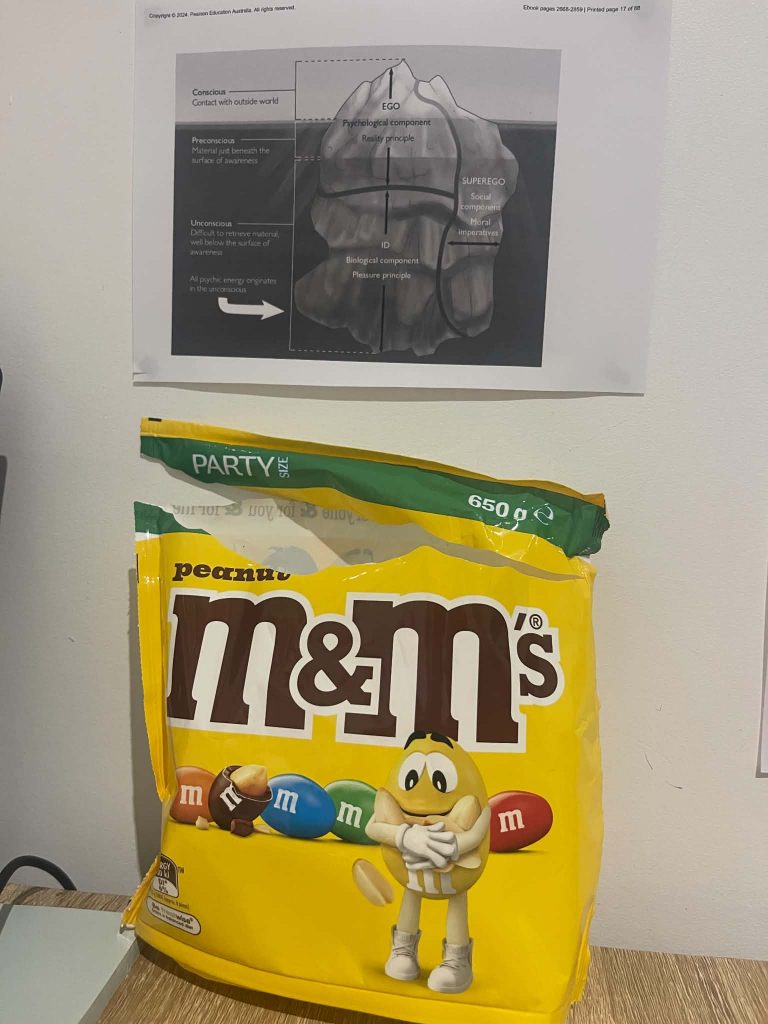
My final ‘why’ that night was to ask myself: “Why does a 650g party pack of peanut M&Ms cost a whopping $13 these days?”
How often do you have to ask yourself WHY?
Charlie blog is a SSAF initiative.