
Written by Remi Bampton
I remember in my first occupational therapy class; our lecturer told us that coming up with a definition for occupational therapy can be quite difficult and depends on the setting, but we will spend our careers trying to explain it.
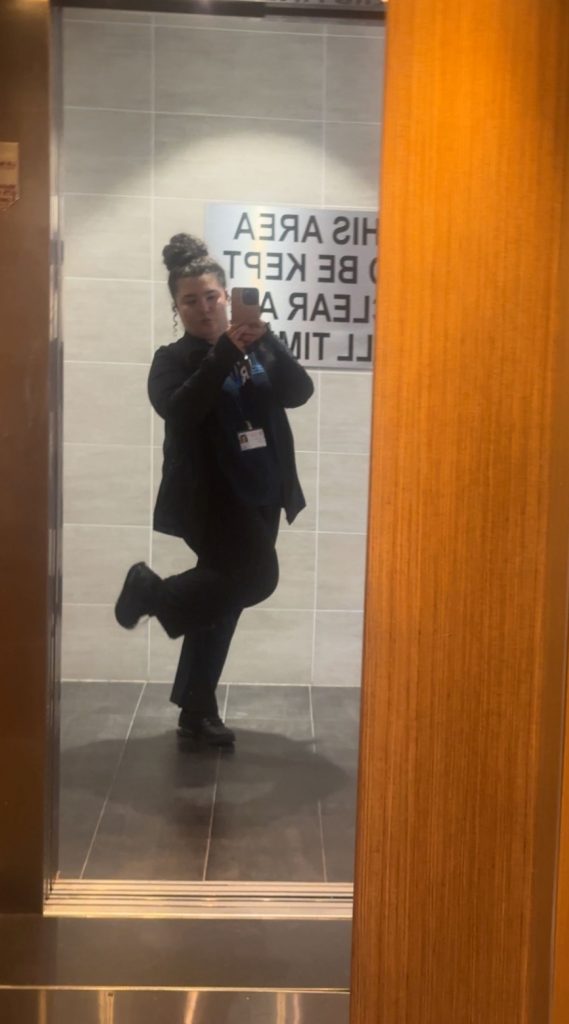
But as I start my last year of this degree, I want to share with you what occupational therapy is and some ideas of where it can take you.
Occupations are the things you do in your everyday life, from basic human necessity like toileting, showering and dressing to the things you enjoy such as your leisure activities and other things you like to do.
Hence, if you are unable to complete these activities because of medical events, disabilities or really any other reason, occupational therapists have scope to work with you to improve your participation and safety in the activities that you want to do.
So where can you work as an occupational therapist?
As occupational therapy is so broad, we can work across many settings.
We can work within the NDIS, helping those with disabilities across all ages to participate in the activities that they need to do or want to do. For example, we can work with children for school readiness or with adults working on meal prep or household chores.
We can work in many settings across the hospital, ensuring patients are safe to go home and complete everyday activities safely. Such as, getting in and out of bed, going to the bathroom safely or being able to make a meal.
We can work in schools, helping children who may need extra attention developing skills such as social skills or motor skills.
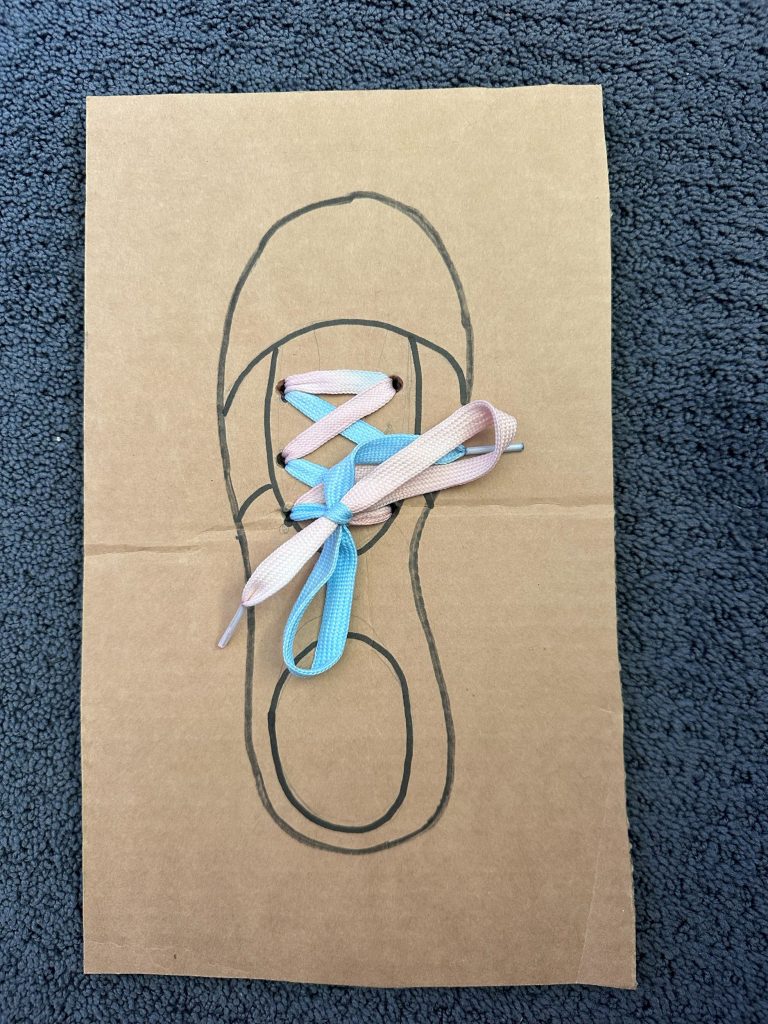
We can work in rehabilitation settings helping those who have had an injury or medical event such as a stroke, amputation or work injury to relearn how to complete everyday occupations through rehabilitation training – currently my favourite field!
We can work in mental health, supporting people with mental health conditions to improve their participation in the activities that they want to.
We can do home modifications to aid independence and safety at home.

We can do complex seating prescriptions for those in wheelchairs to correct posture, promote comfortability and reduce the risk of pressure injuries or skin irritation.
We honestly get to do so much stuff across such a broad spectrum, but can you see the common theme here?
We aim to help people do the things that they need to and want to, but they may not be able to do.
We do this through assessments to understand what kinds of adaptions, modification, practice or retraining should occur to increase participation in the activity/activities we are working towards completing.
We are a client centred profession, meaning we want to help you achieve what is meaningful to you and this is why I LOVE occupational therapy. We get to work with people and help them do what THEY want to do and what they find meaning in as well as help with the everyday tasks, promoting participation, independence and safety.
Charlie blog is a SSAF funded initiative.